Introduction
In 1997, a Swiss neuroscientist named Wolfram Schultz published a paper that would reshape how scientists think about the brain. He had been recording individual neurons in the midbrain of monkeys. What he found was deceptively simple: certain cells fired not when the animal received a reward, but when the reward was unexpected [1]. When the monkey learned to predict the juice, the firing shifted to the moment it saw the signal. And when the juice failed to arrive? The cells went quiet. Below baseline. As if the brain were saying: something went wrong here.
That discovery cracked open one of the deepest questions in cognitive science. How does the brain decide what to remember? What to repeat? What to avoid? The answer, it turned out, runs through a molecule so misunderstood that popular culture still calls it the "pleasure chemical." It is not. Dopamine is a teaching signal. A prediction engine. A molecular calculator that tells the rest of the brain whether reality matched expectation, and by how much.
The relationship between dopamine and learning touches everything from how infants acquire language to why addiction hijacks decision-making, from why curiosity makes you remember better to why spaced repetition works at the molecular level. This article traces that relationship, from the first recordings of dopamine neurons to experiments published in 2026 that are still rewriting the textbooks.
A Molecule With a Reputation Problem
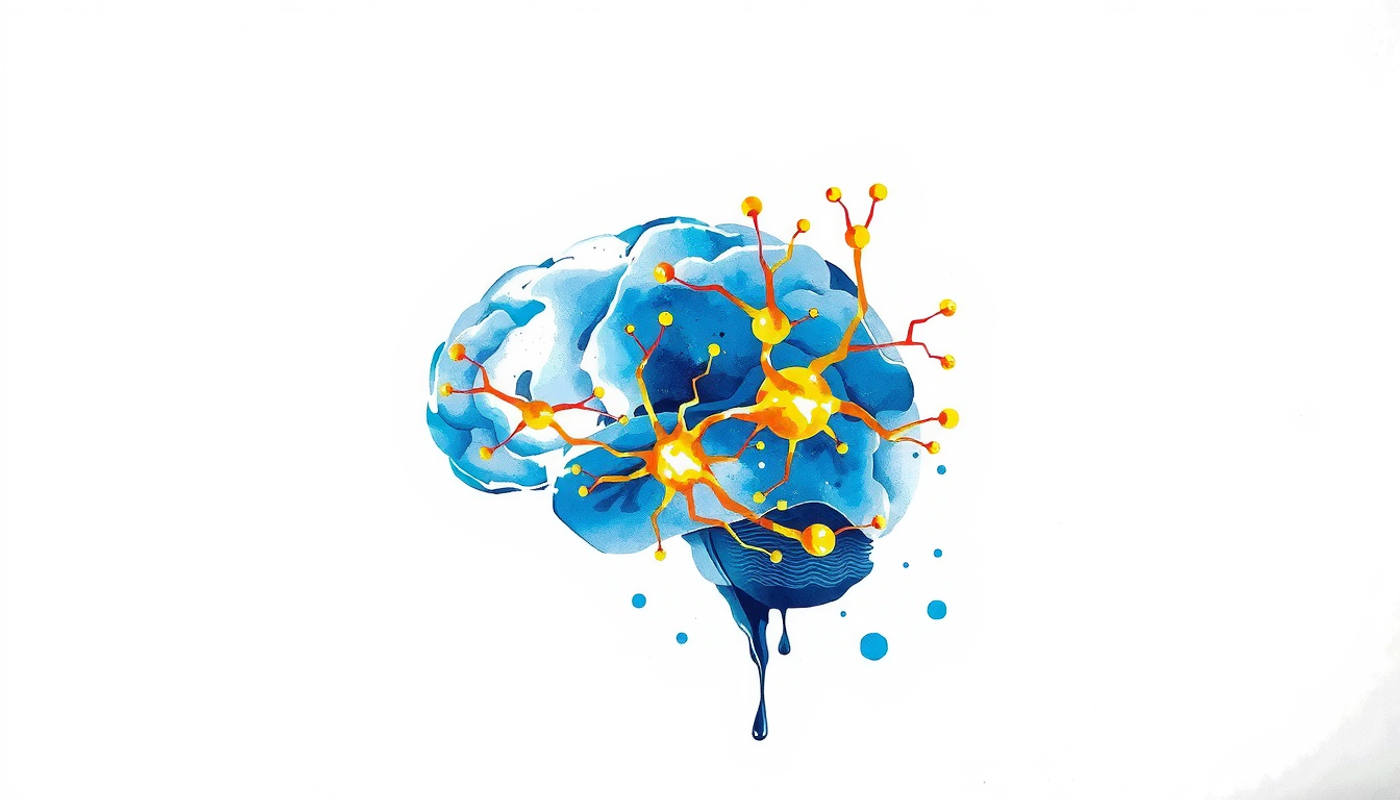
Dopamine has an image problem. Magazines call it the "feel-good chemical." Social media influencers sell "dopamine detoxes." Neither description is accurate. Dopamine is a catecholamine neurotransmitter, a small molecule with a benzene ring, two hydroxyl groups, and an ethylamine tail. Its chemical formula is C8H11NO2. It weighs about 153 daltons. And it does far more than make you feel good [2].
The story of its production starts with breakfast. The amino acid L-tyrosine, found in eggs, cheese, meat, and soy, crosses the blood-brain barrier and enters dopaminergic neurons. There, an enzyme called tyrosine hydroxylase converts it to L-DOPA. This is the rate-limiting step, the bottleneck that controls how much dopamine the brain can make. A second enzyme, aromatic L-amino acid decarboxylase, strips a carboxyl group to produce dopamine. The molecule is then loaded into tiny vesicles and stored, waiting for the right electrical signal to trigger release [3].
Where does this happen? In a remarkably small neighborhood. The human brain contains roughly 86 billion neurons. Of those, only about 400,000 to 600,000 produce dopamine. They cluster in two midbrain nuclei: the substantia nigra pars compacta (SNc) and the ventral tegmental area (VTA). From these tiny origins, dopamine fibers fan out to reach nearly every corner of the brain. The SNc projects primarily to the dorsal striatum through the nigrostriatal pathway, which governs movement and habit learning. When these neurons die, Parkinson's disease follows [4].
The VTA sends fibers along two other routes. The mesolimbic pathway reaches the nucleus accumbens, amygdala, and hippocampus. This is the circuit most involved in reward, motivation, and the kind of reinforcement learning that Schultz's monkeys demonstrated. The mesocortical pathway projects to the prefrontal cortex and supports working memory, planning, and executive function [5]. A fourth pathway, the tuberoinfundibular, connects the hypothalamus to the pituitary gland and regulates the hormone prolactin. It has little to do with learning, but its dysfunction causes clinical problems of its own.
Once released into the synapse, dopamine binds to five receptor subtypes grouped into two families. The D1-like family (D1 and D5 receptors) activates a signaling cascade that raises intracellular cyclic AMP and promotes gene expression through protein kinase A. These receptors dominate the "Go" pathway in the striatum, the one that says: do this again. The D2-like family (D2, D3, D4) does roughly the opposite, lowering cAMP and activating the "NoGo" pathway: stop, reconsider, suppress [6]. The balance between these two systems determines whether an action gets reinforced or extinguished. Every dopamine-related disorder, from Parkinson's to schizophrenia to ADHD, involves some disruption of this balance.
The Prediction Machine Inside Your Skull
Back to Schultz's monkeys. The three-part response pattern he documented is now one of the most replicated findings in neuroscience.
Pattern one: an unexpected reward triggers a burst of dopamine neuron firing. Pattern two: once the animal learns to predict the reward from a cue, the burst shifts backward in time to the cue itself, and the reward produces no response. Pattern three: if the cue appears but the expected reward does not, dopamine neurons briefly pause below their baseline firing rate [7].
This is not a pleasure signal. It is an error signal. Specifically, it matches a mathematical construct from computer science called the temporal difference prediction error. In 1997, Schultz, Peter Dayan, and Read Montague published the formal connection in Science [1]. The temporal difference algorithm had been developed by Richard Sutton and Andrew Barto at the University of Massachusetts Amherst. (Sutton received the ACM A.M. Turing Award in 2024 for this work.) The algorithm learns by computing the difference between what was expected and what actually happened. When reality exceeds expectation, the error is positive. When reality falls short, the error is negative. The error signal adjusts future predictions until they match reality.
Dopamine neurons broadcast exactly this signal. And the downstream effect is physical. In 2014, Sho Yagishita and colleagues at the University of Tokyo published a study in Science showing that dopamine release enlarges dendritic spines on striatal medium spiny neurons, but only within a narrow time window of 0.3 to 2 seconds after the glutamatergic input that encoded the initial experience [8]. Miss the window, and the spine does not grow. The synapse does not strengthen. The lesson is not learned. Dopamine is not just signaling "good." It is physically building the circuit that will predict that "good" in the future.
Subsequent work has refined the picture considerably. Mitsuko Watabe-Uchida, Neir Eshel, and Naoshige Uchida at Harvard showed in 2017 that dopamine neurons do not passively relay prediction errors computed elsewhere. They compute them internally, integrating convergent excitatory and inhibitory inputs [9]. Eshel had demonstrated in a 2015 Nature paper that the subtraction operation underlying the prediction error is implemented through local GABAergic inhibition within the VTA itself.
What does this mean in practice? Every time someone encounters something unexpectedly good (or unexpectedly bad), their midbrain runs a quick calculation. How much did reality deviate from expectation? The answer is broadcast widely, reaching the prefrontal cortex, the striatum, the hippocampus, and the amygdala. Each region uses this signal for a slightly different purpose. The striatum updates action values. The prefrontal cortex updates plans. The hippocampus updates memories. But the core message is the same: adjust your model of the world.
Not One Number, but a Whole Distribution
For two decades, the reward prediction error story seemed complete. Dopamine neurons encode a single scalar error, and the brain uses that number to update its expectations. Clean. Elegant. And, as it turned out, incomplete.
In January 2020, a team from DeepMind and Harvard published a paper in Nature that changed the conversation [10]. Will Dabney, Zeb Kurth-Nelson, Naoshige Uchida, and colleagues had noticed something in their recordings of mouse VTA neurons. Not all dopamine cells responded identically. Some were "optimistic," showing large bursts for positive surprises and small dips for negative ones. Others were "pessimistic," with large dips and small bursts. The population did not encode a single average prediction. It encoded a distribution of possible outcomes.
This was not a random observation. It matched a specific algorithm from artificial intelligence called distributional reinforcement learning, which the DeepMind team had itself developed. In distributional RL, an agent does not just learn the expected value of an action. It learns the full shape of possible rewards: the probability of getting a little, a lot, or nothing at all. The 2020 paper showed that the mouse brain does the same thing. Individual dopamine neurons are tuned to different quantiles of the reward distribution. Together, the population represents not just "how good is this?" but "what is the range of possibilities?"
A 2024 paper in Nature Neuroscience by Muller and colleagues extended this finding to the anterior cingulate cortex, suggesting that distributional value coding is not unique to dopamine neurons but may be a general principle of cortical computation [11].
Why does this matter for learning? Because a distribution contains more information than a mean. Knowing that an action usually pays off but sometimes fails catastrophically is very different from knowing the average payoff. The brain, it seems, tracks the full uncertainty, not just the central tendency. This makes its learning richer, more flexible, and more robust than the original scalar-error model predicted.
The Memory Gate: How Dopamine Decides What You Remember
If dopamine were only about reward, it would be interesting but limited. What makes it central to learning is its reach into the memory system.
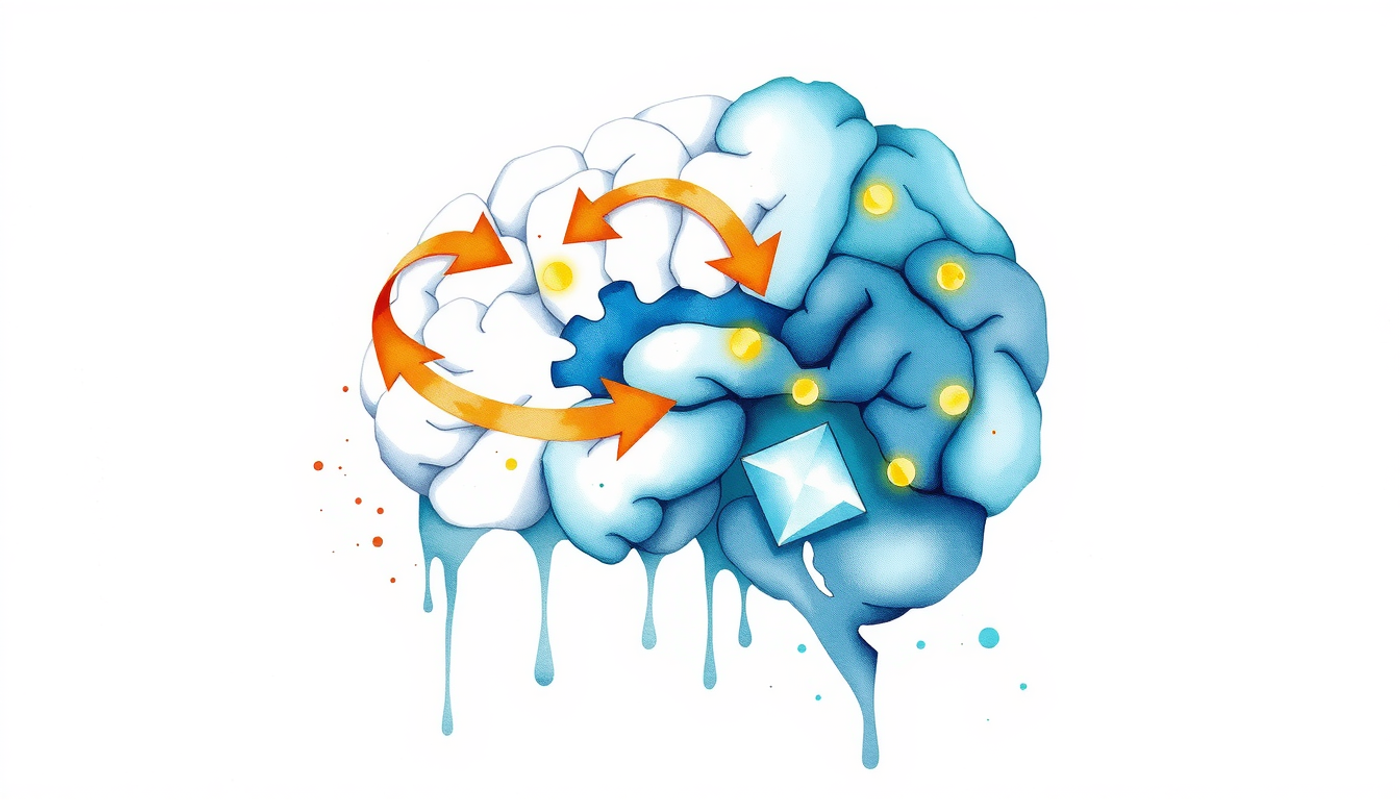
In 2005, John Lisman at Brandeis University and Anthony Grace at the University of Pittsburgh proposed a model that has since become one of the most cited in memory neuroscience: the hippocampal-VTA loop [12]. The hippocampus, that seahorse-shaped structure deep in the temporal lobe, is the brain's initial memory encoder. It compares incoming information against stored representations. When something is novel, a signal fires from the hippocampus through the subiculum to the nucleus accumbens, then to the ventral pallidum, and finally to the VTA. The VTA responds with a burst of dopamine that travels right back to the hippocampus.
What does that dopamine do when it arrives? It acts on D1/D5 receptors in the CA1 region of the hippocampus. These receptors trigger a cascade: cyclic AMP rises, protein kinase A activates, the transcription factor CREB is phosphorylated, and new proteins are synthesized. The result is that early-phase long-term potentiation, which lasts only an hour or two, converts into late-phase LTP that can persist for days, weeks, or longer [13]. In plain terms: dopamine is the gate that decides which short-term memories become long-term memories. Without the dopamine signal, the memory fades. With it, the memory sticks.
Daphna Shohamy and R. Alison Adcock reviewed the human evidence in a 2010 paper in Trends in Cognitive Sciences titled "Dopamine and adaptive memory" [14]. Their conclusion: the brain does not record everything. It records what matters. And dopamine is the chemical that marks events as mattering. Motivationally significant events recruit the SN/VTA and bias hippocampal consolidation across multiple timescales, from seconds to days. This is what they called adaptive memory: the brain preferentially stores information that is likely to be useful in the future.
Direct evidence from human neurons came in 2018. Jan Kamiński and colleagues at Cedars-Sinai Medical Center in Los Angeles used microelectrodes in patients undergoing deep brain stimulation surgery for Parkinson's disease [15]. While patients viewed sequences of novel and familiar images, the team recorded individual dopamine neurons in the substantia nigra. A subset of these neurons fired specifically to novel stimuli. And the strength of this novelty response predicted whether the patient would later remember the image. This was the first single-neuron confirmation in humans of the Lisman-Grace loop.
The implications for sleep and memory consolidation are direct. During slow-wave sleep, the hippocampus replays the day's experiences through sharp-wave ripples. These replays are coordinated with cortical slow oscillations and thalamocortical spindles in a precise sequence that creates the conditions for synaptic strengthening. Dopamine modulates which memories get replayed and how strongly. Berry and colleagues showed in 2015 that during quiet sleep states, dopamine neuron activity decreases, and this reduction actively protects memories from being overwritten [16].
The Inverted U: When More Is Not Better
There is a twist in the dopamine story that complicates the simple "more dopamine equals better learning" narrative. In the prefrontal cortex, the relationship between dopamine and cognitive performance follows an inverted U-shaped curve.
In 2007, Sreedharan Vijayraghavan and colleagues published a landmark study in Nature Neuroscience [17]. They applied dopamine D1 receptor agonists directly to prefrontal cortex neurons in monkeys performing a working memory task. At low doses, the drug improved the neurons' ability to hold information during the delay period. At moderate doses, performance peaked. At high doses, performance collapsed. The neurons became noisy, firing indiscriminately and losing the selectivity that working memory requires.
Think of it like tuning a radio. Too little signal and you get static. Too much and the station distorts. There is a sweet spot, and it varies from person to person based on their baseline dopamine level.
A 2022 meta-analysis quantified this pattern across dozens of studies and confirmed that the inverted-U holds broadly for D1 receptor manipulations and working memory [18]. The clinical relevance is immediate. Stress floods the prefrontal cortex with dopamine and norepinephrine, pushing the system past the peak of the U curve. This is why people make poor decisions under acute stress. Their prefrontal cortex is literally drowning in too much of a good thing.
Wanting Is Not Liking: The Incentive Salience Revolution
For decades, the standard explanation was straightforward: dopamine produces pleasure. You eat chocolate, dopamine goes up, you feel good. Wrong.
Kent Berridge at the University of Michigan ran a series of experiments in the 1990s that demolished this view [19]. Using a technique called taste reactivity analysis, Berridge and Terry Robinson measured rats' facial expressions in response to sweet and bitter tastes. Rats with 99% of their accumbens dopamine depleted by neurotoxic lesions still showed normal hedonic reactions to sucrose. They licked their lips. They showed facial patterns of enjoyment. They liked the sugar just fine. But they would not walk across the cage to get it. They had lost the wanting.
Berridge proposed a new framework: dopamine does not produce pleasure. It produces incentive salience, the motivational "want" that drives organisms to pursue rewards. Pleasure itself, the hedonic "like," depends on different neurochemical systems, primarily endogenous opioids and endocannabinoids acting in small hotspots within the nucleus accumbens and ventral pallidum [20].
This distinction is not academic. It explains addiction: addicts often report that drugs no longer feel pleasurable, yet they cannot stop pursuing them. The wanting system has been sensitized while the liking system has habituated. It explains depression: people with anhedonia often retain some capacity for pleasure when they encounter it, but they lack the motivation to seek it out. Michael Treadway and David Zald at Vanderbilt University reframed depression-related anhedonia in 2011 as primarily a motivational deficit, not a hedonic one [20]. This reframing predicted that pro-dopaminergic strategies would work better than serotonin-based approaches for this symptom, a prediction that subsequent clinical research has largely supported.
The Value of Effort: Why Dopamine Makes You Try Harder
Aatif Hamid, Jeffrey Pettibone, and Joshua Berke at the University of Michigan published a study in 2015 in Nature Neuroscience that added another piece to the puzzle [21]. Using a combination of microdialysis and fast-scan voltammetry in rats performing adaptive decision tasks, they showed that dopamine release in the nucleus accumbens tracks the local reward rate continuously. Not just at the moment of reward, but moment to moment. When the environment is rich, dopamine is high, and the animal moves faster, works harder, and persists longer. When rewards thin out, dopamine drops, and the animal conserves energy.
John Salamone and Mercè Correa deepened this picture with decades of work on effort-based decision making [22]. In their paradigm, rats choose between a high-effort option that yields a large reward and a low-effort option with a small reward. Low doses of dopamine antagonists do not make rats stop eating. They do not reduce the rat's preference for tasty food. They specifically shift the animal's choices away from the high-effort option. The rats still want the big reward. They just are not willing to work for it.
This has direct parallels in Parkinson's disease, where dopamine depletion produces not only motor symptoms but also profound apathy. The unwillingness to initiate effortful action is one of the earliest and most disabling non-motor symptoms, and it maps directly onto the effort-discounting framework.
A 2019 paper by Arif Hamid (now at the University of Minnesota) and colleagues, published in Nature, showed that dopamine cell firing and dopamine release can partially dissociate [23]. Cell firing tracks rapid prediction errors useful for learning. Release in the nucleus accumbens tracks slower changes in reward expectation that drive motivation. Learning and motivation share the same molecule but use different temporal dynamics.
Curiosity: The Brain's Built-In Learning Amplifier
In 2014, Matthias Gruber, Bernard Gelman, and Charan Ranganath at UC Davis published a paper in Neuron that made headlines far beyond neuroscience [24]. Participants rated their curiosity about answers to trivia questions. Then, during an fMRI scan, they saw each question followed by a face photograph (completely unrelated to the trivia) and then the answer.
High-curiosity states activated the SN/VTA and the nucleus accumbens. They increased functional connectivity between the midbrain and the hippocampus. And they produced better memory not only for the trivia answers but also for the unrelated face photographs shown during the curiosity window. Curiosity created a dopaminergic "halo" that enhanced memory for everything encountered during the curious state [25].
This aligns with George Loewenstein's information gap theory, proposed in 1994. Curiosity arises when attention is drawn to a specific gap between what someone knows and what they want to know. In neural terms, that gap generates a positive prediction-error-like signal before the answer even arrives. The anticipated resolution recruits the same dopaminergic machinery that flags survival-relevant events. Gruber and Ranganath formalized this in their 2019 PACE framework (Prediction, Appraisal, Curiosity, and Exploration) [26].
Nico Bunzeck and Emrah Düzel at University College London showed in 2006 that absolute stimulus novelty, independent of reward, activates the SN/VTA [27]. Novel stimuli do not need to be rewarding to trigger dopamine release. They just need to be new. Düzel's NOMAD framework (Novelty-related Motivation of Anticipation and exploration by Dopamine) connected this finding to age-related memory decline, showing that the structural integrity of the SN/VTA degrades with aging, reducing novelty-driven dopamine release and contributing to the memory difficulties that accompany old age.
What does this mean for real-world learning? Framing material to generate genuine information gaps before presenting the answer recruits the dopaminergic memory system far more effectively than passive reading. Ask the question first. Let the brain feel the gap. Then deliver the answer. This is not a pedagogical trick. It is neurochemistry.
Spaced Practice and the Molecular Clock
The spacing effect is one of the oldest and most reliable findings in psychology. Distributing practice across time produces better retention than cramming the same amount of practice into one session. Hermann Ebbinghaus documented it in 1885. More than a century later, the molecular mechanism is finally coming into focus, and it runs through dopamine.
In fruit flies, Pierre-Yves Plaçais and colleagues demonstrated in 2024 that the spacing effect on long-term memory depends on dopamine-driven activation of PKCdelta, an enzyme that sustains mitochondrial metabolic activity in the mushroom body, the fly's memory center [28]. Massed training does not activate this pathway. Only training distributed across time, with rest intervals between sessions, triggers the sustained metabolic support that converts short-term memory into long-term storage. This is a molecular explanation for why cramming fails at producing durable memories.
In 2026, Vijay Namboodiri and colleagues at UCSF recorded dopamine activity in mice learning cue-reward associations at varying inter-trial intervals [29]. Mice receiving rewards spaced roughly one minute apart learned the association with fewer total repetitions than mice receiving frequent, closely-spaced rewards. Dopamine responses transferred to the predictive cue more rapidly under sparse conditions. A computational model explained the finding: when trials are closely spaced, each trial partially predicts the next, producing small prediction errors and small synaptic updates. When trials are spaced, each trial feels more novel, generates a larger prediction error, and produces a larger update per trial.
This provides the first mechanistic bridge between Schultz's reward prediction error theory and the educational spacing effect. The connection to spaced repetition systems is direct: variable-interval review schedules sustain larger prediction errors than fixed schedules, because the brain cannot easily predict when the next review will occur. Each review feels slightly novel. Each produces a meaningful dopamine signal. Each updates memory.
The Gas Pedal and the Brake: Dopamine Meets Serotonin
Dopamine does not act in isolation. The most important recent finding about its partnerships came from Stanford in late 2024, when Daniel Cardozo Pinto, Kevin Bhatt, Boris Bhatt Pomrenze, and Robert Malenka published in Nature the first direct test of whether dopamine and serotonin cooperate or oppose each other in the nucleus accumbens [30].
Using a mouse model that allows simultaneous genetic access to both dopaminergic and serotonergic neurons, the Stanford team found that dopamine acts as a "gas pedal" promoting reinforcement-driven learning, while serotonin acts as a "brake" that blunts reinforcement. When serotonin neurons were activated alongside dopamine neurons, the reinforcing effect of dopamine was attenuated. This confirmed the opponency hypothesis first proposed computationally by Nathaniel Daw, Sham Kakade, and Peter Dayan in 2002 and rejected the competing synergy hypothesis.
In the striatum, dopamine also interacts with acetylcholine. Striatal cholinergic interneurons show a characteristic pause in firing that is synchronized with dopamine bursts during reward. Recent work by Anne Krok and colleagues demonstrated that acetylcholine helps "demix" heterogeneous dopamine signals [31]. The same dopamine release can carry information about reward value or about movement vigor. Acetylcholine pauses help downstream neurons distinguish between the two.
Norepinephrine, dopamine's chemical cousin (dopamine is literally the precursor molecule from which norepinephrine is synthesized), also contributes to memory. Takeuchi and colleagues showed in 2016 in Nature that locus coeruleus neurons co-release dopamine into the hippocampus, complementing VTA inputs, particularly for emotionally arousing or survival-relevant memories.
When the System Breaks: Disorders as Disorders of Learning
Reframing dopamine-related disorders through the lens of learning produces insights that symptom-level descriptions miss.
Parkinson's disease begins with the progressive death of SNc dopaminergic neurons. By the time tremor and rigidity appear, at least 60% of these neurons are gone. But the learning deficits often precede the motor symptoms. Barbara Knowlton, Jennifer Mangels, and Larry Squire showed in 1996 in Science that Parkinson's patients are impaired at probabilistic category learning, a classic dopamine-dependent task, while their declarative memory remains intact [32]. Michael Frank and colleagues at the University of Colorado discovered a paradox: L-DOPA medication improves learning from positive feedback but actually worsens learning from negative feedback, because the drug elevates tonic dopamine and dampens the dips that normally teach the brain to avoid bad choices.
Addiction has been reframed as pathologically hijacked learning. Steven Hyman, Robert Malenka, and Eric Nestler argued in Nature Reviews Neuroscience that all drugs of abuse share one property: they trigger supraphysiological dopamine surges in the nucleus accumbens [33]. These surges drive maladaptive synaptic plasticity that hardwires drug-seeking behavior. Cocaine, opioids, nicotine, and alcohol each remodel excitatory synapses onto accumbens medium spiny neurons in convergent ways. The result is a sensitized wanting system that responds vigorously to drug cues even when the drug is no longer pleasurable.
Schizophrenia involves a split between too much and too little dopamine. Oliver Howes and Shitij Kapur proposed "Version III" of the dopamine hypothesis in 2009. The final common pathway involves presynaptic striatal hyperdopaminergia, which causes aberrant salience, the misattribution of significance to neutral stimuli. This manifests as delusions and hallucinations [34]. Meanwhile, cortical hypodopaminergia, especially D1 hypofunction in the prefrontal cortex, contributes to the negative symptoms: apathy, social withdrawal, and cognitive impairment.
ADHD involves reduced dopamine signaling in the striatum and prefrontal cortex. Nora Volkow and colleagues at the National Institutes of Health used PET imaging to show that adults with ADHD have lower dopamine D2/D3 receptor availability and reduced dopamine release in the nucleus accumbens compared to controls [35]. Methylphenidate, one of the main stimulant medications for ADHD, works by blocking the dopamine transporter and prolonging dopamine availability in the synapse. This amplifies weak striatal signals, increases the perceived salience of otherwise uninteresting stimuli, and improves attention [36].
Depression and anhedonia involve reduced dopamine function in reward circuits. Felger and colleagues showed in 2022 in Molecular Psychiatry that inflammation-induced reductions in striatal dopamine connectivity correlate with anhedonic severity [37]. This finding supports the growing view that depression-related anhedonia is a dopamine problem, not just a serotonin problem, and may explain why some patients respond poorly to SSRIs but improve with dopamine-targeted interventions.
What Behavior Can Do: Sleep, Exercise, Curiosity, and Food
Understanding dopamine's role in learning suggests several behavioral strategies supported by evidence, none of which require any commercial product.
Sleep protects dopaminergic learning. Sleep deprivation acutely downregulates D2 receptor availability in the human striatum, as Volkow and colleagues showed in 2008 using PET imaging. Berry and colleagues demonstrated in Drosophila that quiet sleep states reduce ongoing dopamine activity that otherwise drives forgetting [16]. Adequate sleep duration and quality are not luxuries. They are prerequisites for intact dopaminergic signaling.
Exercise increases striatal dopamine release acutely and elevates D2 receptor density and dopamine synthesis capacity over time. In Parkinson's disease, exercise interventions enhance nigrostriatal plasticity and partially compensate for dopaminergic loss. The evidence is strong enough that exercise is now recommended as an adjunct therapy alongside medication.
Curiosity-driven study recruits the dopaminergic memory system, as the Gruber and Ranganath findings demonstrate. Asking a provocative question before presenting material generates an information gap that the brain wants to close. This wanting is dopaminergic. And when the answer arrives, the prediction error stamps it into memory more effectively than passive reading ever could.
Nutrition matters within limits. Tyrosine, the amino acid precursor of dopamine, is abundant in dietary protein. Acute tyrosine supplementation (100 to 150 mg/kg) can rescue cognitive performance under acute stress, sleep deprivation, or cold exposure, conditions that deplete catecholamine stores [38]. But in well-rested, well-fed individuals with intact dopamine systems, supplementation provides little or no benefit [39]. This is not what supplement companies want to hear. But it is what the data show.
The Limits of What We Know
Several important caveats temper the confidence of this narrative.
First, dopamine neurons are not a homogeneous population. Recent single-cell sequencing and projection-specific recording studies have revealed substantial molecular, anatomical, and functional diversity. Some VTA neurons encode reward. Others encode aversion. Others encode novelty or movement. The reward prediction error description applies well to a subset, particularly those projecting to the nucleus accumbens core, but it is incomplete as a global theory of dopamine.
Second, much of the most precise causal work, optogenetic stimulation, single-spine imaging, distributional RL recordings, has been done in mice or monkeys. Human evidence relies on indirect measures: PET scans, fMRI, pharmacological probes, and occasional single-neuron recordings during surgery. Every claim about "human dopamine" carries this translational caveat.
Third, the "dopamine detox" trend circulating on social media is not supported by neuroscience. Dopamine is essential for normal motivation, learning, and movement. Pathology arises from specific patterns of dysregulation, not from dopamine release per se. Recommending that people avoid pleasurable activities to "reset" their dopamine is neurobiologically incoherent.
Fourth, several findings cited in this article are recent. The Stanford dopamine-serotonin opponency paper was published in late 2024. The UCSF spacing data came in early 2026. Replication and generalization remain in progress. The canonical reward prediction error framework and the hippocampal-VTA loop model are well-established. The cutting-edge extensions are provisional.
Conclusion
The story of dopamine and learning is the story of how the brain builds a model of the world and updates it when reality deviates from expectation. It is a story that begins with a Swiss neuroscientist and a thirsty monkey and reaches forward to artificial intelligence algorithms that borrowed from biology and then returned the favor. Dopamine does not make you happy. It makes you learn. It signals errors, gates memories, drives motivation, and calibrates the effort you are willing to invest. It turns curiosity into memory and spacing into retention. And when its circuits break, the consequences touch every domain of human cognition: movement, motivation, attention, mood, and the ability to distinguish signal from noise.
Understanding this machinery does not require a prescription or a product. It requires sleep. It requires movement. It requires questions that generate genuine curiosity. And it requires the patience to space out learning rather than cramming it in.
The brain already knows how to learn. Dopamine is how it teaches itself.
Frequently Asked Questions
What does dopamine do in the brain during learning?
Dopamine acts as a teaching signal by encoding reward prediction errors. When something unexpected happens, dopamine neurons fire to tell the rest of the brain that its predictions were wrong. This signal adjusts synaptic connections, strengthening pathways that led to positive outcomes and weakening those that led to negative ones. It is a learning signal, not a pleasure signal.
Is dopamine really the pleasure chemical?
No. Research by Kent Berridge at the University of Michigan has shown that dopamine drives wanting, not liking. Animals with depleted dopamine can still enjoy sweet tastes but lose the motivation to pursue them. Pleasure depends on opioid and endocannabinoid systems in specific brain regions. Dopamine provides the motivational push, not the hedonic experience.
How does dopamine affect memory formation?
Dopamine gates which short-term memories become long-term memories through the hippocampal-VTA loop. When the hippocampus detects something novel, it signals the VTA, which releases dopamine back into the hippocampus. This dopamine triggers molecular cascades that stabilize synaptic connections and convert temporary memory traces into durable long-term storage.
Can you boost dopamine naturally to improve learning?
Sleep, aerobic exercise, and curiosity-driven study all support healthy dopamine signaling. Adequate dietary protein provides tyrosine, the precursor for dopamine synthesis. However, supplements and lifestyle hacks marketed as dopamine boosters provide little benefit in well-rested, well-fed individuals. The strongest evidence supports sleep quality and regular physical activity.
What is the connection between dopamine and spaced repetition?
Spaced practice produces larger dopamine prediction errors than massed practice because each spaced review feels slightly novel to the brain. Closely-spaced repetitions are mutually predicted and generate small prediction errors with small synaptic updates. Variable-interval spacing sustains larger errors and stronger learning signals per trial.