
Introduction
In 1966, a young Norwegian researcher sent an electrical pulse into a rabbit's brain and accidentally discovered how memories are made. The signal traveled through the hippocampus, that seahorse-shaped structure buried deep in the temporal lobe where new memories are born. What happened next was not supposed to happen. The connection between two groups of neurons got stronger. And it stayed stronger. For hours. Then days. Nobody had seen anything like it before [1].
That researcher was Terje Lømo. The phenomenon he stumbled upon would eventually be called long-term potentiation, or LTP. And it would become the single most studied cellular mechanism of learning and memory in neuroscience history. Over fifty years and tens of thousands of experiments later, LTP remains the best answer science has to one of the oldest questions about the human mind: how does the brain store what it learns?
This article tells that story. From Santiago Ramón y Cajal's nineteenth-century intuition that learning reshapes neural connections, through Donald Hebb's famous prediction that "cells that fire together wire together," to the molecular machinery of NMDA receptors and calcium cascades that modern neuroscience has painstakingly decoded. It is also a story with living characters, unresolved debates, failed experiments, and practical lessons for anyone who wants to learn more effectively [2].
The Prophet Who Never Saw His Prediction Proven
The intellectual roots of long-term potentiation stretch back more than a century, to a Spanish anatomist with an artist's eye and an obsession with the structure of nerve cells.
Santiago Ramón y Cajal spent decades hunched over a microscope, staining individual neurons with Golgi's silver chromate method and drawing them by hand with extraordinary precision. He saw what nobody else had seen: that the nervous system is not a continuous web, as most scientists then believed, but a network of individual cells separated by tiny gaps. He called these cells "neurons." The gaps would later be named "synapses" [3].
In March 1894, Cajal traveled to London to deliver the Croonian Lecture before the Royal Society. His talk included a radical proposal. If the number of neurons in the adult brain does not increase, he argued, then learning must work by strengthening the connections between existing neurons. Mental exercise, he suggested, would cause "the multiplication of the terminal branches" linking nerve cells together. It was a remarkable leap of imagination. Cajal had no way to test this idea. The technology did not exist. But his instinct was essentially correct [4].
Fifty-five years later, a Canadian psychologist named Donald Hebb gave Cajal's intuition a formal shape. In his 1949 book *The Organization of Behavior*, Hebb wrote what would become the most quoted sentence in neuroscience: "When an axon of cell A is near enough to excite a cell B and repeatedly or persistently takes part in firing it, some growth process or metabolic change takes place in one or both cells such that A's efficiency, as one of the cells firing B, is increased" [5].
The popular paraphrase is simpler. Cells that fire together, wire together. Hebb proposed that repeated co-activation of two neurons would strengthen the synapse between them. Not just temporarily. Permanently. And that this strengthening is how the brain stores information. But like Cajal, Hebb had no direct evidence. His theory was elegant, intuitive, and completely untested.
It took another seventeen years before anyone found the proof.
The Accidental Discovery
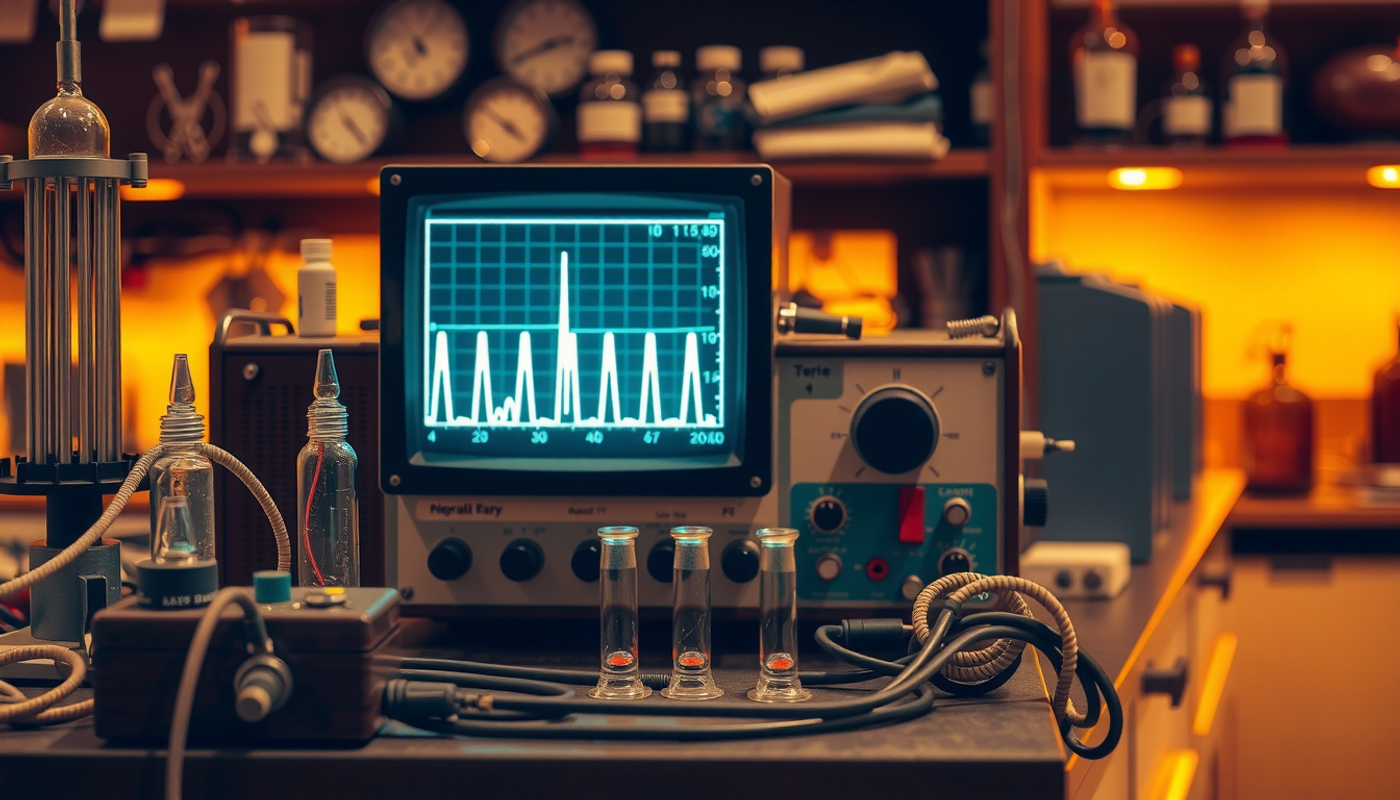
Oslo, Norway. 1966. Terje Lømo was a doctoral student in Per Andersen's laboratory at the University of Oslo. He was studying the hippocampus of anesthetized rabbits, recording electrical responses in the dentate gyrus while stimulating incoming fibers from the perforant pathway. Standard electrophysiology. Routine work.
But Lømo noticed something odd. When he delivered a brief train of high-frequency electrical pulses to the input fibers, the responses of the downstream neurons got bigger. Not just for a few seconds. For hours. The synapses had been "potentiated," and the effect persisted far beyond what any known mechanism could explain [6].
In 1968, Tim Bliss arrived from London to join Andersen's laboratory. He and Lømo joined forces and conducted a systematic series of experiments that became the foundation of the field. Their 1973 paper in the *Journal of Physiology*, "Long-lasting potentiation of synaptic transmission in the dentate area of the anaesthetised rabbit following stimulation of the perforant path," described the phenomenon in meticulous detail [7]. A companion paper by Bliss and Gardner-Medwin demonstrated that the effect lasted for days in awake, freely moving animals.
Two years later, Robert Douglas and Graham Goddard proposed the name "long-term potentiation." Per Andersen later joked that they chose it because the acronym, LTP, was easy to pronounce [1].
In Lømo's own words, written in a 2025 retrospective published in *Hippocampus*, the discovery was accidental. He was not looking for a memory mechanism. He was studying basic synaptic physiology. But the observation was too dramatic to ignore. A brief burst of activity had produced a change in synaptic strength that lasted indefinitely. The brain had, in a sense, remembered the stimulation.
Meanwhile, across the Atlantic, Eric Kandel at Columbia University was asking similar questions using a very different organism. The sea slug *Aplysia californica* has only about 20,000 neurons, compared to the roughly 86 billion in a human brain. But its simplicity was its power. Kandel showed that behavioral learning in Aplysia involves measurable changes in synaptic strength. Short-term memory required only chemical modifications of existing proteins. Long-term memory required new gene expression and the physical growth of new synaptic connections [8]. The parallel with mammalian LTP was striking. Kandel shared the 2000 Nobel Prize in Physiology or Medicine for this work.
The Molecular Lock That Opens Only When Two Keys Turn Simultaneously
How does LTP actually work at the molecular level? The answer involves one of the most elegant biological mechanisms ever discovered: a receptor that functions as a coincidence detector.
Glutamate is the brain's primary excitatory neurotransmitter. When a presynaptic neuron fires, it releases glutamate into the synaptic cleft. That glutamate binds to two types of receptors on the postsynaptic neuron: AMPA receptors and NMDA receptors. AMPA receptors open immediately and let sodium ions flow in, generating a fast electrical signal. They handle the routine business of neural communication [9].
NMDA receptors are different. They are the gatekeepers of plasticity. Under normal conditions, even when glutamate binds to an NMDA receptor, the channel stays blocked. A magnesium ion sits in the pore like a cork in a bottle. The only way to dislodge that magnesium is to depolarize the postsynaptic membrane, to make the inside of the cell more positively charged. This happens when the postsynaptic neuron is already active, already being stimulated by other inputs [2].
So the NMDA receptor requires two simultaneous events to open: glutamate must bind (meaning the presynaptic neuron has fired), and the postsynaptic membrane must be depolarized (meaning the postsynaptic neuron is also active). Two keys. One lock. This is exactly Hebb's rule implemented in molecular hardware. Cells that fire together, wire together, because only when both fire does the NMDA channel open.
And when it opens, calcium floods in.
Calcium is the trigger for everything that follows. It activates an enzyme called CaMKII (calcium/calmodulin-dependent protein kinase II), a remarkable molecular machine that constitutes up to two percent of the total protein in the postsynaptic density. CaMKII does something extraordinary: it phosphorylates itself, locking into a permanently active state even after calcium levels drop. This is called autophosphorylation. Mice with a mutation that prevents CaMKII autophosphorylation cannot form LTP and cannot learn spatial tasks [10].
Active CaMKII then phosphorylates the GluA1 subunit of AMPA receptors, increasing their conductance. More critically, it drives the insertion of additional AMPA receptors into the postsynaptic membrane. Before LTP, the synapse might have had 50 AMPA receptors. After LTP, it might have 100. The signal gets louder. The connection gets stronger. This is the molecular basis of memory formation [11].
Other kinases contribute too. Protein kinase C (PKC) helps stabilize the early changes. Protein kinase A (PKA) links early signaling to later gene expression. And the controversial enzyme PKMζ has been proposed as a molecular memory maintenance molecule, although this claim is still debated [12].
What does this mean in practical terms? Every time you learn something new and the learning sticks, these molecular events are almost certainly occurring in your brain. The synapse literally changes its hardware. More receptors. Bigger spine. Stronger signal.
Two Phases: A Software Update and a Hardware Upgrade
LTP is not a single event. It unfolds in two distinct phases, each with different molecular requirements and different timescales. Understanding these phases explains something that every student has experienced: why cramming works in the short term but fails in the long term.
Early-phase LTP (E-LTP) begins within seconds of the inducing stimulation and lasts roughly one to three hours. It requires no new proteins. Instead, E-LTP works by modifying proteins that already exist at the synapse. CaMKII phosphorylates AMPA receptors. Existing receptors from nearby pools are shuttled to the membrane. The spine head swells as actin filaments reorganize. Think of it as a software update. The existing hardware is reconfigured to work more efficiently [2].
But E-LTP fades. Without reinforcement, the modifications reverse. The phosphate groups come off. The extra receptors get pulled back inside. The spine shrinks. This is forgetting at the synaptic level.
Late-phase LTP (L-LTP) is fundamentally different. It requires the nucleus. When strong or repeated stimulation occurs, PKA activates a transcription factor called CREB (cAMP response element-binding protein). CREB enters the nucleus, binds to specific DNA sequences, and turns on genes that encode new synaptic proteins. Arc. Homer. PSD-95. Brain-derived neurotrophic factor, or BDNF. These proteins physically rebuild the synapse, making it larger and more permanent [13].
L-LTP is the hardware upgrade. New structural proteins. New receptor scaffolds. Sometimes entirely new synaptic connections. This is what makes a memory last for weeks, months, or years. And it explains a critical finding: protein synthesis inhibitors like anisomycin block L-LTP without affecting E-LTP. You can learn in the moment, but you cannot consolidate the memory [14].
BDNF deserves special attention. This growth factor, acting through its receptor TrkB, is essential for L-LTP. It stimulates dendritic protein synthesis, modifies actin dynamics in spines, and can even partially rescue L-LTP when general protein synthesis is blocked. Exercise sharply increases hippocampal BDNF levels, which may explain why physical activity improves memory [15].
In 1997, Uwe Frey and Richard Morris at the University of Edinburgh published a paper in *Nature* that solved a puzzle. If L-LTP requires proteins made in the cell body and distributed throughout the dendrites, how does the neuron know which synapses should receive those proteins? After all, a single hippocampal neuron has thousands of synapses. Making all of them stronger would be useless. Memory requires specificity.
Frey and Morris proposed the "synaptic tagging and capture" hypothesis. When a synapse undergoes E-LTP, it sets a molecular "tag," a temporary marker that says "I was recently active." Meanwhile, strong stimulation at any synapse on the same neuron triggers the production of plasticity-related proteins (PRPs) that are distributed throughout the dendritic tree. These proteins are "captured" only by tagged synapses. Untagged synapses ignore them [16].
The elegance of this system is breathtaking. It means that a weak experience can be converted into a lasting memory if, within a time window of roughly one to two hours, a strong experience occurs on the same neuron. The strong event provides the proteins. The weak event had already placed the tag. This is called "behavioral tagging," and it has been demonstrated in living animals [17].
Four Properties That Make LTP the Perfect Memory Substrate
Not every form of synaptic strengthening would work as a memory mechanism. For LTP to be a credible candidate, it needs properties that match what science knows about how memory behaves. Remarkably, it has exactly the right properties.
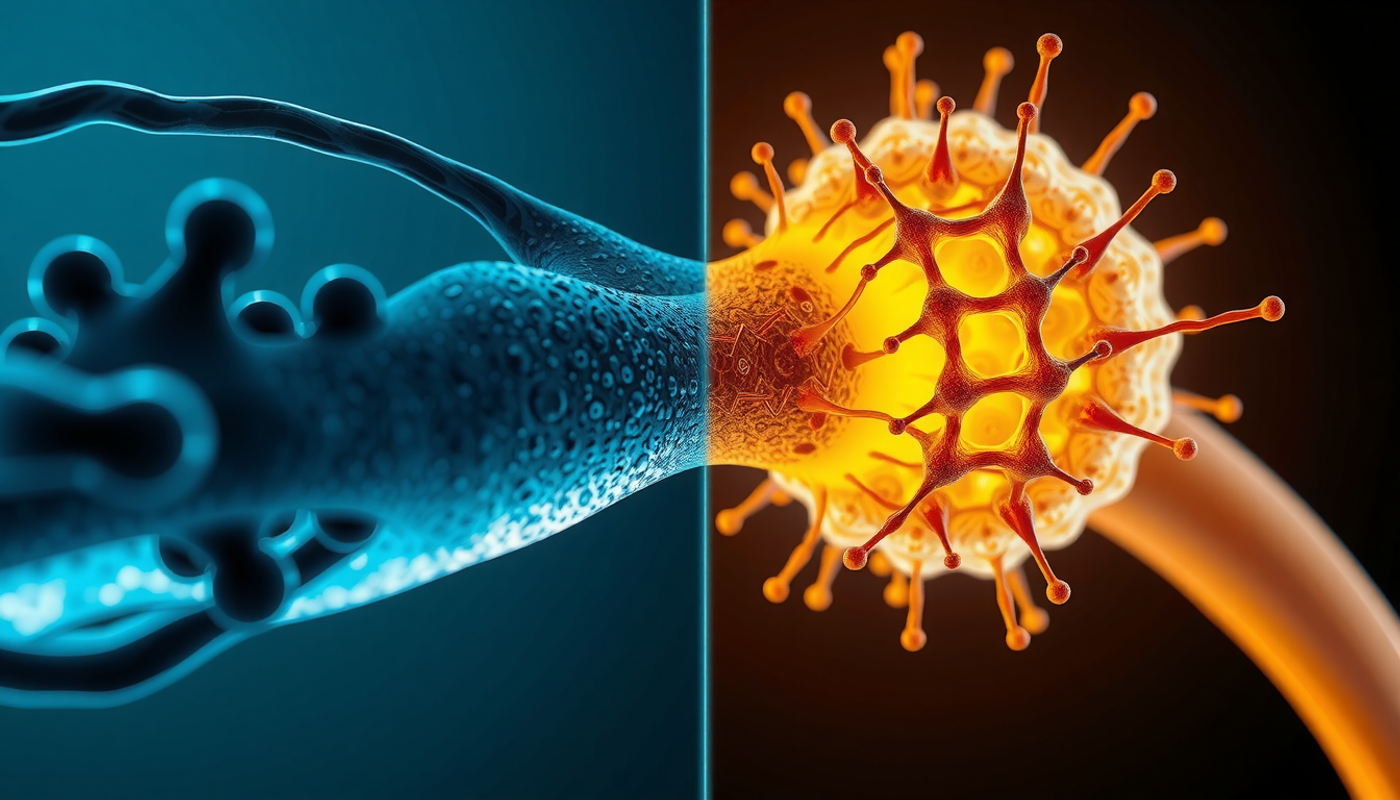
Input specificity. When LTP is induced at one synapse, neighboring synapses on the same neuron are unaffected. This means different memories can be stored at different synapses on the same cell without interference. The modified Frey-Morris hypothesis adds nuance: very nearby synapses (within roughly 70 micrometers) can sometimes share tags, but the basic principle holds [2].
Associativity. A weak stimulus that cannot induce LTP on its own can be potentiated if it arrives at the same time as a strong stimulus on another input to the same neuron. This is the cellular equivalent of Pavlovian conditioning. The bell (weak input) becomes associated with the food (strong input) because both arrive while the postsynaptic neuron is depolarized.
Cooperativity. A minimum number of presynaptic fibers must fire together to produce enough depolarization to unblock the NMDA receptors. A single fiber cannot do it alone. This ensures that only coordinated, meaningful patterns of activity produce lasting changes, filtering out random noise.
Persistence. L-LTP can last for days, weeks, or even longer in intact animals. This is on the timescale required for long-term memory.
These four properties together make LTP an almost impossibly good fit for a memory mechanism. Input specificity provides storage capacity. Associativity provides the ability to link related information. Cooperativity provides a noise filter. Persistence provides durability. No other known form of synaptic plasticity has all four [18].
Different Brain Regions, Different Rules
The hippocampus is where LTP was discovered and where it has been studied most intensively. But the brain does not use a single form of plasticity everywhere. Different regions have different versions of LTP, tuned to their specific computational needs.
In the hippocampal CA1 region, LTP at Schaffer collateral synapses is the textbook form: NMDA-receptor-dependent, postsynaptic, and requiring coincident pre- and postsynaptic activity. But just one synapse upstream, in the CA3 region, mossy fiber LTP follows completely different rules. It is largely presynaptic, NMDA-receptor-independent, and relies instead on increased neurotransmitter release mediated by cAMP and PKA [19].
The amygdala, that almond-shaped cluster of neurons that processes fear and emotional memories, has its own version of LTP. During Pavlovian fear conditioning, a neutral tone (the conditioned stimulus) is paired with a foot shock (the unconditioned stimulus). Both signals converge on neurons in the lateral amygdala. The synapses carrying the tone signal undergo NMDA-dependent LTP. After conditioning, the tone alone can activate these strengthened synapses and trigger a fear response [20].
In 2014, Sadegh Nabavi and colleagues at MIT performed a stunning experiment. They used optogenetics to directly induce LTP at amygdala synapses carrying a conditioned tone. The mice froze in fear, even though they had never actually been shocked while hearing the tone. Artificial LTP had created an artificial fear memory. Then the researchers applied an optogenetic LTD protocol to the same synapses. The fear disappeared. Then they re-applied LTP. The fear returned. Memory, erased and restored, entirely through synaptic plasticity [21].
The prefrontal cortex uses LTP for working memory and behavioral flexibility, but with distinctive features. Prefrontal LTP shows strong dopaminergic modulation and relies more heavily on NMDA receptors containing the NR2B subunit [22]. The cerebellum, which handles motor learning, uses a different form of plasticity altogether. Instead of LTP at parallel fiber synapses, the cerebellum primarily uses long-term depression (LTD), weakening rather than strengthening connections as a mechanism for error correction [23].
The Other Side of the Coin: Long-Term Depression
You cannot write new memories without the ability to forget or modify old ones. This is the role of long-term depression, or LTD.
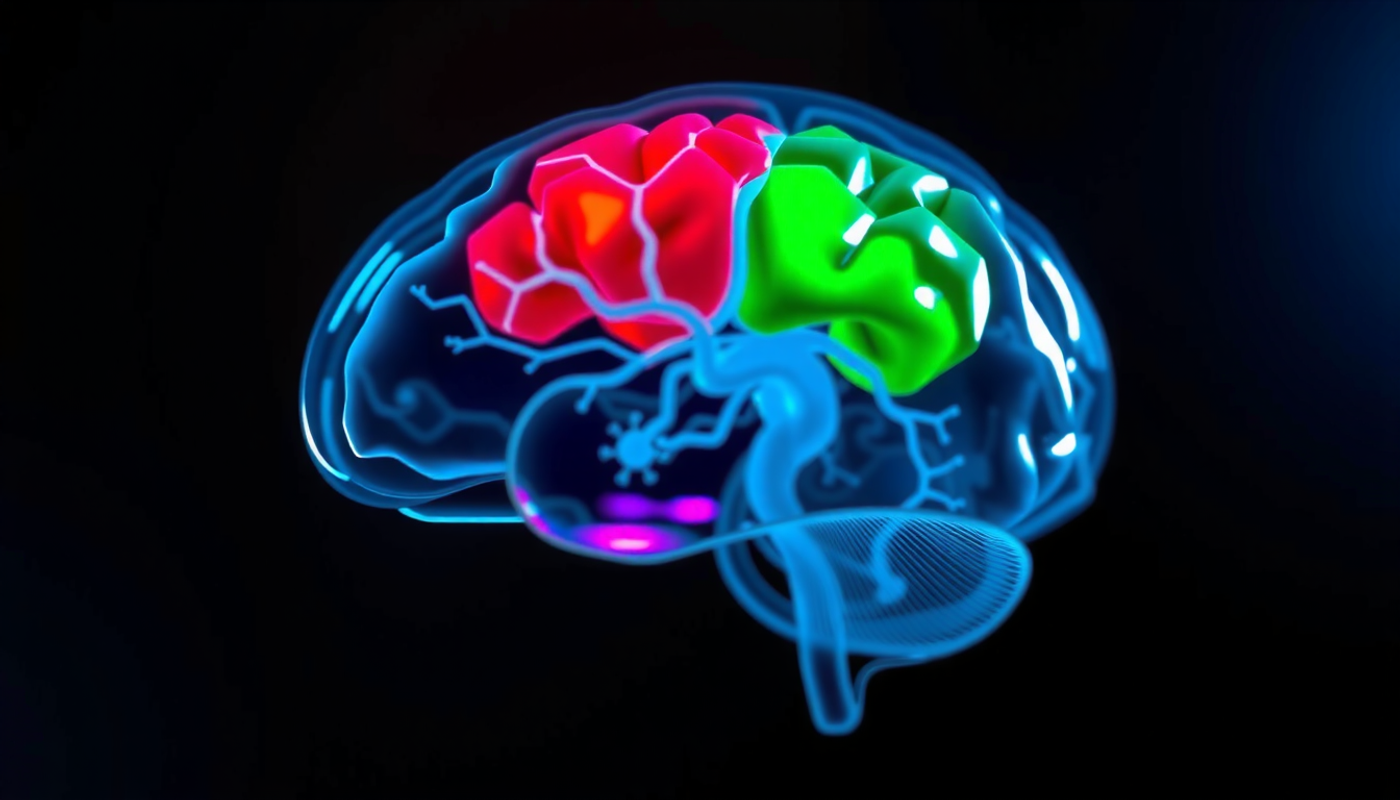
LTD is the mirror image of LTP. Where LTP strengthens synaptic connections, LTD weakens them. Where LTP is typically induced by high-frequency stimulation, LTD is induced by low-frequency stimulation, usually around one hertz for fifteen minutes. The molecular distinction is surprisingly simple: it comes down to calcium levels [24].
A large, fast rise in calcium (as produced by high-frequency stimulation) activates kinases, especially CaMKII, which drive AMPA receptor insertion and synaptic strengthening. A smaller, slower rise in calcium (from low-frequency stimulation) preferentially activates phosphatases, enzymes that remove phosphate groups. Calcineurin and protein phosphatase 1 (PP1) strip the phosphates off AMPA receptors and promote their endocytosis, pulling them out of the membrane. The synapse weakens.
In 1982, Elie Bienenstock, Leon Cooper, and Paul Munro formalized this relationship in what became known as BCM theory. They proposed a sliding modification threshold: postsynaptic activity above the threshold produces LTP, while activity below it produces LTD. The threshold itself shifts based on the neuron's recent average activity. If a neuron has been very active, the threshold rises, making LTP harder and LTD easier. If the neuron has been quiet, the threshold drops, making LTP easier [25].
This metaplasticity, the plasticity of plasticity, prevents runaway excitation. Without it, LTP would beget more LTP in a positive feedback loop that would eventually cause seizures.
Together, LTP and LTD provide the brain with a bidirectional tuning mechanism. They are not opponents. They are partners. Research by Denise Manahan-Vaughan's group has shown that in freely moving rats, LTP appears to support the encoding of spatial experience, while LTD enables the updating and refinement of that representation, making each memory unique and distinguishable from similar ones [26].
From Slice to Behavior: Does LTP Actually Make Memories?
The most important question in the LTP field is also its most contentious: is LTP really the mechanism the brain uses to store memories, or is it just a laboratory artifact that bears some resemblance to the real thing?
The formal version of this question is the Synaptic Plasticity and Memory (SPM) hypothesis, articulated by Stephen Martin, Paul Grimwood, and Richard Morris in a landmark 2000 review. They proposed four criteria that must be met to establish LTP as a memory mechanism: detectability (LTP-like changes should be measurable during learning), anterograde alteration (blocking LTP should prevent new learning), retrograde alteration (erasing LTP should erase existing memory), and mimicry (artificially inducing LTP should create a memory) [18].
The evidence for each criterion is now strong, though not yet perfect.
Richard Morris's 1986 *Nature* paper provided the first powerful evidence for anterograde alteration. He infused AP5, a drug that blocks NMDA receptors, into the brains of rats before training them on the Morris water maze, a spatial learning task where rats must find a hidden platform in murky water. The result was clear: rats with blocked NMDA receptors could not learn the platform location. Their LTP was blocked, and their spatial memory was gone [27].
Nabavi's 2014 optogenetic experiment provided the strongest evidence yet for both retrograde alteration and mimicry. Artificial LTP created a fear memory. Artificial LTD erased it. Artificial LTP brought it back [21].
And in 2021, Akihiro Goto and colleagues published a remarkable paper in *Science* that revealed the temporal architecture of memory consolidation through LTP. Using a novel optogenetic tool that could selectively erase structural LTP within defined time windows, they found three distinct waves of synaptic strengthening. The first occurred in hippocampal CA1 within minutes of learning, encoding the context. The second occurred during sleep on the same day, synchronizing neural assemblies. The third occurred in the anterior cingulate cortex during sleep on the second night, stabilizing the memory for long-term storage [28].
This stepwise process means that a memory is not "made" in a single moment. It is built over days, through sequential waves of LTP in different brain regions. And sleep is essential for at least two of those three waves.
What Makes LTP Stronger or Weaker
LTP is not a fixed quantity. Its strength and durability are influenced by a constellation of lifestyle and biological factors, many of which are under your control.
Sleep is perhaps the most critical modulator. During slow-wave sleep, the brain produces large, slow electrical oscillations that coordinate two faster rhythms: thalamocortical sleep spindles (11-15 Hz bursts) and hippocampal sharp-wave ripples (150-250 Hz). These three rhythms nest together in a precise hierarchy that creates optimal conditions for memory consolidation. The slow oscillation provides the frame. The spindle rides inside it. The ripple nests inside the spindle. This coupling drives spike-timing-dependent plasticity at cortical synapses, essentially replaying and strengthening the day's learning [29]. Sleep deprivation impairs both E-LTP and L-LTP [30].
Exercise is the second most powerful enhancer. Aerobic exercise increases hippocampal BDNF levels, lowers the LTP induction threshold, promotes neurogenesis in the dentate gyrus, and improves spatial learning in both rodents and humans [15]. The effect is remarkably rapid. A single bout of moderate exercise can enhance LTP-related plasticity for hours afterward.
Chronic stress is one of the most damaging factors. Prolonged elevation of glucocorticoids (cortisol in humans, corticosterone in rodents) impairs hippocampal LTP, reduces dendritic complexity, decreases BDNF expression, and increases AMPA receptor internalization. Acute moderate stress, by contrast, can sometimes enhance LTP through mineralocorticoid receptor activation [31].
Aging raises the threshold for LTP induction. Older brains require stronger stimulation to produce the same degree of potentiation. The mechanisms are multiple: presynaptic calcium dysregulation, increased L-type calcium channel activity, oxidative stress, cholesterol loss from synaptic membranes, and reduced CaMKII-TARP coupling [32]. But the news is not all bad. Environmental enrichment, exercise, and even dietary interventions like citrulline supplementation have been shown to partially restore LTP in aged animals [33].
Caffeine has a complex relationship with LTP. At moderate doses, caffeine blocks adenosine A1 receptors, which normally act as a brake on synaptic transmission. This can enhance LTP and improve memory. But chronic high-dose caffeine consumption may actually attenuate plasticity [34].
When the System Breaks: LTP in Disease
When the molecular machinery of LTP fails, the consequences are devastating. Several major neurological and psychiatric disorders involve disruptions of synaptic plasticity.
In Alzheimer's disease, soluble oligomers of amyloid-beta protein directly inhibit hippocampal LTP and shift the LTP/LTD balance toward depression. This happens before neurons die, before plaques accumulate, before the disease is even clinically detectable. The earliest cognitive symptom of Alzheimer's, difficulty forming new memories, may be a direct consequence of LTP failure [35].
Schizophrenia involves a different kind of LTP disruption. The NMDA receptor hypofunction hypothesis, now supported by decades of research, proposes that reduced NMDA receptor activity is a central feature of the disorder. Drugs that block NMDA receptors, like ketamine and PCP, can produce schizophrenia-like symptoms in healthy individuals. Genetic risk factors for schizophrenia converge on NMDA receptor signaling pathways [36].
Depression involves yet another pattern. Chronic stress impairs hippocampal and prefrontal LTP while facilitating LTD. Ketamine, a drug that has shown rapid antidepressant effects, appears to work at least in part by restoring LTP. Its metabolite (2R,6R)-HNK can rescue hippocampal LTP and spatial memory in animal models of depression [37].
Addiction hijacks the LTP machinery in reward circuits. A single exposure to cocaine, nicotine, or morphine can potentiate glutamatergic synapses on dopamine neurons in the ventral tegmental area within 24 hours. This is LTP in the wrong place at the wrong time, strengthening associations between drug cues and reward in ways that drive compulsive behavior [38].
Epilepsy can be understood partly as pathological LTP. The kindling model, where repeated subthreshold stimulation eventually produces seizures, shares mechanisms with LTP, including NMDA receptor activation, calcium influx, and long-lasting increases in synaptic excitability. Epileptic brains show altered LTP/LTD balance and impaired cognitive plasticity [39].
And traumatic brain injury impairs late-phase LTP through proteasomal degradation and autophagy-mediated clearance of plasticity-related proteins [40].
The Frontier: Discoveries Since 2020
The study of LTP continues to produce discoveries. Several findings from the past six years have reshaped the field.
In 2022, Carley Le and colleagues published a startling finding in *Nature Neuroscience*. For decades, it was assumed that male rodents show stronger hippocampal LTP and better spatial learning than females. Le's team showed this sex difference is not innate. It emerges only after puberty. Before puberty, female rats actually have lower LTP thresholds and better spatial memory. Puberty triggers increased expression of α5-GABAA receptors in females, which raise the LTP threshold by providing greater inhibitory shunting of theta-burst responses. A negative allosteric modulator of α5-GABAA receptors completely restored LTP and spatial memory in adult females [41].
The implications are enormous. Most LTP research has used young adult male animals. The Le et al. finding means that decades of results may need reinterpretation.
Also in 2022, research from multiple groups revealed that astrocytes, the star-shaped glial cells long considered mere support cells, actively gate LTP. In the ventral tegmental area, dopamine neuron burst firing recruits astrocytic calcium signaling through co-localized CB1 and D2 receptors, releasing endocannabinoids that potentiate excitatory synapses on neighboring neurons [42]. Astrocytes are not bystanders. They are active participants in memory formation.
A 2025 cryo-electron microscopy study resolved the NMDA receptor structure at near-atomic resolution, revealing for the first time exactly how calcium permeates the selectivity filter through partial dehydration while magnesium remains blocked through a water network stabilized by surrounding lipids. This structural understanding may enable the design of new drugs that modulate NMDA receptor function with unprecedented precision [43].
And computational neuroscience has begun to build AI systems that incorporate LTP-like learning rules. Memristive devices that mimic synaptic plasticity and spiking neural networks implementing spike-timing-dependent plasticity (a temporal version of Hebbian LTP) are being used to create brain-inspired computing architectures that learn more efficiently than conventional neural networks.
Why Your Study Habits Are Synaptic Events
Everything discussed in this article has direct implications for how you study. The spacing effect, the testing effect, and sleep-dependent consolidation are not just psychological phenomena. They are LTP events.
Spaced repetition works because the LTP threshold is dynamic. Each study session activates a subset of synaptic spines, setting molecular tags. But at any given moment, fewer than half of adult hippocampal spines are in a "primed" state ready for potentiation. Spacing your sessions allows time for new spines to enter the primed pool. The next session then recruits synapses that were unavailable during the first. This is why three separate one-hour study sessions produce far more durable LTP than a single three-hour marathon [44].
Retrieval practice (testing yourself rather than re-reading) works because each act of retrieval re-engages the encoding circuit and drives additional rounds of LTP. The effort of recall generates prediction errors that trigger new synaptic strengthening. fMRI studies show that retrieval practice activates the hippocampus and medial prefrontal cortex more strongly than passive restudy [45].
Sleep works because the slow oscillation-spindle-ripple hierarchy coordinates the replay and consolidation of LTP-tagged synapses. Goto's 2021 findings show that at least two nights of sleep are required for full memory consolidation: one for hippocampal assembly synchronization, another for cortical L-LTP [28].
Exercise works because BDNF, released during aerobic activity, directly lowers the LTP threshold and promotes the protein synthesis required for L-LTP [15].
The lesson is not complicated. Study in spaced sessions. Test yourself instead of re-reading. Sleep adequately the same night and the following night. Move your body. Each of these strategies maps onto a specific node in the molecular pathway from glutamate release to CREB-driven gene expression. They are not folk wisdom. They are neuroscience.
The Unsolved Questions
Despite sixty years of intense research, fundamental questions about LTP remain unanswered. Intellectual honesty demands acknowledging them.
The necessary-versus-sufficient debate continues. Most evidence shows that LTP is necessary for many forms of memory. Blocking it prevents learning. But is it sufficient? Tonegawa's group has shown that in some cases, memories can persist even when protein-synthesis-dependent LTP is blocked. The engram cells are still there. They can still be reactivated by optogenetic stimulation. They just cannot be activated by natural cues. This suggests that LTP may be needed for memory retrieval rather than storage [46].
The PKMζ controversy highlights how fragile molecular explanations can be. For years, PKMζ was celebrated as the molecular maintenance molecule of long-term memory. Then in 2013, two independent groups showed that PKMζ knockout mice have normal LTP and normal memory. The field scrambled. It now appears that PKMζ has a redundant partner, PKCι/λ, that compensates for its absence. Memory maintenance is more resilient and more complicated than anyone hoped [12].
Translation to humans remains challenging. Nearly all mechanistic LTP studies have been conducted in rodent brain slices or intact rodent brains. Direct human evidence relies on indirect proxies: visually evoked potentials, transcranial magnetic stimulation protocols, and fMRI correlates. The molecular machinery is highly conserved between rodents and humans. But caution is warranted [2].
And the Le et al. findings about sex differences remind us that the field has been built largely on data from young adult male animals. How many conclusions need revision when females and older animals are properly represented remains an open question.
These uncertainties are not weaknesses. They are the signs of a living science, still asking hard questions and still being surprised by the answers.
Conclusion
The story of long-term potentiation is the story of how the brain learns. It begins with Cajal's inspired guess in 1894, passes through Hebb's theoretical framework in 1949, and arrives at Lømo's accidental discovery in 1966. It continues through the identification of NMDA receptors as coincidence detectors, CaMKII as the molecular memory switch, and CREB as the gatekeeper of long-term storage. It extends into the optogenetic era, where memories can be created and erased by turning synaptic strength up and down.
LTP is not the whole story of memory. Intrinsic excitability changes, epigenetic modifications, structural spine remodeling, and whole-cell scaling all contribute. But LTP remains the single most compelling cellular mechanism linking neural activity to lasting behavioral change.
And its implications reach beyond the laboratory. Every time you space your study sessions, test yourself instead of re-reading, get a good night's sleep, or go for a run before studying, you are working with the grain of your own molecular biology. You are giving your synapses what they need to convert fleeting electrical signals into lasting structural changes.
Cajal could not have imagined cryo-EM structures of NMDA receptors or optogenetic manipulation of memory engrams. But he would have recognized the core idea. Learning is the strengthening of connections. The brain is a machine that builds itself through experience. And every memory you carry is proof that your synapses did their job.
Frequently Asked Questions
What is long-term potentiation in simple terms?
Long-term potentiation is the process by which connections between brain cells become stronger after repeated activation. When two neurons fire together frequently, their synapse transmits signals more efficiently. This strengthening can last hours to weeks and is considered the primary cellular mechanism underlying learning and memory formation in the brain.
How does LTP relate to memory formation?
LTP strengthens synaptic connections between neurons that are active during a learning experience. Early-phase LTP provides temporary strengthening through receptor modification, while late-phase LTP produces lasting changes through new protein synthesis and structural growth. This two-stage process mirrors how short-term experiences become consolidated into long-term memories.
What is the difference between LTP and LTD?
LTP strengthens synaptic connections through high-frequency neural activity and calcium-activated kinases. LTD weakens them through low-frequency activity and calcium-activated phosphatases. Both processes work together to refine memory storage. LTP encodes new information while LTD helps update, modify, and prevent saturation of existing neural circuits.
Can you improve long-term potentiation naturally?
Several evidence-based strategies support LTP. Regular aerobic exercise increases brain-derived neurotrophic factor, which lowers the LTP threshold. Adequate sleep enables the slow oscillation-spindle-ripple coupling that consolidates LTP-dependent memories. Spaced study sessions, retrieval practice, and managing chronic stress also promote optimal synaptic plasticity conditions.
What happens when long-term potentiation is impaired?
Impaired LTP is associated with several neurological conditions. In Alzheimer's disease, amyloid-beta oligomers directly block hippocampal LTP before clinical symptoms appear. Schizophrenia involves NMDA receptor dysfunction that disrupts normal plasticity. Chronic stress and depression suppress hippocampal LTP, contributing to memory difficulties and cognitive decline.


