Introduction
You lost your keys. You have checked every pocket, every drawer, every surface. Nothing. Then you walk back into the kitchen, and there they are. Right next to the coffee machine. You saw them a hundred times that morning but could not recall their location until you returned to the spot where you last set them down.
This is not a coincidence. This is context-dependent memory at work. It is one of the most reliable findings in memory science: information encoded in a specific environment is easier to retrieve when you return to that same environment [1]. The room, the sounds, the smells, even the color of the walls become part of the memory trace itself. Change the environment and the memory becomes harder to reach. Return to it and the memory floods back.
The science behind this phenomenon stretches from a 1940 classroom experiment to a 2025 GPS-tracking study on smartphones. It involves divers learning word lists underwater, mice whose dentate gyrus neurons were artificially reactivated, fruit flies that remember danger only when the original training surface is present, and Russian-English bilinguals who recall childhood memories in whichever language those memories were formed [2]. Along the way, the story passes through the hippocampus, the prefrontal cortex, and a theoretical principle proposed by Endel Tulving in 1973 that changed how scientists think about memory retrieval forever [3].
This article tells that story. Not as a textbook summary. As a journey through six decades of experiments, arguments, failures, and surprises.

The Diver Who Remembered Underwater
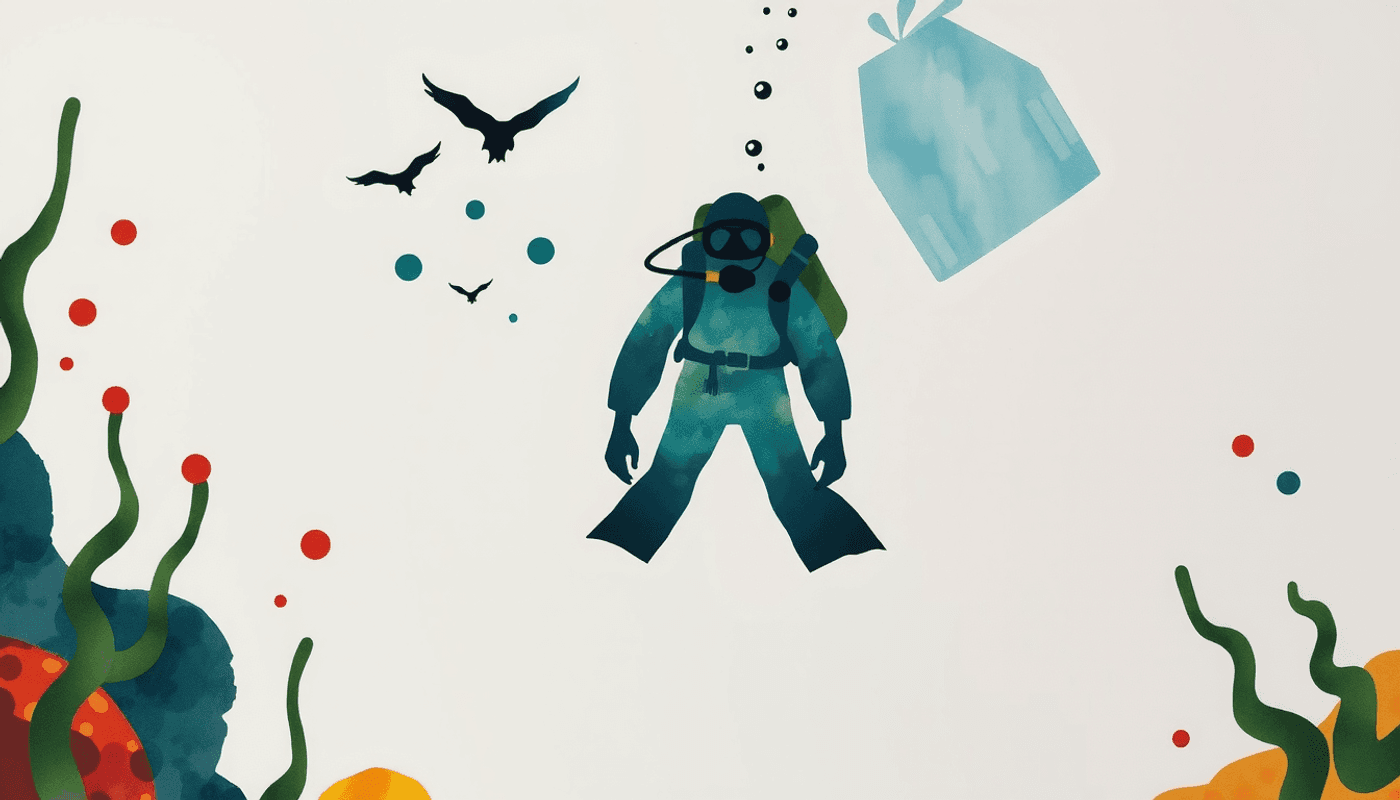
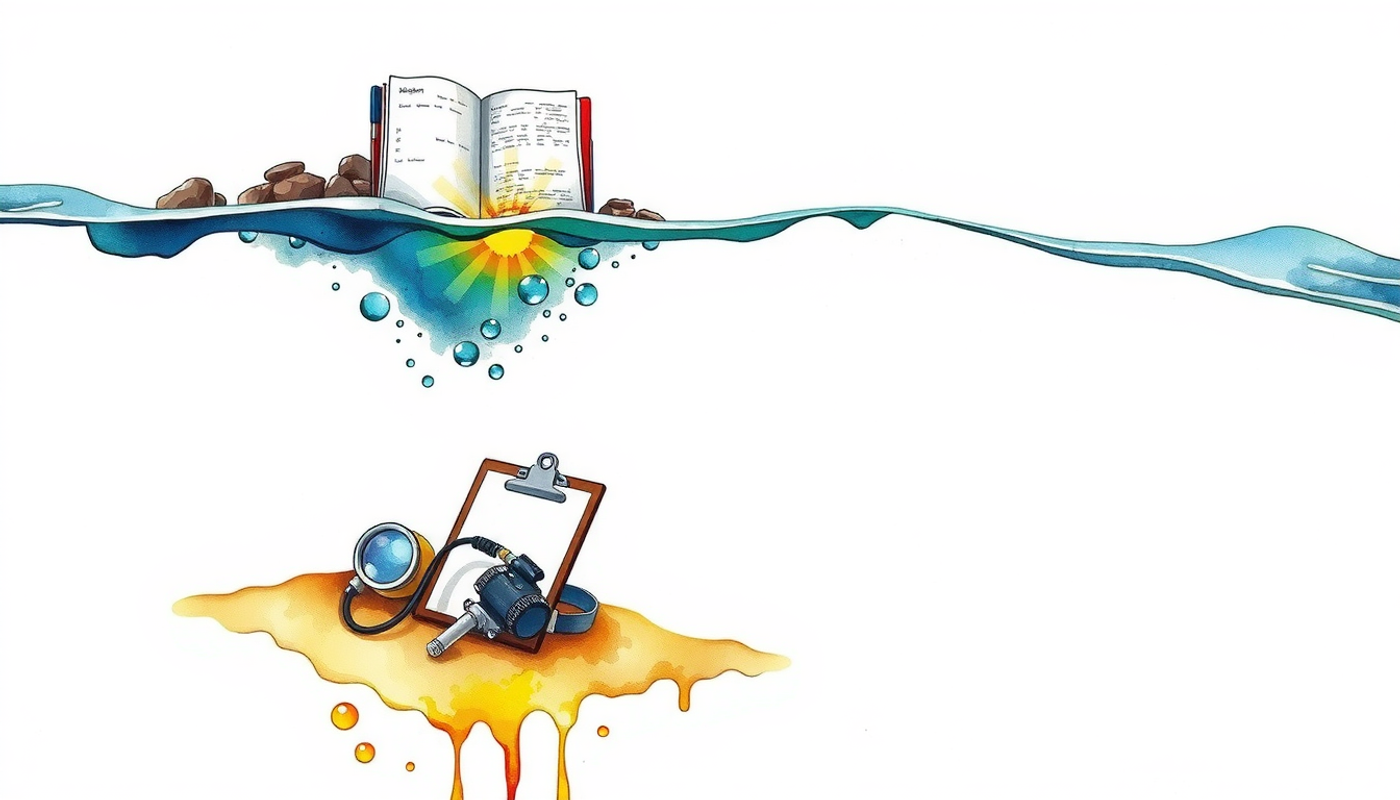
The most famous experiment in the history of context-dependent memory took place off the coast of Britain in 1975. Duncan Godden and Alan Baddeley, both at the University of Stirling, recruited eighteen members of a university diving club and asked them a deceptively simple question: does it matter where you learn something when you try to remember it later [4]?
The design was elegant. Divers learned lists of 36 unrelated words in one of two environments: sitting on the beach, or submerged twenty feet underwater wearing full scuba gear. Then they were tested in either the same environment or the opposite one. Four conditions total: learn on land, recall on land. Learn on land, recall underwater. Learn underwater, recall underwater. Learn underwater, recall on land.
The results were striking. Divers who learned and recalled in matching environments remembered roughly 40% more words than those tested in mismatched environments. The statistical interaction was enormous (F = 22.0, p < .001). The effect was not about one environment being harder. Both environments produced similar overall recall. The penalty came from switching. Moving from water to land, or land to water, cost memory. Staying put preserved it.
The paper landed in the British Journal of Psychology and became one of the most cited studies in cognitive psychology. But there is an important footnote. In 2021, Jaap Murre at the University of Amsterdam attempted a careful replication with sixteen divers in Dutch waters [5]. He followed the original procedure as closely as possible. The result? No significant interaction. The classic effect did not replicate.
Does that mean context-dependent memory is a myth? No. It means single experiments, no matter how famous, are fragile. The broader evidence is much more robust. Steven Smith and Edward Vela published a meta-analysis in 2001, pulling together 93 experiments spanning six decades [1]. Their conclusion: the effect is real but moderate. For free recall tasks, the average effect size was d = 0.29. For cued recall, smaller. For recognition memory, essentially zero. Context helps you fish memories out of the dark. But only when you are fishing without a flashlight.
What does that mean? When a test gives you strong cues, like showing you the word and asking "did you see this before?", the cue itself is powerful enough to trigger the memory. Context becomes irrelevant. But when you have to generate the memory from scratch, the environment you are sitting in becomes a lifeline.
Tulving's Key: The Encoding Specificity Principle
Two years before Godden and Baddeley sent divers underwater, a theoretical paper appeared in Psychological Review that would explain why their experiment worked. In 1973, Endel Tulving and Donald Thomson proposed the encoding specificity principle [3]. The idea was deceptively simple: a retrieval cue is effective only if the information about that cue was stored together with the target memory during encoding.
In plain language: your brain does not store memories in isolation. It stores them bundled with whatever else was happening at the time. The room. The music playing. Your mood. The language you were speaking. The smell of the coffee. All of that contextual information gets woven into the memory trace. And later, when any of those contextual features reappear, they can pull the memory back.
Tulving stated it with precision: "Specific encoding operations performed on what is perceived determine what is stored, and what is stored determines what retrieval cues are effective in providing access to what is stored" [3]. This principle elegantly explains why the divers remembered better underwater when they learned underwater. The watery environment was encoded as part of the memory. Without water at retrieval, that part of the cue was missing.
But encoding specificity goes further than rooms and water. It also explains transfer-appropriate processing, a concept developed by Morris, Bransford, and Franks in 1977 [6]. They showed that "deeper" processing at study does not always produce better memory. What matters is match. If you study words by their sound and then take a rhyming test, you do better than if you studied meaning and took a rhyming test. The operations at encoding must match the operations at retrieval. Context is not just a place. It is a mental state.
This concept is heavily related to the encoding specificity principle, which Tulving and Thomson formalized two years earlier.
A Family of Memories That Need the Right Cue
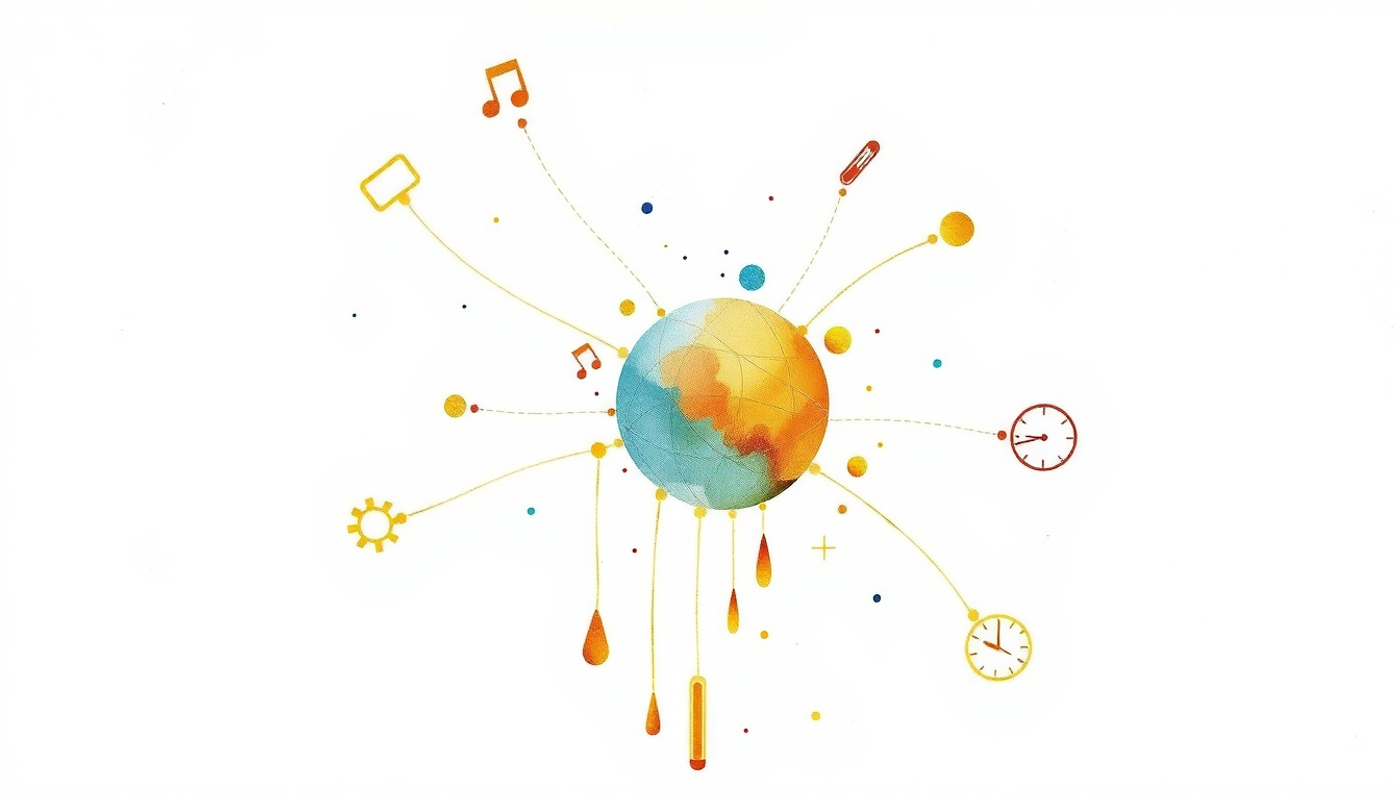
Context-dependent memory is not a single phenomenon. It is a family. The members share a common mechanism — retrieval improves when encoding conditions are reinstated — but they differ in what counts as "context."
The most studied subtype is environmental context-dependent memory. This is the classic version: match the physical surroundings. Rooms, underwater versus land, ambient sounds, background colors. Ethel Abernethy demonstrated it in 1940, years before Godden and Baddeley [7]. Over five years at the University of Georgia, she tested 181 undergraduates and found that students scored higher on exams when tested in their usual classroom by their usual instructor. When the room or instructor changed, performance dropped. Weaker students were hit the hardest.
Then there is state-dependent memory. Instead of the external environment, the "context" is your internal physiological state. The landmark study came from Donald Goodwin and colleagues in 1969, published in Science [8]. Forty-eight male medical students learned word lists while either sober or intoxicated on vodka. The next day they were tested in matching or mismatched states. Recall was better when encoding and retrieval states matched. Sober-sober outperformed sober-drunk. Drunk-drunk outperformed drunk-sober. The information was not lost; it was stored under a biochemical bookmark.
Eric Eich later showed that state-dependent retrieval is itself cue-dependent [9]. It appears reliably only when no other strong retrieval cues are available. Give someone a strong external prompt and the internal state no longer matters. Take away all external prompts and the internal state becomes the last lifeline. This parallel with the outshining effect in environmental CDM is no accident. The underlying mechanism is the same.
Third: mood-congruent and mood-dependent memory. Gordon Bower proposed in 1981 that moods function as associative network nodes [10]. Happy moods activate happy memories. Sad moods activate sad ones. Mood-dependent memory goes further: you remember better in the same mood you learned in, regardless of the valence of the material. The clinical implications are immediate. Depression creates a retrieval trap. Sadness activates sad memories, which deepen sadness, which activates more sad memories.
Fourth: cognitive context-dependent memory. This is the subtlest form. The "context" is not a room or a mood but a mental operation. The most striking demonstration comes from bilingual memory research. Viorica Marian and Ulric Neisser at Cornell University showed in 2000 that Russian-English bilinguals recalled autobiographical memories preferentially in the language in which those events originally occurred [2]. Interview them in Russian and Russian-period memories flow. Switch to English and English-period memories dominate. Language itself functions as a context cue. The memory is there in both languages, but the door opens faster when you knock in the right one.
What unites them all is Tulving's encoding specificity principle. Whether the context is a room, a drug state, an emotion, or a language, the mechanism is identical: features present during encoding become part of the memory trace and serve as retrieval cues when reinstated.
Inside the Hippocampus: Where Context Becomes Code
For decades, context-dependent memory was a purely behavioral observation. Scientists knew it worked. They did not know how the brain made it work. That changed when neuroscientists looked inside the hippocampus.
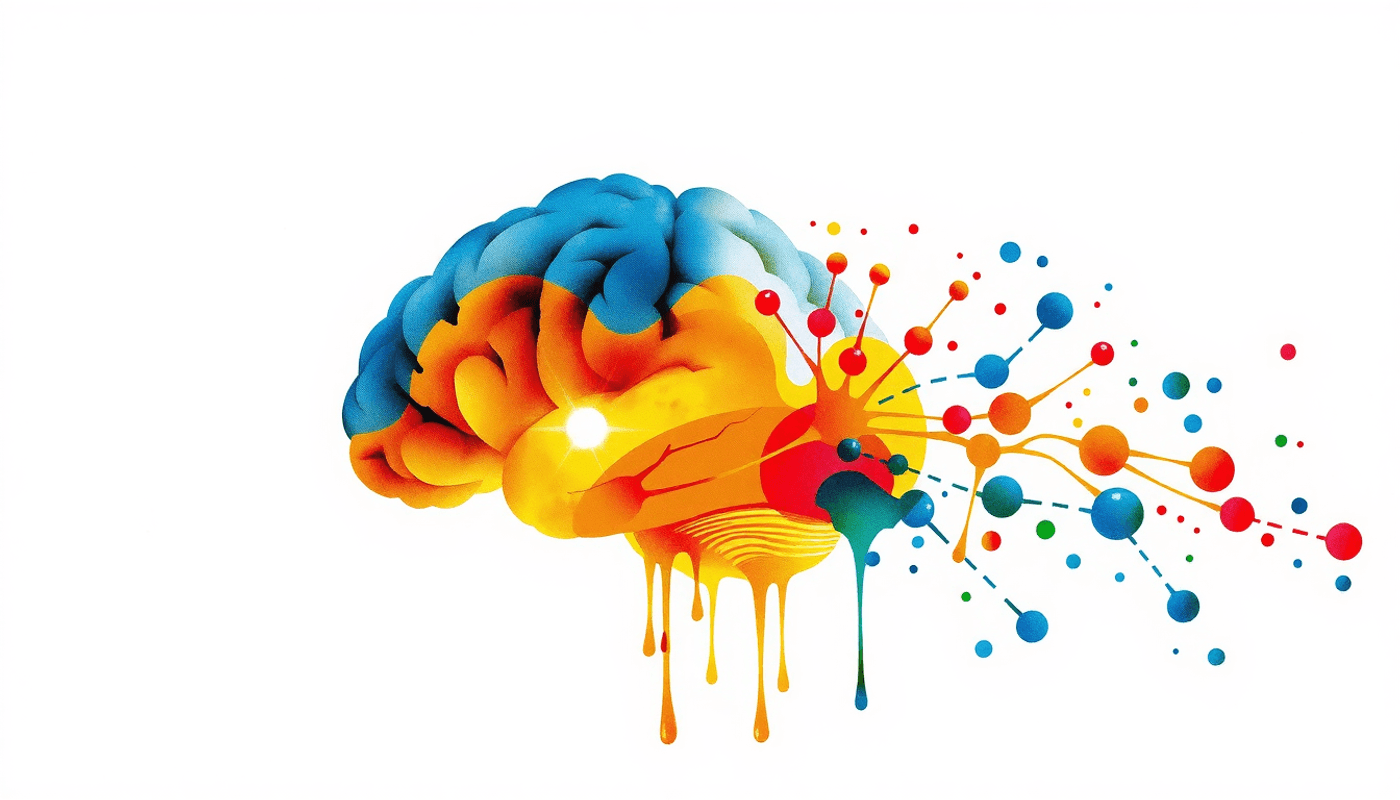
The hippocampus is a seahorse-shaped structure buried deep in the temporal lobe. It is the brain's memory factory. Damage it and you lose the ability to form new episodic memories entirely, as the famous patient Henry Molaison demonstrated after both his hippocampi were surgically removed in 1953.
But the hippocampus does not just store memories. It encodes context. And it does this through one of the most remarkable coding schemes in neuroscience: place cells.
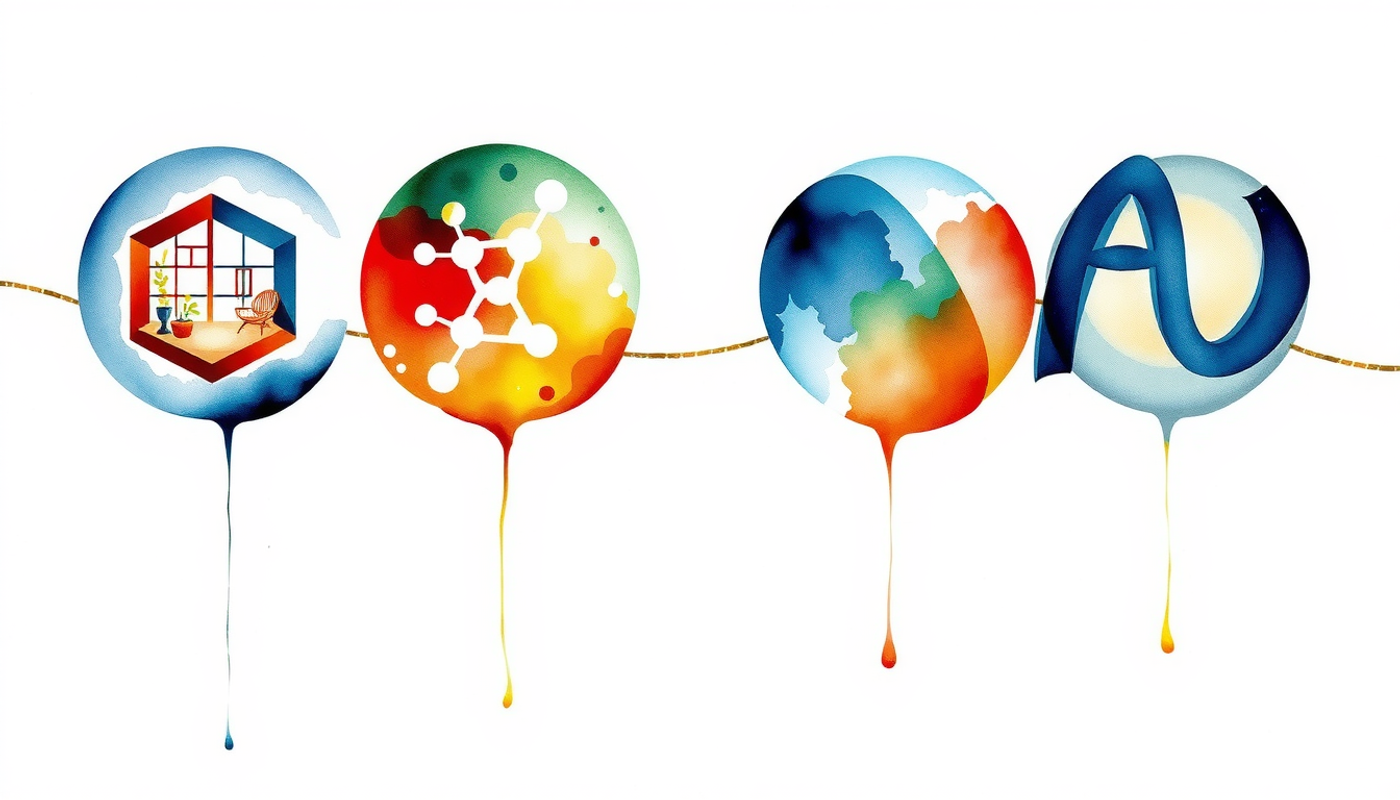
John O'Keefe and Jonathan Dostrovsky discovered place cells in 1971 [11]. These are neurons in the hippocampal region CA1 that fire when an animal is at a specific location in space. One neuron fires in the northwest corner of a room. Another near the food dish. Another by the door. Together they create a map of the environment. O'Keefe won the Nobel Prize for this in 2014.
Here is what matters for context-dependent memory: when an animal moves to a different environment, place cells do not simply adjust. They completely reorganize. A neuron that fired near the food dish in Room A might fire near the door in Room B, or might go silent entirely. This wholesale reorganization is called remapping [12]. Global remapping means the population code becomes entirely different across environments. Rate remapping means the same cells fire in the same locations but at different rates.
The result is that each environment gets its own unique neural fingerprint. Room A activates one ensemble of hippocampal neurons. Room B activates a different ensemble. The population-level pattern is the context code. And memories formed in that environment get bound to that specific pattern.
Sanders, Wilson, and Gershman modeled this computationally in 2020, publishing in eLife [13]. They showed that remapping can be understood as Bayesian hidden-state inference. The hippocampus treats "context" as a latent variable, an invisible cause that explains the current pattern of sensory inputs. When the sensory pattern changes enough to suggest a new context, the hippocampus switches to a new map. Memories become bound to whichever map was active during encoding.
A 2025 study pushed this further. Researchers used freely moving calcium imaging in large populations of CA1 neurons in mice performing a context-discrimination task. They found that the magnitude of remapping was not fixed. It increased when context was behaviorally relevant [14]. If the mouse needed the context to solve the task, hippocampal maps diverged more sharply between environments. If context was irrelevant, the maps stayed similar. The brain allocates more coding resources to context when context matters. This explains why highly distinctive environments produce stronger context-dependent memory effects than similar-looking rooms.
The Gatekeeper: How the Dentate Gyrus Sorts Your Memories by Place
If the hippocampal CA1 region creates context maps, the dentate gyrus decides when to create a new one.
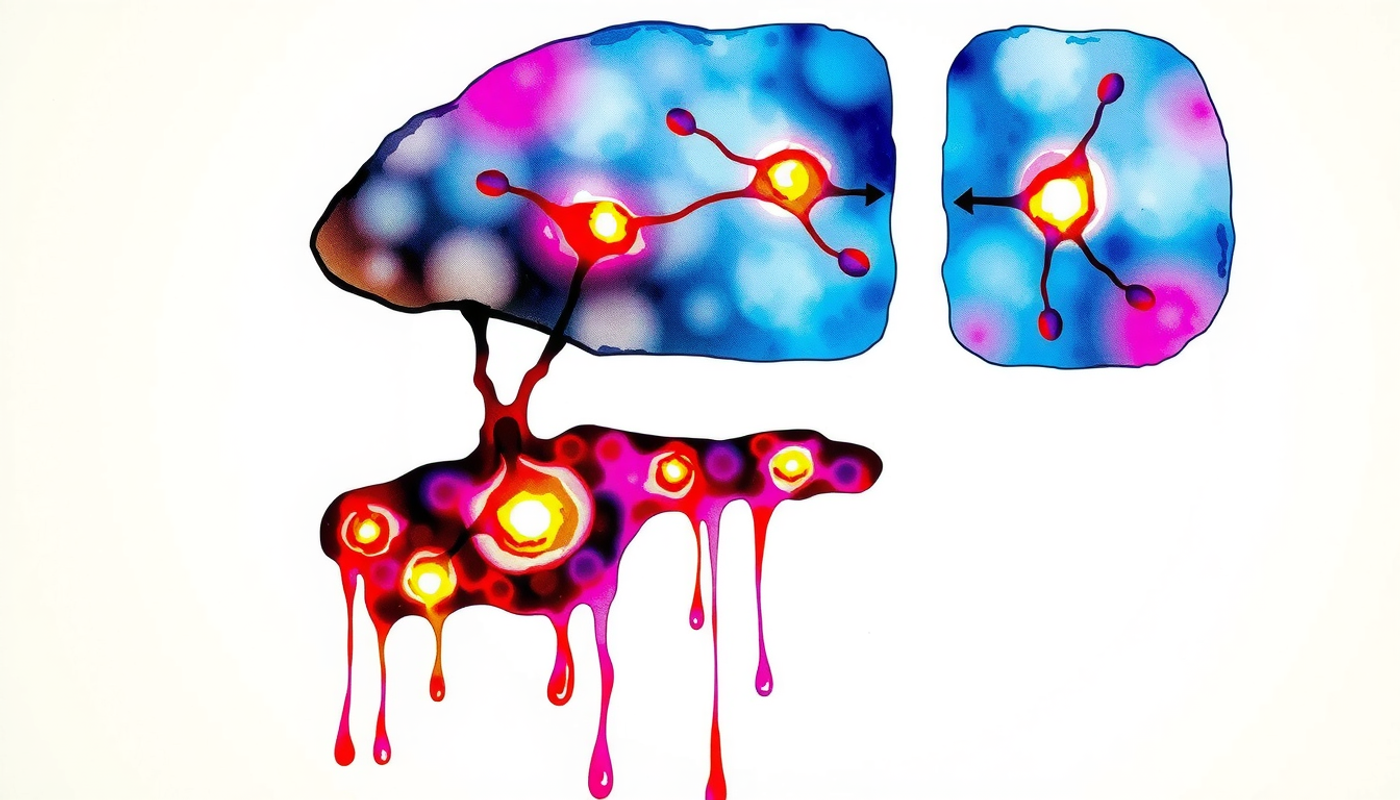
The dentate gyrus sits at the entrance of the hippocampal circuit. Every piece of sensory information from the entorhinal cortex passes through it before reaching CA3 and CA1. David Marr proposed in 1971 that the dentate gyrus performs pattern separation: it takes similar inputs and makes them maximally different in the output [15]. Two rooms that look somewhat alike produce somewhat similar inputs from the entorhinal cortex. The dentate gyrus decorrelates those inputs, producing radically different outputs that represent two distinct contexts.
Why does this matter for context-dependent memory? Because without pattern separation, similar contexts would produce overlapping memory traces, and retrieval would be confused. You would mix up which list of words you learned in Room A versus Room B. The dentate gyrus prevents this confusion by orthogonalizing the representations from the start.
The most striking causal evidence came in 2024. Cesar Coelho, Sheena Josselyn, Paul Frankland, and colleagues at the Hospital for Sick Children in Toronto published a study in Science Advances that made the mechanism concrete [16]. They used activity-dependent tagging, a technique that marks neurons with molecular labels when those neurons are active during a specific experience. Mice explored two different contexts, and the researchers labeled the dentate gyrus neurons active in each context with DREADDs, a chemogenetic tool that allows remote activation of tagged neurons.
Then came the test. The researchers placed mice in a completely novel third environment and artificially reactivated the dentate gyrus ensemble from Context A. The result: the mice retrieved memories associated with Context A, not Context B. Even though the mouse was in a brand-new room, the dentate gyrus ensemble overrode the current environment and biased retrieval toward the memories of the original context.
This is the clearest causal evidence that dentate gyrus ensembles gate context-dependent retrieval. They do not just separate similar contexts during encoding. They also determine which context's memories get retrieved downstream in CA1.
Think about what this means. The dentate gyrus is a gatekeeper. It decides: "You are in Context A." And once that decision is made, all the memories associated with Context A become accessible while Context B's memories recede. Context-dependent memory is not a vague cognitive effect. It is a circuit-level operation performed by a specific brain structure at a specific stage of hippocampal processing.
The Chemistry of Remembering Where You Were
Place cells and the dentate gyrus provide the architecture of context-dependent memory. But architecture alone does not explain why some contextual memories stick and others vanish. For that, you need chemistry.
Two neurotransmitters dominate the story: acetylcholine and dopamine.
Michael Hasselmo at Boston University proposed a model in the early 2000s that has become one of the most influential frameworks in memory neuroscience [17]. His idea: acetylcholine sets the hippocampus into encoding mode. When acetylcholine levels are high, driven by input from the medial septum and diagonal band of Broca, hippocampal synapses become more plastic. New contextual information gets written in. Recurrent connections that would otherwise trigger old memories are suppressed. The brain prioritizes recording the present over replaying the past.
When acetylcholine drops, the hippocampus switches to retrieval mode. Pattern completion takes over. Old memories can be reactivated by partial cues. This is why cholinergic drugs like scopolamine, which block acetylcholine, impair the encoding of new memories but leave retrieval relatively intact [18]. The encoding-retrieval balance is chemically controlled.
For context-dependent memory, the implication is direct. When you enter a new environment and acetylcholine levels rise, the hippocampus shifts into encoding mode and binds the new environment's features into the memory trace. When you return to that environment later and acetylcholine is lower, the matching contextual cues trigger retrieval through pattern completion. The chemistry ensures that context gets encoded with the content.
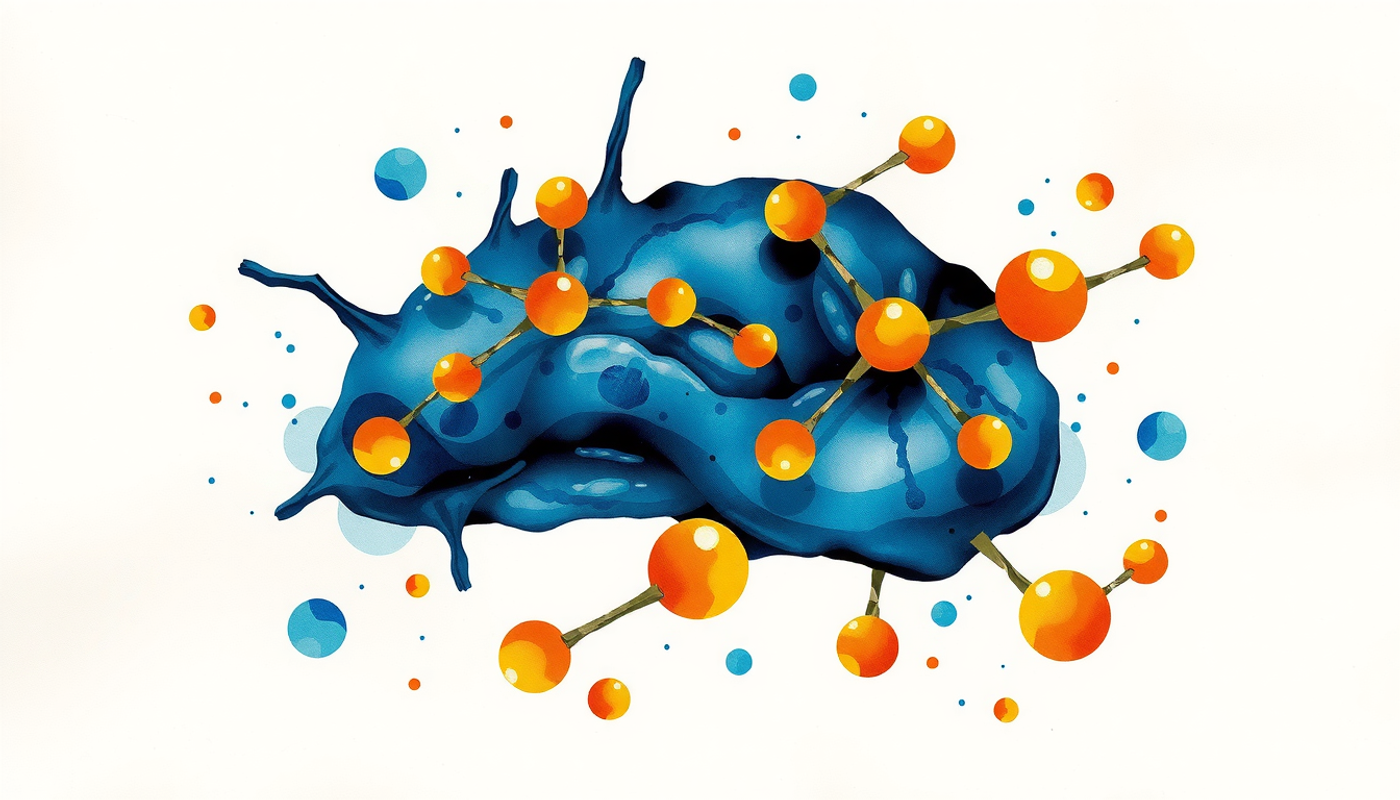
Dopamine tells a different part of the story. Projections from the ventral tegmental area to the hippocampus signal novelty and importance [19]. When you encounter something new or surprising in a particular context, dopamine release triggers long-term potentiation at hippocampal synapses, converting a short-lived memory into a durable one. This is why distinctive, surprising environments produce stronger context-dependent memory effects than bland, familiar ones. The dopamine system tags them as worth remembering.
A 2024 study demonstrated this directly. Researchers showed that VTA dopamine afferents to the hippocampus are both necessary and sufficient to trigger the synaptic changes that support long-term contextual memory formation [20]. Block the dopamine signal and contextual memories do not persist. Activate it artificially and they do, even for otherwise forgettable experiences.
What does this mean in practical terms? Studying in a boring, featureless room may be less effective than studying in a distinctive one. Not because distraction helps, but because distinctiveness triggers dopamine release, which strengthens the contextual binding. The room becomes part of the memory. And a more memorable room makes a more retrievable memory.
From Lab to Street: Context-Dependent Memory in the Real World
For decades, context-dependent memory lived almost exclusively inside laboratories. Word lists. Controlled rooms. Diving suits. Critics argued that the effect, while real in sterile conditions, might not survive the complexity of everyday life. A 2025 study finally answered that question.
Yura Choi and colleagues at Hanyang University in Seoul published a study in Frontiers in Psychology that tracked context-dependent memory in the wild [21]. They recruited participants and tracked their GPS locations every sixty seconds for five consecutive weeks using a smartphone application. Then, at random intervals, participants were asked to recall: where were you at this specific date and time? They chose from all locations they had visited during the tracking period.
The results confirmed what labs had suggested for fifty years. Memory was significantly better when the recall prompt arrived while participants were at the same location as the target event. The effect size was substantial: Cohen's d = 0.49, placing it in the top third of all published context-dependent memory effect sizes [21].
Two moderators stood out. First, frequency. Locations visited rarely showed a stronger context-dependent effect than frequently visited ones. This aligns with distinctiveness: a novel place leaves a more vivid contextual trace. Second, dwell time. The longer participants had stayed at a low-frequency location, the stronger the context effect. More time spent in a distinctive place meant stronger encoding of that place as part of the memory.
Virtual reality has opened another frontier. Shin, Masis-Obando, Keshavarzian, Dave, and Norman at Princeton University created two maximally distinct VR environments in 2021: an underwater world and the surface of Mars [22]. Participants learned word lists in each environment and were tested in matching or mismatching VR contexts. The context-dependent effect was robust, and it was largest for items that participants rated as relevant to the specific environment. Survival-related words in the Mars context were remembered best when tested on Mars.
But not all VR works equally well. Chocholackova and colleagues in Brno tested context-dependent memory using less distinctive VR rooms, an indoor room versus an outdoor garden, with 92 participants [23]. No significant context effect appeared. The conclusion: VR contexts must be semantically rich and perceptually dramatic. Two slightly different offices do not count. Mars versus the ocean floor does. The brain needs the contexts to feel genuinely different before it bothers encoding them separately.
Perhaps the most remarkable extension came from an entirely different species. Zhang and colleagues at Tsinghua University in Beijing demonstrated context-dependent long-term memory in Drosophila melanogaster, the common fruit fly [24]. Using aversive olfactory conditioning on a copper grid, they showed that flies formed a memory that persisted for fourteen days but could only be retrieved when both the conditioned odor and the original copper-grid surface were present. Remove the grid and the memory vanished. Restore it and the memory returned. This context-dependent long-term memory formed after a single training trial and did not require the protein-synthesis-dependent consolidation pathway that classical long-term memory depends on.
The significance is profound. Context-dependent memory exists in a brain with roughly 100,000 neurons. It uses lateral-horn circuits rather than the mushroom body circuits that handle context-free memory. This means the mechanism is evolutionarily ancient, conserved across at least 600 million years of divergence between insects and mammals [24]. Context-binding is not a quirk of the human cortex. It is a fundamental design feature of memory systems that evolved because the same cue can mean different things in different places.

When Context Saves Lives: The Cognitive Interview
In 1984, Ronald Fisher and Edward Geiselman had a problem. Police interviews were producing terrible eyewitness testimony. Standard interrogation techniques, fire questions at the witness and demand answers, were recovering only fragments of what witnesses actually remembered. Fisher and Geiselman suspected the solution was hiding in the memory science literature [25].
They built the Cognitive Interview around four principles, each drawn from established memory research. The most important was mental reinstatement of context, taken directly from Tulving's encoding specificity principle. Before asking any questions, the interviewer guides the witness to mentally recreate the original scene. Close your eyes. Picture the room. What was the temperature? What sounds did you hear? What were you feeling?
The technique works. In the original validation study, Geiselman and colleagues found that witnesses given the Cognitive Interview recalled an average of 41.2 correct facts about a filmed violent event, compared to 29.4 for a standard interview [25]. That is roughly 40% more accurate information with no increase in errors. Subsequent meta-analyses confirmed large effect sizes across dozens of studies [26].
The Cognitive Interview is now used by police forces in the United Kingdom, Australia, New Zealand, and parts of the United States. It has been adapted for child witnesses, elderly witnesses, and witnesses with intellectual disabilities. Mental reinstatement of context remains its most powerful component.
But context-dependent memory also has a darker side in criminal justice. Eyewitness identifications made at the scene of a crime, where the original context is present, may be inflated by contextual familiarity rather than genuine recognition. Understanding when context helps and when it misleads is critical for avoiding wrongful convictions.
Why Therapy Gains Vanish: The Renewal Effect
Context-dependent memory explains one of the most frustrating phenomena in clinical psychology: why therapy works in the office but fails at home.
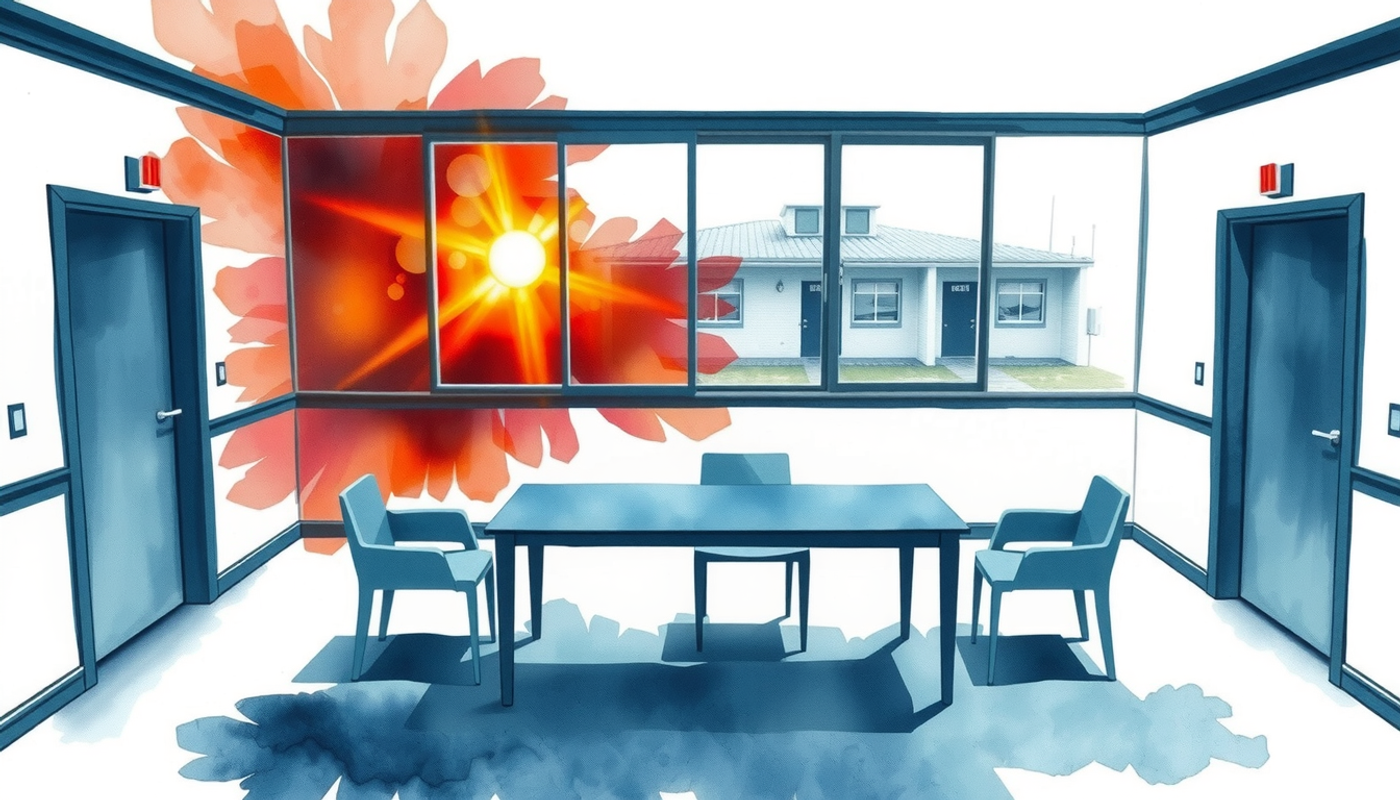
Mark Bouton at the University of Vermont spent decades studying what happens when fear extinction, the process by which a feared stimulus loses its threatening quality through repeated safe exposure, is moved to a new environment [27]. His finding was consistent and unsettling. Fear extinction is context-dependent. Extinguish a fear in the therapist's office and the fear stays quiet in the therapist's office. Move to a new room and the fear returns. This is called the renewal effect.
The renewal effect comes in three flavors. ABA renewal: learn fear in Context A, extinguish it in Context B, return to Context A and the fear returns. ABC renewal: learn in A, extinguish in B, test in a completely novel Context C and the fear still returns. AAB renewal: learn and extinguish in A, test in B, and the fear returns less strongly but measurably [28].
For exposure therapy, which is the gold-standard treatment for post-traumatic stress disorder, phobias, and panic disorder, this is a serious clinical problem. A patient overcomes their fear of elevators in the therapist's building. They walk into a different elevator and the fear floods back. The extinction memory was bound to the therapy context. Without that context, the original fear memory reasserts itself.
Recent neuroscience has localized this process. Hippocampal-prelimbic cortex theta coherence during extinction predicts whether the extinction memory will be successfully retrieved in a new context [29]. The stronger the hippocampal-prefrontal coupling during extinction learning, the more likely the extinction memory generalizes beyond the therapy room. Weak coupling means the extinction stays trapped in its original context.
What can clinicians do? Several strategies have shown promise. Conducting exposure therapy across multiple contexts reduces the renewal effect by creating diverse contextual retrieval cues [30]. Mental reinstatement of the therapy context before entering feared situations helps retrieve the extinction memory. Combining exposure with pharmacological agents that enhance extinction consolidation, such as D-cycloserine, a partial NMDA receptor agonist, may reduce context dependence by strengthening the extinction trace itself.
When Context Fails: The Boundaries of the Effect
Context-dependent memory is real. But it is not universal. Understanding when it does not work is as important as understanding when it does.
The sharpest boundary is the recall-recognition distinction. Godden and Baddeley discovered this themselves in 1980, five years after their diving study, when they repeated the experiment using recognition instead of free recall [31]. Same divers. Same word lists. Same underwater and land conditions. But instead of asking "what words do you remember?", they showed divers words and asked "did you see this one?" The context effect vanished completely. Environmental context had no effect on recognition memory.
Smith and Vela's 2001 meta-analysis confirmed this pattern across dozens of studies [1]. They explained it with the outshining hypothesis: when strong item-specific cues are available, like the recognition probe itself, those cues outshine the subtler contextual cues. Context only matters when you need it, and recognition tests provide such powerful cues that context becomes redundant.
A second limitation is what Smith and Vela called overshadowing. When participants engage in deep, introspective processing during encoding, focusing intensely on the meaning of the material rather than the environment, the environmental context gets encoded weakly. This explains the paradox of classroom studies. William Saufley, Samuel Otaka, and Shirley Bavaresco ran 21 comparisons with hundreds of university students in 1985 and found no reliable room-change effect on exam performance [32]. Students who studied in multiple locations over weeks had decontextualized their memories. The room was simply not part of the trace.
A third boundary: encoding variability cuts both ways. Smith, Glenberg, and Bjork showed in 1978 that studying the same material in two different rooms produced better free recall than studying in one room [33]. The explanation is elegant: multiple contexts provide multiple retrieval routes. Even if one context is absent at test, another might match. More recent work by Smith, Shafer, and Diana in 2024 extended this to recognition memory across varied retrieval contexts [34]. The practical implication is clear. If you cannot predict where you will need to remember something, study it in multiple places. Each place adds a retrieval cue.
Individual differences also matter. Abernethy noted in 1940 that weaker students were more affected by context changes. Modern research on cognitive flexibility and source monitoring suggests that people vary in how much contextual information they encode and how effectively they use it at retrieval [35].

What Six Hundred Million Years of Evolution Tell Us
If context-dependent memory were just a laboratory curiosity, it would be interesting. That it exists in fruit flies makes it fundamental.
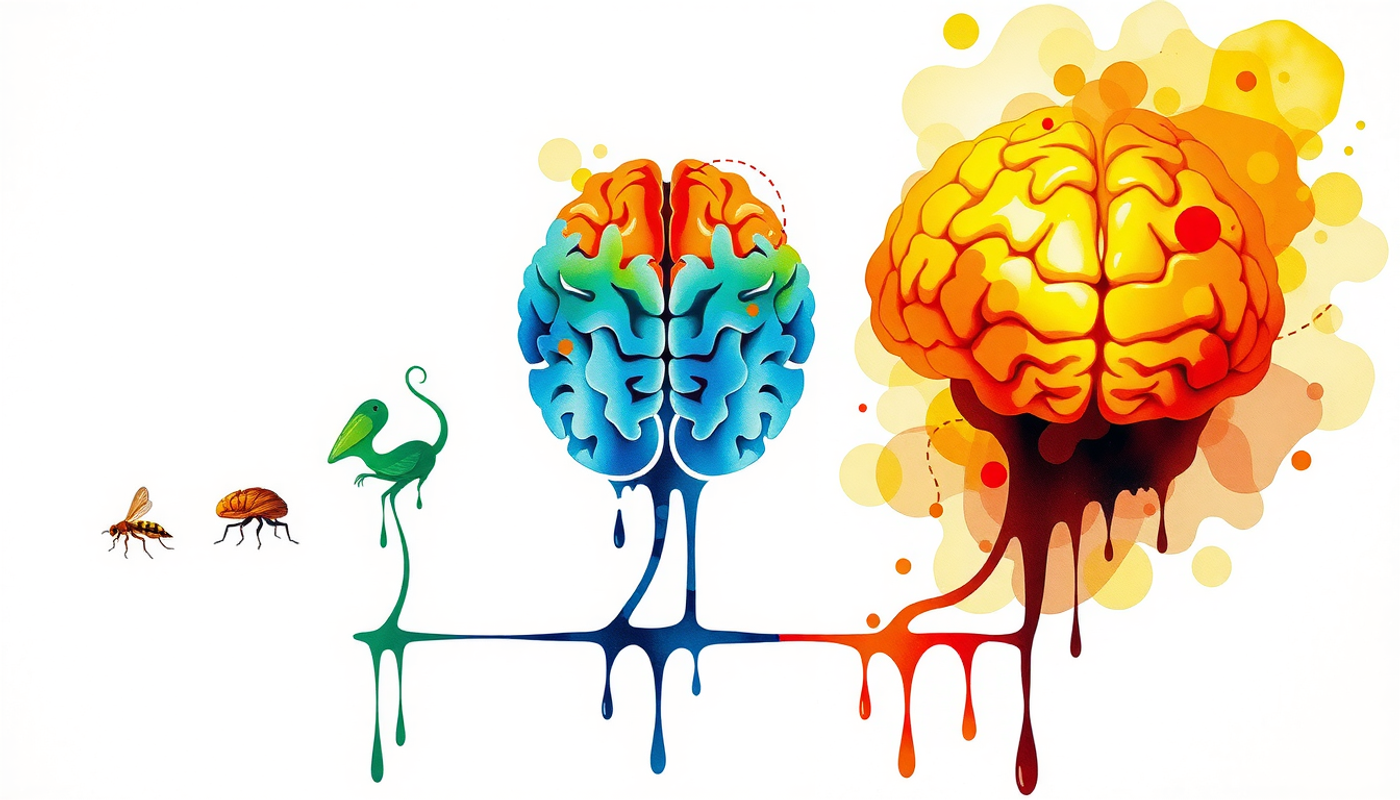
The Drosophila experiments by Zhang and colleagues in 2019 revealed a separate memory circuit dedicated to context-dependent retrieval [24]. Classical long-term memory in flies uses the mushroom body, a structure in the insect brain dedicated to associative learning. Context-dependent long-term memory bypasses the mushroom body and uses the lateral horn, a structure that integrates multimodal sensory information. The two circuits run in parallel. One stores context-free associations: this odor means danger, period. The other stores context-bound associations: this odor means danger, but only when you are standing on this surface.
The evolutionary logic is clear. An organism that can only form context-free associations risks catastrophic errors. A smell that means predator in one location might mean food source in another. Context-binding allows disambiguation. It provides a mechanism for storing multiple, conflicting associations to the same cue and retrieving the appropriate one based on the current environment.
Allen and Fortin traced the evolution of this capacity across species in a 2013 PNAS paper [36]. They argued that the ability to bind events to contexts emerged when the hippocampus began receiving highly processed, multimodal input from association cortices, allowing organisms to form episodic, what-where-when memories rather than simple stimulus-response associations. This transition, from rigid associative learning to flexible contextual memory, may have been one of the key cognitive innovations that enabled complex behavior in vertebrates.
In humans, this same system has been repurposed for staggeringly complex tasks. We use it to remember which social rules apply in which settings. Which language to speak with which group. Which set of skills to deploy in which workplace. Context-dependent memory is not a side effect of how memory works. It may be the central organizing principle.
Putting It to Work: What Context-Dependent Memory Means for Learning
The science is clear. Context is woven into memory. What are the practical consequences for anyone trying to learn and remember?
First: if you know where you will be tested, study there. The original Abernethy finding still holds. Students who studied and were tested in the same room outperformed those who were not [7]. Medical students at Limerick University in Ireland showed the same pattern when tested either in the classroom where they learned surgical knowledge or at the patient bedside where they originally practiced it [37]. The context match boosted performance.
Second: if you do not know where you will be tested, study in multiple places. Smith, Glenberg, and Bjork's encoding variability finding from 1978 is among the most practically useful results in the literature [33]. Each new study location adds a contextual retrieval cue. Even if none matches the test environment exactly, the diversity of encoded contexts increases the probability that something in the test environment will overlap with something in your memory.
Third: mental reinstatement works even when you cannot physically return. Smith and Vela's meta-analysis identified mental reinstatement of context as a reliable substitute for physical reinstatement [1]. Before an exam, close your eyes and vividly imagine the place where you studied. Recreate the sounds, the lighting, the temperature. This is the same technique that makes the Cognitive Interview effective in police work, and there is no reason it cannot work in a lecture hall.
Fourth: background cues matter more than you think. Auditory context-dependent memory has been demonstrated in school-aged children. Ostendorf, Schluter, and Hacklander in 2020 showed that consistent background sounds during learning and testing improved recall in children [38]. This suggests that the ambient environment of a classroom, the hum of the air conditioning, the distant sound of a bell, may function as retrieval cues.
Fifth: distinctive environments beat bland ones. The VR studies, the GPS tracking study, and the dopamine research all converge on one point. Memorable places make memorable memories. If your study environment is utterly featureless, it provides weak contextual cues. If it has character, color, specific sounds, and a distinctive feel, those features become woven into the memory trace and become powerful retrieval aids later.
For bilingual learners, the implications of Marian and Neisser's research are immediate [2]. Vocabulary learned in one language context is most accessible in that same language context. If you need vocabulary to be available in both languages, practice it in both. Context variability applies to language just as it applies to rooms.
Reggev and colleagues' VR language-learning study drove this home. Students who learned two phonetically similar foreign vocabularies in two distinct VR environments achieved 92% retention at one week, versus 76% for those who learned both vocabularies in the same environment [39]. Context separated the two vocabularies in memory, reducing interference.

Conclusion
Context-dependent memory tells a story about how the brain files its records. It does not store memories as isolated items on a shelf. It stores them wrapped in the sensory, emotional, and cognitive fabric of the moment they were formed. The room, the mood, the language, the physiological state: all become part of the address where the memory lives. Change the address and the memory becomes harder to find. Restore it and the memory comes flooding back.
The evidence spans eighty-five years, from Abernethy's 1940 classroom to Choi's 2025 GPS-tracked smartphone study. It spans species, from fruit flies to mice to humans. It spans methods, from word lists on a beach to immersive virtual reality on Mars. And it spans levels of analysis, from Tulving's abstract encoding specificity principle to Coelho's concrete dentate gyrus ensembles gating retrieval in mice.
The practical lessons are straightforward. Study where you will be tested. If that is impossible, study in many places. Use mental reinstatement when you cannot physically return. Create distinctive study environments. And remember that context is not limited to rooms. Your mood, your language, your internal state, all count.
But the deepest lesson may be evolutionary. Context-dependent memory exists because the world is ambiguous. The same cue can mean different things in different places. A brain that can bind events to contexts and retrieve the right memory for the right situation has a survival advantage. This was true for fruit flies 600 million years ago. It is true for medical students sitting exams today. And it will be true for anyone who has ever walked back into a room and suddenly remembered what they came there to find.
Frequently Asked Questions
What is context-dependent memory?
Context-dependent memory is the finding that information is easier to recall when the environment at retrieval matches the environment where the information was originally learned. Physical surroundings, sounds, smells, and other environmental features become encoded alongside the memory itself and function as retrieval cues when reinstated.
What is the difference between context-dependent and state-dependent memory?
Context-dependent memory involves external environmental cues such as the room or location. State-dependent memory involves internal physiological cues such as drug states, alertness, or caffeine levels. Both work through the same principle: retrieval improves when encoding conditions are reinstated. The difference is whether the context is outside or inside the body.
Does context-dependent memory work for exams?
Laboratory studies and some classroom research suggest that studying in the same room where the exam takes place can improve recall. If this is not possible, studying in multiple environments or using mental reinstatement — vividly imagining the study location before the test — can help by diversifying or recreating contextual retrieval cues.
Why does context-dependent memory not work for recognition tests?
Recognition tests provide strong item-level cues — the test shows the actual word or item and asks whether it was studied. These item cues are powerful enough to trigger the memory on their own, effectively outshining the subtler environmental context cues. Context-dependent effects appear mainly in free recall, where no item cues are provided.
Is context-dependent memory found in animals other than humans?
Yes. Context-dependent memory has been demonstrated in rodents, marine mammals, birds, and even fruit flies. In Drosophila, a context-dependent long-term memory forms after a single trial and persists for fourteen days, using a separate brain circuit from context-free memory. This evolutionary conservation suggests context-binding is an ancient and fundamental feature of memory systems.