
Introduction
In 1620, Francis Bacon wrote something that would take science four hundred years to prove. "If you read a piece of text through twenty times," he noted, "you will not learn it by heart so easily as if you read it ten times while attempting to recite it from time to time." He was describing something counterintuitive. Something that contradicts how most people study. The idea that the act of trying to remember — not the act of re-reading — is what makes memories stick [1].
Today, this idea has a name. The testing effect. And it is one of the most replicated findings in all of cognitive psychology. Three major meta-analyses — spanning more than five hundred experiments and thousands of participants — converge on the same conclusion: retrieving information from memory strengthens that memory far more than re-studying the same material, with typical effect sizes between 0.50 and 0.70 [2], [3]. And yet, despite this mountain of evidence, most students still reach for the highlighter instead of a blank sheet of paper. Most learners still re-read their notes instead of testing themselves. The testing effect may be the most powerful study technique that almost nobody uses [4].
This is the story of how scientists discovered it, lost it, rediscovered it, and finally began to understand why it works — from the neural circuits of the hippocampus to the prediction errors that reshape synapses every time you try to recall something you once knew.

The Idea That Kept Being Forgotten
The testing effect has a strange history. It was discovered, ignored, rediscovered, ignored again, and then finally taken seriously — a pattern that itself illustrates how science sometimes forgets its own findings.
Bacon's observation in 1620 was philosophical, not experimental. But it was precise. John Locke made a similar point in 1689, noting in An Essay Concerning Human Understanding that ideas "oftenest refreshed" by active recall become "fixed" in the mind. Two centuries later, William James — the Harvard psychologist who essentially invented American psychology — wrote in The Principles of Psychology (1890) that "things are impressed better by active than by passive repetition." When you almost know something, James wrote, "it pays better to wait and recollect by an effort from within, than to look at the book again" [5].
These were brilliant observations. But they were just observations.
The first person to actually test the idea in a laboratory was Edwina E. Abbott. In 1909, she published her master's thesis at the University of Illinois, measuring how interpolating recall attempts into study sessions affected the memorization of poetry stanzas [6]. Her finding was clear: recall practice improved retention beyond what re-reading alone could achieve. Eight years later, Arthur Gates at Columbia University ran a larger and more systematic study. He gave participants material ranging from nonsense syllables to biographical prose and varied the proportion of time spent reading versus reciting. The sweet spot? Devoting roughly sixty to eighty percent of study time to active recitation [7].
Then Herbert Spitzer did something no one had attempted. In 1939, he tested over 3,600 sixth-graders across Iowa schools and showed that repeated testing dramatically slowed the forgetting of textbook material [8]. And C. A. Mace, in his 1932 book The Psychology of Study, distilled the lesson into a single recommendation: "Active repetition is very much more effective than passive repetition."
And then — silence. For decades, the finding essentially vanished from mainstream research. Memory researchers moved on to other questions. The testing effect became a footnote. It took Mark Carrier and Harold Pashler in 1992 to bring it back. Their study in Memory & Cognition isolated the act of retrieval itself, showing that a study-test trial produced better later memory than a study-study trial of equal duration [9]. But the real explosion came fourteen years later, from a laboratory at Washington University in St. Louis.

The Experiment That Changed Everything
In 2006, Henry Roediger III and Jeffrey Karpicke published a paper in Psychological Science that would become the most cited study in the modern testing effect literature [10]. The design was elegant in its simplicity.
Undergraduates read short prose passages about topics like sea otters and the Sun. One group restudied the passage four times — SSSS. Another group studied once and then took three immediate free-recall tests without any feedback — STTT. Then everyone came back for a final test after either five minutes, two days, or one week.
Here is what happened. After five minutes, the restudy group won. They recalled about eighty-one percent of the material. The testing group recalled about seventy-five percent. This makes intuitive sense — more study means more learning. Right?
Wrong. After one week, the picture flipped completely. The restudy group had dropped to forty-two percent. The testing group retained sixty-one percent. Students who had spent three-quarters of their time struggling to recall — often failing, often producing incomplete answers — remembered fifty percent more than students who had spent all their time comfortably re-reading.
Roediger and Karpicke called this the "test-enhanced learning" effect. But the most revealing part of their study was not the data. It was the students' predictions. Before the final test, students in the restudy group were more confident. They felt they knew the material better. Their sense of fluency — that comfortable feeling of recognition when you re-read familiar text — had deceived them [1]. The testing group felt less sure but performed better. The effort, the struggle, the occasional failure during practice tests — these were not signs of poor learning. They were the engine of durable memory.
Two years later, Karpicke and Roediger sharpened the point further. In a 2008 Science paper, they taught participants Swahili-English word pairs [11]. Once a pair had been correctly recalled, they compared two conditions: continuing to study the pair versus continuing to test it. After one week, continued testing maintained recall at about eighty percent. Continued study? Thirty-six percent. Additional study, after initial learning, added essentially nothing. Additional testing nearly doubled retention.

Beyond Rote Memory
A common objection surfaced early. Critics argued that the testing effect might work only for simple memorization — word lists, vocabulary pairs, trivial facts. Real learning, they said, requires deep understanding, not just recall of isolated items.
Karpicke and Blunt demolished this argument in 2011 with a paper published in Science [12]. They randomly assigned students to study a science text using one of four strategies: simple re-reading, free recall (writing down everything they could remember), elaborative concept mapping (drawing diagrams connecting ideas), or re-reading plus concept mapping.
One week later, students took a final test that included both verbatim questions and inference questions — the kind that require connecting multiple concepts in ways not explicitly stated in the original text. Retrieval practice produced the highest scores on both types of questions. Even on the concept-mapping test itself — a format that should have favored the concept-mapping group — the retrieval practice group performed just as well.
The most striking result was not the data. It was the students' predictions. Before the test, students in the concept-mapping group were the most confident. They believed their deep, elaborative study technique would produce the best results. It did not. The effortful, unglamorous act of simply trying to recall outperformed the supposedly deeper strategy.
Andrew Butler extended this finding in 2010 by showing that retrieval practice produces transfer. Students who practiced retrieving facts from Wikipedia-style passages performed better one week later not only on the same questions but on inference questions that required connecting ideas across different passages [13]. Chan, McDermott, and Roediger showed something even more surprising: testing some facts from a passage can actually facilitate recall of related but untested facts — the inverse of what retrieval-induced forgetting would predict [14].
The message was becoming difficult to ignore. The testing effect was not just about drilling flashcards. It was about building flexible, transferable knowledge.

What the Numbers Say
By the mid-2010s, the testing effect had generated enough individual experiments to support large-scale meta-analyses. Three of them now anchor the field.
Christopher Rowland, in 2014, analyzed 159 effect sizes from experiments comparing testing to restudy. The overall effect was d = 0.50 — a medium-to-large effect by psychological standards [2]. Initial recall tests produced larger benefits than initial recognition tests, consistent with the idea that more effortful retrieval leads to stronger memories. When feedback was provided after testing, the effect jumped to d = 0.73.
Adesope, Trevisan, and Sundararajan, in 2017, cast an even wider net. They analyzed 272 effect sizes from 118 articles and found a weighted mean of g = 0.61 [3]. The effect held across laboratory and classroom settings. Classroom effects were actually slightly larger (g = 0.67), suggesting that the benefit is not an artifact of artificial lab conditions.
Pan and Rickard, in 2018, focused specifically on transfer — whether testing helps learners apply knowledge to new situations. Across 192 transfer effect sizes, they found d = 0.40 [15]. Smaller than the direct effect, but still meaningful. The strongest moderator was response congruency — transfer is largest when the practice test and the final test require similar cognitive operations.
These numbers tell a consistent story. The testing effect is real, substantial, and generalizable. It is not an artifact of specific materials, specific populations, or specific laboratory procedures. It works for prose passages, word pairs, scientific concepts, and medical knowledge. It works for children, college students, and older adults [16]. It works in labs and in real classrooms [17].

Inside the Brain During Retrieval
For decades, the testing effect was a behavioral finding without a neural explanation. Researchers knew it worked but could not say why the brain responded differently to retrieval than to restudy. That began to change with fMRI.
In 2011, Johan Eriksson, Gregoria Kalpouzos, and Lars Nyberg at Umeå University in Sweden scanned participants' brains during repeated retrieval versus repeated restudy of word pairs [18]. They found that successful repeated retrieval increased activity in the anterior cingulate cortex — a region involved in monitoring conflict and effort. More importantly, the degree of anterior cingulate activation during retrieval practice predicted how much each individual benefited on a later memory test. The brain was working harder during testing, and that extra work paid off.
Erik Wing, Elizabeth Marsh, and Roberto Cabeza at Duke University went deeper in 2013. Their fMRI study showed that test trials that actually benefited long-term memory engaged three regions simultaneously: the anterior hippocampus, the lateral temporal cortex, and the medial prefrontal cortex [19]. Enhanced connectivity between the hippocampus and ventrolateral prefrontal cortex — a circuit involved in strategic memory search — was the neural signature of successful retrieval-based learning.
Think about what this means. During restudy, the brain passively receives information. During retrieval, it actively searches, evaluates, and reconstructs. That active search engages both encoding-like processes (hippocampal binding) and retrieval-specific processes (prefrontal strategic search). The brain is essentially doing double duty.
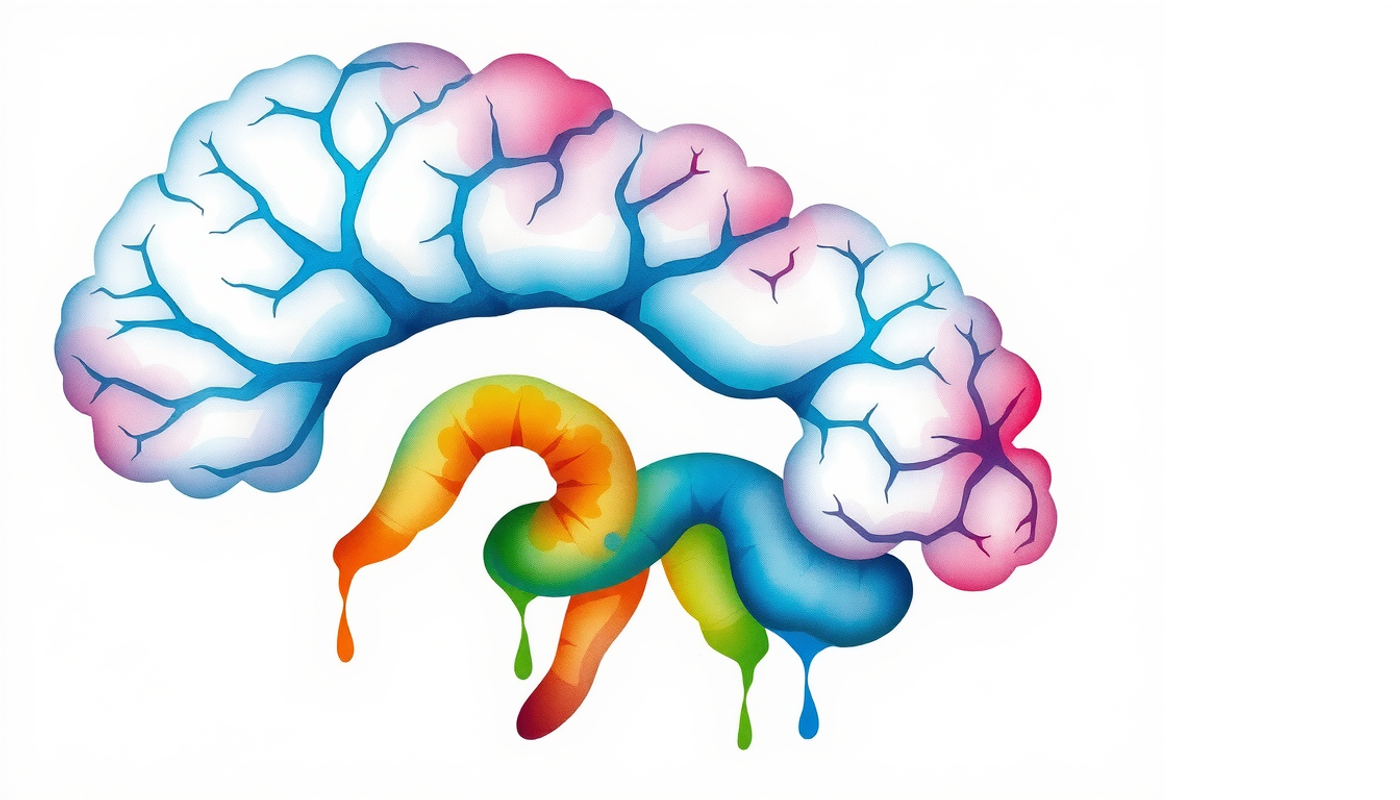
The hippocampus — that seahorse-shaped structure deep in the temporal lobe that serves as the brain's memory factory — appears to play a particularly important role. Gesa van den Broek and colleagues showed that posterior hippocampus activity scaled linearly with the number of successful retrievals, while anterior hippocampus activity emerged only after many practice tests [20]. The two subregions seem to contribute different things: detailed binding of specific memories (posterior) versus extraction of general patterns (anterior).
At the cellular level, these effects are almost certainly supported by long-term potentiation — LTP — the activity-dependent strengthening of connections between neurons. When a neuron repeatedly and successfully participates in retrieving a memory, the synapses involved in that circuit get stronger. They require less signal to fire. The memory becomes more accessible [21]. Retrieval practice, in this framework, is essentially a form of targeted synaptic exercise.
The Prediction Error Theory
The most exciting recent development in testing effect research may be a paper published in 2025 by Xiaonan Liu and colleagues at the National Institute of Mental Health. Using a combination of fMRI brain scanning and computational modeling, they proposed that the testing effect is a special case of predictive learning [22].
The idea is elegant. When you try to retrieve a memory, your brain generates a prediction — an internal guess about what the answer is. If that prediction matches the actual answer, a small signal confirms the existing memory trace. But if the prediction is wrong — if you struggle, hesitate, or recall incorrectly — the resulting prediction error generates a much stronger learning signal. The brain's dopaminergic system, centered in the ventral striatum and midbrain, responds to this mismatch by driving synaptic change.
Liu and colleagues showed that ventral striatum activity during retrieval practice scaled with the magnitude of prediction errors. The bigger the surprise — the larger the gap between what the brain expected and what it encountered — the stronger the neural response. And only a computational model that minimized prediction error could reproduce the full pattern of behavioral results.
This framework unifies several previously separate observations. It explains why harder tests produce more learning — they generate larger prediction errors. It explains why feedback is so important — it provides the correct answer that the brain needs to calculate its prediction error. And it explains why the benefit grows with delay — after a delay, retrieval strength has declined, making each retrieval attempt more effortful and error-prone, which generates larger learning signals.
It also connects the testing effect to a much broader principle in neuroscience: the idea that the brain is fundamentally a prediction machine, constantly generating expectations and updating them based on experience [23]. Testing, in this view, is simply the most efficient way to generate the prediction errors that drive learning.
Eight Theories, One Phenomenon
The prediction error account is the newest kid on the block, but it is far from the only theory. The testing effect has attracted at least eight different theoretical explanations, each capturing part of the truth. Understanding them matters, because they make different predictions about when testing will and will not work.
The elaborative retrieval theory, proposed by Shana Carpenter in 2009, argues that retrieval forces the brain to search broadly through semantic memory, activating related concepts and building new retrieval pathways that make the target memory more accessible in the future [24]. This explains why weak cues produce stronger testing effects than strong cues — they require more extensive searching.
The transfer-appropriate processing framework, originally from Morris, Bransford, and Franks in 1977, holds that memory performance depends on the match between encoding operations and retrieval operations [25]. Practicing retrieval aligns learning with the operations needed at the final test.
Robert and Elizabeth Bjork's New Theory of Disuse (1992) distinguishes between storage strength — how well an item is learned — and retrieval strength — how easily it can currently be accessed. Successful retrieval when retrieval strength is low produces the largest gains in storage strength. This is the formal reason why harder tests produce more durable learning.
The desirable difficulties framework, also from Bjork (1994), places the testing effect within a broader family of learning strategies that slow acquisition but improve long-term retention — including spacing, interleaving, and varying practice contexts [26].
The episodic context account, developed by Karpicke, Lehman, and Aue (2014), proposes that each retrieval attempt reinstates and updates the temporal context surrounding a memory, making future searches more efficient [27].
The retrieval effort hypothesis, from Pyc and Rawson (2009), states simply that more effortful retrievals — when successful — produce stronger memories [28].
The working-memory dual-process model, from Zheng, Shi, and Liu (2024), decomposes the testing effect into two phases: a retrieval-attempt phase that strengthens cue-target links, and a post-retrieval re-encoding phase that consolidates the retrieved answer. Critically, both phases require working-memory resources, predicting that learners with low working-memory capacity may not benefit as much from difficult retrieval [29].
None of these theories is complete on its own. The testing effect is almost certainly the product of multiple interacting mechanisms — effortful search, elaborative activation, context reinstatement, prediction error processing, and synaptic consolidation — working together.

What Makes It Work — And What Can Break It
The testing effect is well-established, but it is not unconditional. Several factors determine how large the benefit will be.
Feedback matters enormously. Andrew Butler and Henry Roediger showed in 2008 that feedback after multiple-choice tests eliminated the persistence of wrong answers that students had confidently endorsed [30]. Without feedback, incorrect retrievals can actually strengthen wrong memories. Interestingly, delayed feedback — provided hours or a day later — sometimes produces larger long-term gains than immediate feedback, possibly because the delay itself introduces additional retrieval practice.
Test format influences the size of the effect. Free recall — writing down everything you can remember without any cues — is the most effortful and produces the largest benefits. Cued recall falls in the middle. Recognition (multiple choice) produces the smallest effect, though it still helps [2]. The pattern is consistent with the retrieval effort hypothesis: harder retrieval yields stronger learning.
Timing is critical. The advantage of testing over restudy appears only after a delay. On immediate tests, restudy often wins — because recently re-read material is still fresh in short-term memory. The testing advantage emerges at delays of one to seven days and grows stronger with longer retention intervals [10]. This is why cramming feels effective but fades fast.
Spacing interacts with testing. Cepeda, Pashler, Vul, Wixted, and Rohrer showed in 2006 that the optimal gap between study sessions is roughly ten to twenty percent of the desired retention interval [31]. Combining spaced practice with retrieval practice produces the largest known gains in long-term retention.
Working-memory capacity sets a boundary. Zheng, Sun, and Liu demonstrated in 2023 that retrieval practice imposes real cognitive costs. Learners with abundant working-memory capacity benefit strongly. But learners with limited working-memory capacity may actually perform worse under difficult retrieval conditions, because the demands of searching memory consume resources needed for encoding the retrieved answer [32].
Age does not appear to limit the effect. Meyer and Logan (2013) showed that healthy older adults benefit from retrieval practice just as much as younger adults at delays up to two days [16]. The testing effect seems to be a fundamental property of human memory, not something restricted to young brains.

From Laboratory to Classroom
The testing effect is not just a laboratory curiosity. It works in real schools, real medical training programs, and real workplaces.
Mark McDaniel, Roediger, and colleagues brought the effect into a college classroom in 2007. In a web-based brain-and-behavior course, students who took weekly quizzes — either short-answer or multiple-choice — performed significantly better on unit exams and final exams than students in a no-quiz control condition [33]. Short-answer quizzes produced larger benefits than multiple-choice, consistent with the retrieval effort principle.
The most ambitious classroom study came in 2011, when Roediger, Agarwal, McDaniel, and McDermott embedded retrieval practice into a middle-school social studies class over an entire academic year [17]. Teachers used low-stakes clicker quizzes during lessons. At the end of the year, students showed significantly better retention of quizzed material compared to material that was only reviewed. The effect persisted on a delayed test administered months later.
In medical education, the stakes are higher and the results equally clear. Larsen, Butler, and Roediger (2008) showed that medical residents who practiced retrieving emergency medicine knowledge retained significantly more after six months than residents who only restudied the material [34]. A follow-up randomized controlled trial in 2009 confirmed the finding and extended it to longer retention intervals [35].
One of the most practical implications concerns test anxiety. Conventional wisdom holds that tests cause stress and undermine learning. But research suggests the opposite for low-stakes practice tests. Agarwal and colleagues (2014) found that frequent low-stakes quizzes actually reduced anxiety on high-stakes exams, apparently by familiarizing students with the retrieval process and providing early diagnostic feedback [36]. The problem is not testing itself. The problem is high-stakes, infrequent, feedback-free testing.
Despite this evidence, students rarely test themselves spontaneously. Karpicke, Butler, and Roediger surveyed college students in 2009 and found that most prefer rereading over self-testing [4]. Dunlosky and colleagues, in an influential 2013 review, rated practice testing and distributed practice as the two highest-utility study strategies among ten examined — yet found that both are dramatically underused [37].

Testing and Its Cousins
The testing effect does not exist in isolation. It belongs to a family of learning strategies that share a common principle: short-term difficulty produces long-term gain.
Spacing is the closest cousin. Instead of cramming all study into one session, distributing practice over days or weeks dramatically improves retention. Cepeda, Pashler, Vul, Wixted, and Rohrer (2006) synthesized data from over 800 experiments and found that the optimal inter-study interval depends on the desired retention interval — roughly ten to twenty percent of the time until the material is needed [31]. In a follow-up, Cepeda and colleagues (2008) showed that a single session of spaced practice produced retention gains that lasted up to a year [38].
Interleaving — mixing different problem types or topics within a single study session — adds another layer. Rohrer and Taylor showed that interleaving math problem types improved later test performance compared to blocking, even though blocked practice felt more productive in the moment [39].
The generation effect — the finding that self-generated information is remembered better than passively received information — is another close relative. Slamecka and Graf demonstrated in 1978 that generating a word from a partial cue (e.g., producing "fast" from "f_st") produces stronger memory than simply reading the complete word [40]. Retrieval practice can be seen as a special case of generation: the learner generates a previously studied answer from memory.
These principles have been formalized in modern spaced-repetition algorithms. The SM-2 algorithm, created by Piotr Woźniak in 1987, schedules review sessions so that each item is tested just before it would be forgotten. More recently, the open-source FSRS algorithm has refined this approach using a three-component memory model that optimizes review timing based on item difficulty, memory stability, and current retrievability [41]. These systems represent the practical engineering of the testing effect — translating a century of cognitive science into software that tells learners exactly when to test themselves.

The Limits of Testing
No learning strategy works perfectly in all situations. The testing effect has real boundary conditions, and intellectual honesty requires acknowledging them.
The most important limitation involves retrieval-induced forgetting — RIF. Anderson, Bjork, and Bjork demonstrated in 1994 that retrieving a subset of items from a category can actually suppress related but unretrieved items [42]. If you study ten facts about a topic but quiz yourself on only five, your memory for the other five may temporarily worsen. This effect is typically transient and is reduced when items are well integrated into a coherent knowledge structure, but it complicates classroom uses of partial-coverage quizzes.
Failed retrieval without feedback is another concern. When learners cannot retrieve an answer and receive no feedback, the testing benefit largely disappears. Worse, if they generate a wrong answer and believe it is correct, that error can become entrenched [30]. Feedback is not optional — it is essential, especially when initial success rates are low.
The working-memory constraint identified by Zheng and colleagues (2023) presents a practical challenge. For learners with limited working-memory capacity — which can include students under stress, sleep deprivation, or high cognitive load — the demands of effortful retrieval may exceed available resources, eliminating or even reversing the benefit [32].
Transfer limitations also deserve attention. Pan and Rickard's 2018 meta-analysis found that while the testing effect transfers to new questions about the same material (d = 0.40), transfer to entirely different knowledge domains is small and inconsistent [15]. Testing Spanish vocabulary will not improve your calculus. The benefit is real but domain-specific.
Finally, replication challenges exist. A recent 2026 study by Sigayret, Parmentier, and Silvestre, conducted as an online experiment on the Prolific platform, failed to replicate the standard testing effect under certain conditions [43]. This does not invalidate the phenomenon — the meta-analytic evidence is overwhelming — but it suggests that engagement, motivation, and task structure are non-trivial moderators that must be considered.

What Happens Next
The testing effect is not a closed chapter. Several frontiers are actively being explored.
The predictive learning framework from Liu and colleagues (2025) is the most promising new direction. If the testing effect is driven by prediction errors, it can be connected to a vast literature on reinforcement learning, dopaminergic signaling, and computational models of memory [22]. This could lead to more precise predictions about when and how testing should be implemented.
The pretesting effect — the finding that even unsuccessful guessing before exposure to material can enhance later memory — has generated a flurry of research since 2024 [44]. This is consistent with the prediction error account: guessing wrong creates a maximal prediction error, priming the brain for stronger encoding when the correct answer arrives.
A 2026 review in npj Science of Learning surveyed trends in testing effect research and identified a critical gap: almost all studies have been conducted with neurotypical university students [45]. How the testing effect operates in learners with ADHD, developmental language disorder, intellectual disabilities, or other neurodivergent profiles remains largely unknown. Early work suggests the effect may be smaller or require more scaffolding in these populations, but the evidence base is thin.
Far transfer remains a puzzle. Opitz and Kubik (2024) used artificial-language paradigms to show that retrieval practice can support inductive rule learning — a form of transfer that goes beyond memorizing specific items [46]. But the conditions under which this occurs are still being mapped.
And the relationship between the testing effect and emerging technologies — adaptive learning systems, AI-generated quizzes, and personalized spacing algorithms — presents both opportunities and risks. The science is clear about what works. The question is whether educational technology will implement it faithfully or distort it.

What This Means for Anyone Who Learns
The testing effect carries a message that is as practical as it is counterintuitive.
Reading is not studying. Highlighting is not learning. The feeling of familiarity is not the same as the ability to recall. The most effective way to move information from fragile short-term storage into durable long-term memory is to practice pulling it back out — even when that process is difficult, even when it fails, even when it feels unproductive.
A student preparing for an exam should spend more time with a blank page than with an open textbook. A medical resident trying to remember drug interactions should quiz herself in the elevator, not re-read the pharmacology chapter. A language learner should cover the translation column and try to produce the word from memory, not simply review the vocabulary list.
The science also suggests specific guidelines. Testing should be frequent and low-stakes, not rare and high-pressure. Feedback should be provided — ideally after a brief delay, which adds an extra retrieval opportunity. Test formats should vary, with emphasis on formats that require generation rather than recognition. And testing should be combined with spacing, so that retrieval attempts occur days and weeks after initial learning, not just minutes.
Perhaps the most important implication is metacognitive. The reason most people do not use retrieval practice is that it feels harder and less effective than re-reading. It feels like failure. But that feeling of struggle is not a sign that learning is failing. It is a sign that learning is working. Every prediction error, every moment of effortful search, every incomplete recall — these are the signals that drive synaptic change and build the durable knowledge structures that will be there when they are needed.
Francis Bacon knew this four hundred years ago. Now science has shown us exactly why he was right.

Frequently Asked Questions
What is the testing effect in psychology?
The testing effect is the finding that actively retrieving information from memory strengthens long-term retention more than passively restudying the same material. It has been confirmed in hundreds of experiments across diverse populations and settings, with meta-analyses showing medium-to-large effect sizes around d = 0.50 to 0.61.
Is self-testing better than re-reading notes?
Research consistently shows that self-testing produces significantly better long-term retention than re-reading. In the landmark Roediger and Karpicke (2006) study, students who tested themselves retained fifty percent more material after one week compared to students who spent equal time re-reading. The benefit appears specifically after a delay, not immediately.
Does the testing effect work without feedback?
The testing effect is strongest when feedback is provided after retrieval attempts. Without feedback, the benefit is smaller and there is a risk of strengthening incorrect memories. Delayed feedback may produce even larger long-term gains than immediate feedback, because the delay itself creates an additional retrieval opportunity.
Can retrieval practice help with understanding, not just memorization?
Yes. Karpicke and Blunt (2011) showed in Science that retrieval practice outperformed elaborative concept mapping not only on factual questions but also on inference questions requiring deeper understanding. Butler (2010) demonstrated that retrieval practice also promotes transfer to new contexts and related knowledge domains.
Why do students prefer re-reading over testing themselves?
Students consistently underestimate the benefits of retrieval practice because re-reading creates a fluent feeling of familiarity that is mistaken for genuine learning. Karpicke, Butler, and Roediger (2009) found that most college students prefer re-reading, even though self-testing is demonstrably more effective for durable retention.


