Introduction
A phone buzzes on the desk. The screen lights up for three seconds. You glance at it, decide it can wait, and look back at your textbook. Total interruption: maybe four seconds.
Except it was not four seconds. A 2026 study published in Computers in Human Behavior found that a single smartphone notification slows cognitive processing for roughly seven seconds, even when the recipient does not touch the phone [1]. And the recovery does not end there. Gloria Mark's field research at UC Irvine measured the full cost of a non-trivial interruption at twenty-three minutes and fifteen seconds before the original task is fully resumed [2]. Multiply that by the forty-six to eighty-eight notifications the average person receives per day, and you begin to see the problem.
But lost time is the shallow part of this story. The deeper problem is what notifications do to the brain circuits responsible for forming memories. Research using fMRI has shown that distraction during learning literally reroutes the neural pathway through which information is stored, shifting it from the hippocampus (where flexible, transferable knowledge lives) to the striatum (where rigid, habit-based responses live) [3]. The student who studies with notifications on is not just learning less. They are learning differently. Worse.
This article traces the full chain of damage, from the millisecond the notification sound hits the auditory cortex to the overnight sleep disruption that prevents memories from consolidating. It draws on peer-reviewed neuroscience, cognitive psychology, and educational research. No product recommendations. No productivity tips dressed up as science. Just the evidence for what constant interruption does to the learning brain, and what the research says about stopping it.
What Forty-Six to Eighty-Eight Daily Interruptions Look Like
Before going deeper into the neuroscience, it helps to have the numbers in front of you.
Industry surveys estimate the average smartphone user receives between forty-six and eighty-eight push notifications per day, with heavy users exceeding two hundred. People unlock their phones roughly ninety-six to one hundred and eighty-six times per day in U.S. samples, touching the screen an estimated 2,617 times. Teens check their phones over eighty times daily. Most people check their phone within ten minutes of waking up. About half report checking it during the night.
These are not study-session numbers. They are all-day numbers. But the critical question is what happens when those same notification patterns follow someone into a study session. If even a fraction of those alerts arrive while a student is trying to encode new information, the cumulative damage adds up fast.
The Orienting Response: An Ancient Reflex Hijacked
Your brain did not evolve to ignore unexpected sounds. It evolved to drop everything and pay attention to them.
The orienting response is one of the oldest reflexes in the vertebrate nervous system. When a sudden stimulus appears, the superior colliculus, a structure in the midbrain that integrates auditory, visual, and somatosensory input, fires within milliseconds [4]. It triggers an involuntary head-and-eye turn toward the source. The posterior parietal cortex and the temporo-parietal junction amplify the signal. The dorsolateral prefrontal cortex begins reconfiguring task-set representations to deal with the new stimulus.
All of this happens before you consciously decide whether to check your phone.
The reflex made perfect sense on the savanna. A rustle in the grass might be a predator. A sudden call might signal food. The cost of ignoring a genuine threat was death. The cost of investigating a false alarm was a few seconds of wasted attention. Evolution optimized for the first scenario. And now that same circuitry fires dozens of times per day in response to app badges and promotional emails.
EEG studies have confirmed that personally meaningful notification sounds produce automatic mismatch negativity and enhanced P3a components in the brain, markers of obligatory attentional capture [5]. A 2026 bioRxiv preprint showed that personalized smartphone sounds bias auditory salience across multiple processing stages, with the strength of the bias proportional to the individual's problematic-use score. The notification is not something you choose to notice. Your brain notices it for you, whether you want it to or not.
What makes this worse is a phenomenon called attentional residue. Sophie Leroy at the University of Washington demonstrated experimentally that when people switch from Task A to Task B, cognitive activity about Task A persists and undermines performance on Task B [6]. The residue lingers. For a student, this means that a "just one second" glance at a notification leaves measurable cognitive traces that impair the encoding of whatever comes next. The glance is over. The damage is not.
Task-Switching and the Twenty-Three-Minute Myth
Mark's twenty-three-minute figure is probably the most cited statistic in the distraction literature. It deserves some context.
In her 2008 CHI conference paper, Mark and colleagues tracked information workers in their natural environment with observers coding every activity switch. They found that after an interruption, workers resumed the original task the same day 81.9 percent of the time, but only after an average of twenty-three minutes and fifteen seconds and roughly two intervening tasks [2]. This is a field study of knowledge work, not a controlled laboratory experiment. The number represents the mean time to re-engagement across all types of interruptions, including conversations with colleagues and self-initiated breaks.
For brief notification-style interruptions, the cost is smaller but still real. Altmann, Trafton, and Hambrick showed in a carefully controlled 2014 experiment that interruptions lasting just 2.8 seconds were sufficient to double the error rate on a sequential procedural task [7]. And Stothart, Mitchum, and Yehnert found in 2015 that merely receiving a notification, without responding to it, produced performance decrements on a sustained-attention task comparable in magnitude to actually using the phone [8]. The effect sizes were Cohen's d of 0.54 to 0.72 for commission errors.
So the twenty-three minutes is not a per-notification cost. But the per-notification cost is not zero either. Seven seconds of cognitive slowdown. Doubled error rates from sub-three-second interruptions. Measurable attentional residue from unanswered alerts. These add up. And for a student trying to encode new material into long-term memory, each interruption chips away at the neural processes that make learning stick.
How Distraction Rewires the Memory System
This is where the story turns from annoying to alarming.
In 2006, Karin Foerde, Barbara Knowlton, and Russell Poldrack published a study in PNAS that should be required reading for anyone who studies with their phone nearby [3]. They had participants learn a probabilistic classification task under two conditions: single-task (full attention) and dual-task (with a simultaneous auditory distraction). Both groups performed similarly during training. The distracted group appeared to have learned the material just as well.
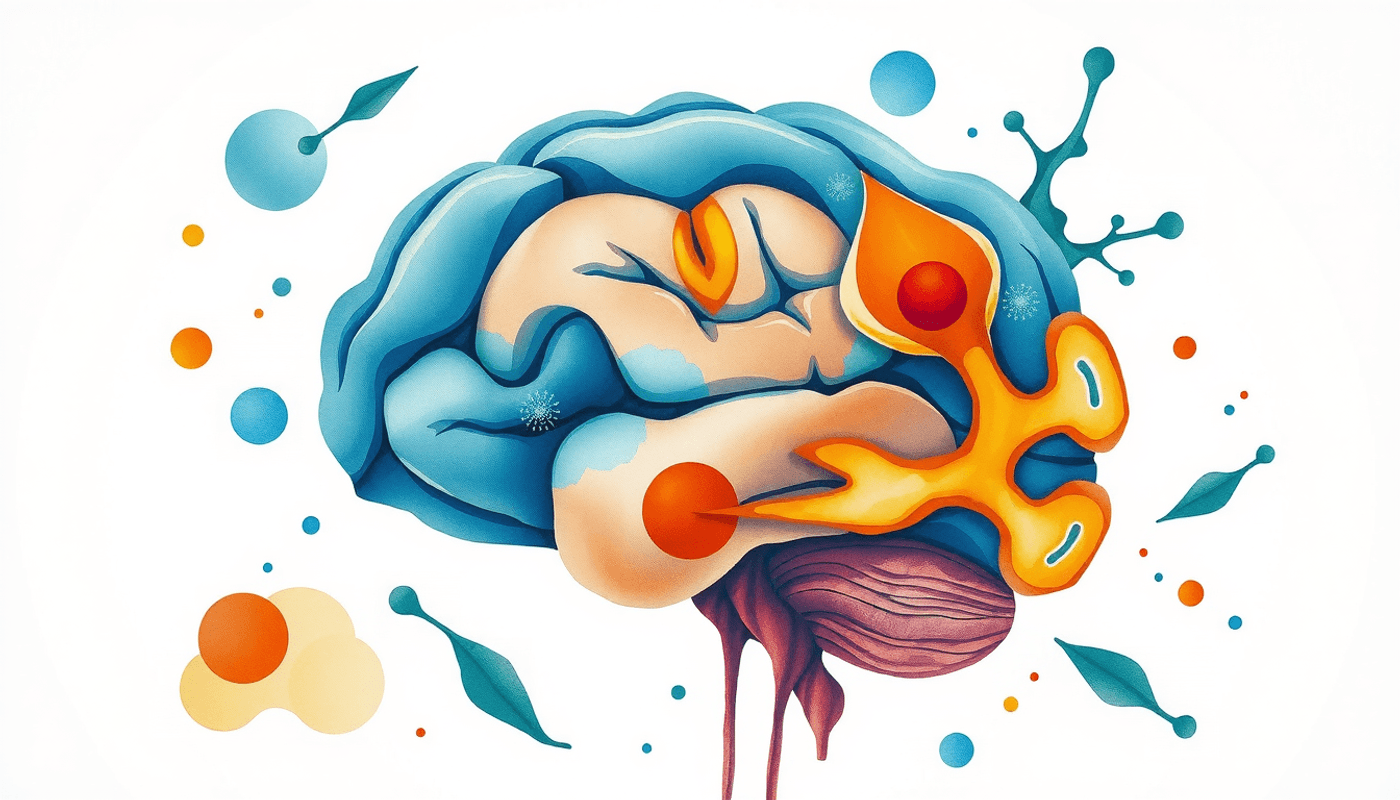
But the fMRI data told a different story. In the single-task condition, learning activated the medial temporal lobe, specifically the hippocampus, the brain's center for declarative memory. Declarative memory is the kind of knowledge you can consciously recall, explain, and apply flexibly to new situations. In the dual-task condition, learning shifted to the striatum, a subcortical structure associated with habit learning. Habit memory is rigid. It works well for rote procedures but poorly for flexible application.
When participants were later tested in a way that required flexible use of their knowledge, the dual-task group performed significantly worse. They had learned something, yes. But they had learned it in a way that could not be transferred, adapted, or built upon. They had acquired rigid habit traces instead of flexible declarative knowledge.
Think about what this means for a medical student reviewing pharmacology, or a law student trying to understand constitutional precedent, or anyone using spaced repetition and active recall to build deep understanding. The goal of serious study is not just to recognize material on a multiple-choice test. It is to build knowledge that can be accessed, combined, and applied in novel situations. Distraction during encoding undermines exactly that capacity.
Working Memory: A Bottleneck Under Siege
The reason notifications are so damaging during study has a lot to do with working memory's limited capacity.
Baddeley and Hitch proposed their model of working memory in 1974, and Baddeley refined it in 2000 with the addition of an episodic buffer [9]. The model describes a central executive that coordinates a phonological loop (for verbal information) and a visuospatial sketchpad (for spatial and visual information). The critical point is that the central executive has a hard capacity limit. Nelson Cowan's refinement places effective working-memory capacity at around three to four chunks [10].
Notifications consume central-executive resources whether or not they are answered. The brain has to detect the stimulus, categorize it, assess its relevance, decide whether to act on it, and then attempt to reinstate the prior task set. Each of those operations draws on the same limited pool of executive attention that the student needs for encoding new material.
Ward, Duke, Gneezy, and Bos demonstrated this in a landmark 2017 study published in the Journal of the Association for Consumer Research [11]. They tested participants on operation-span (a working-memory task) and Raven's progressive matrices (a measure of fluid intelligence) under three conditions: phone on the desk face down, phone in a bag, phone in another room. Even with the phone on silent and face down, participants in the desk condition performed roughly ten percent worse than those with the phone in another room.
The phone did not ring. It did not vibrate. It did not flash. It was just there. And its mere presence drained working-memory capacity. A meta-analysis of twenty-two studies confirmed this "brain drain" effect as small but reliable [12].
For a learner, this means that the phone on the desk is not a neutral object waiting for the next break. It is an active cognitive load, silently consuming resources that could otherwise be used for schema construction, elaboration, and encoding.
Dopamine Loops and the Compulsion to Check
Notifications are the textbook variable-ratio reinforcement schedule.
Wolfram Schultz's foundational work on dopamine prediction errors established that dopamine neurons in the ventral tegmental area fire most strongly in response to unpredicted rewards and to cues that predict rewards [13]. The mesolimbic pathway projects from the VTA to the nucleus accumbens, creating the anticipation-seeking loop that drives motivated behavior.
Most notifications are mildly rewarding but unpredictably so. Sometimes it is a message from a friend. Sometimes it is a promotional email. Sometimes it is breaking news. This unpredictability is precisely what produces the most resistant operant behavior, the same schedule that makes slot machines addictive.
Wilmer, Hampton, Olino, Olson, and Chein used diffusion-weighted imaging to show that heavier smartphone engagement is associated with weaker frontostriatal white-matter connectivity, predicting steeper delay discounting, an index of impaired self-regulation [14]. In other words, heavy phone use is not just correlated with poor impulse control. It is associated with measurable differences in the brain's self-control infrastructure.
For a learner, the educational consequence is that the dopaminergic anticipation of a possible message competes directly with the slower, less exciting intrinsic reward of mastering a difficult concept. The buzz of "what if someone texted me?" is neurochemically louder than the satisfaction of understanding a new idea. And each time the student gives in and checks, the conditioning strengthens.

Cortisol, the Amygdala, and the Stress of Being Always On
Each unexpected alert has the potential to trigger a brief activation of the hypothalamic-pituitary-adrenal axis. Whether a single text message reliably raises salivary cortisol is debated [15]. But the chronic state of notification-readiness is a different matter. In adolescents with excessive smartphone use, Chun and colleagues reported higher cortisol concentrations correlated with reduced orbitofrontal-nucleus accumbens connectivity [16].
Cortisol's effects on the hippocampus are well established. Lupien and colleagues showed in a seminal 1998 Nature Neuroscience paper that prolonged cortisol elevation predicts hippocampal atrophy and declarative-memory deficits [17]. Kim and Diamond reviewed how stress hormones acutely impair hippocampal long-term potentiation, the cellular mechanism that converts short-term traces into durable memories [18]. The amygdala, sensitized by repeated alarm-like alerts, modulates hippocampal encoding through basolateral projections [19].
The picture that emerges is this: a student in a chronically notification-heavy environment is not just distracted. Their stress system is subtly but persistently activated, and this activation works against the very hippocampal circuitry they need for learning. It is not a dramatic cortisol spike from a single text. It is the low-grade, ongoing alertness of a brain that has learned to expect interruption at any moment.
Cognitive Load Theory and the Notification Tax
John Sweller's cognitive load theory provides a useful framework for understanding why notifications are so destructive during study [20].
The theory divides working-memory load into three types. Intrinsic load comes from the difficulty of the material itself. Extraneous load comes from poor instructional design or irrelevant distractions. Germane load is the productive cognitive effort directed at building schemas and mental models.
Notifications are pure extraneous load. They consume central-executive resources without contributing anything to schema acquisition. And because working memory is a zero-sum system, every unit of capacity diverted to notification monitoring is subtracted directly from germane processing.
Skulmowski and Xu extended the framework to digital learning environments in a 2022 review and explicitly identified push notifications among the design factors that elevate task-irrelevant cognitive load [20]. The practical implication is straightforward. If you want to maximize learning, you want to minimize extraneous load. And turning off notifications is one of the single most effective things a student can do to shift their cognitive budget from extraneous waste to productive learning.
The Zeigarnik Effect: Why Unanswered Notifications Are Worse Than You Think
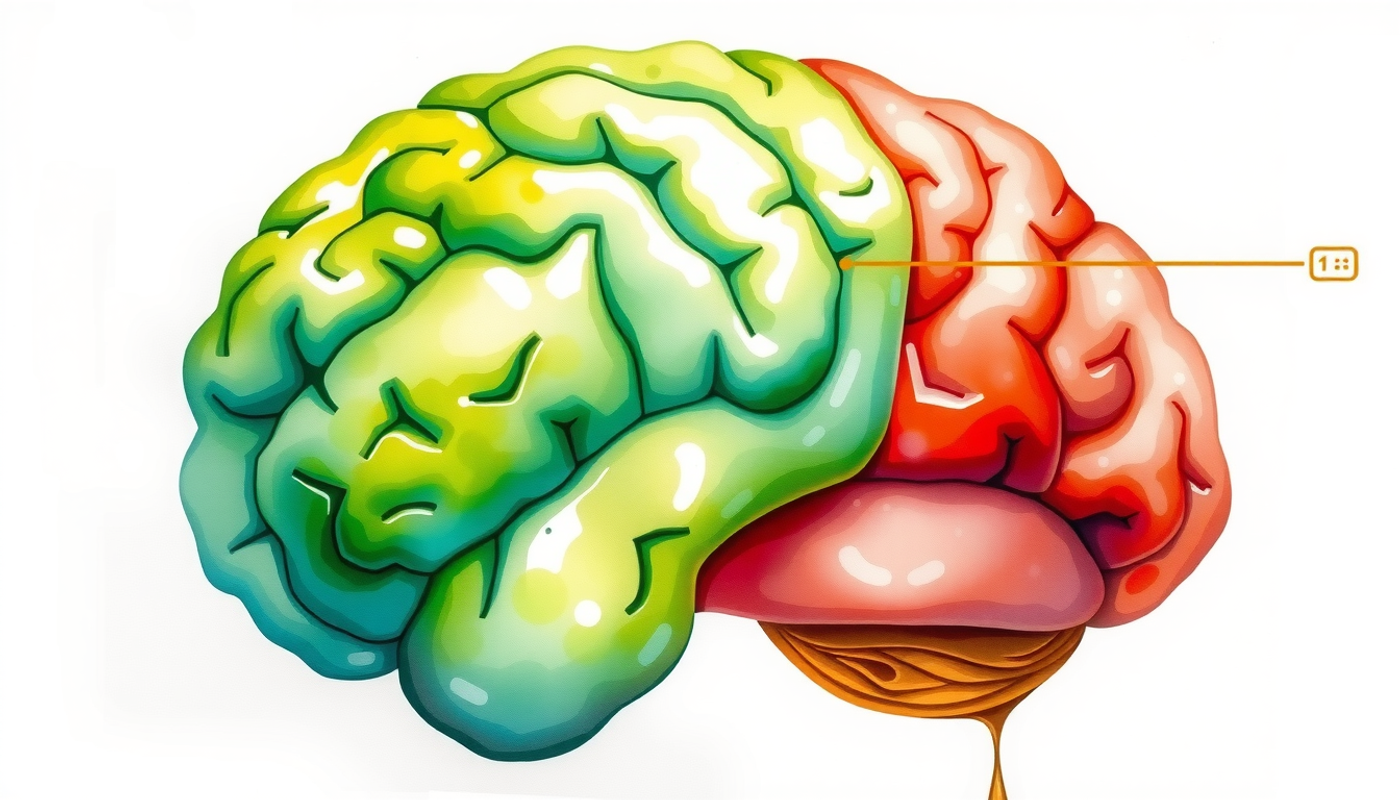
Bluma Zeigarnik's 1927 finding that interrupted tasks are recalled roughly twice as well as completed ones pointed to something important about how the brain handles unfinished business. Modern reformulations by Masicampo and Baumeister showed that unresolved goals produce intrusive thoughts and performance decrements on unrelated tasks until the goals are either completed or concretely planned [21].
A glanced-but-unanswered notification creates exactly this kind of open loop. The mental representation "I have a message I haven't read" remains active, occupying a working-memory slot and competing with study material. Stothart and colleagues attributed their notification effects partly to this mechanism: the content of the missed message becomes the target of mind-wandering, which damages sustained attention more than the alert itself [8].
This has a brutal implication for anyone who thinks they can just "ignore" notifications during study. The notification you ignore does not go away inside your brain. It becomes an open loop that siphons cognitive resources from your actual task. And flow states, which require uninterrupted phenomenological closure, become impossible to sustain with a queue of pending notifications silently competing for attention.
Sleep, Screens, and the Consolidation Problem
Memory does not end when the study session ends. The transfer of information from hippocampal short-term storage to long-term neocortical networks happens primarily during sleep, specifically during slow-wave sleep, through a coordinated replay involving hippocampal sharp-wave ripples, thalamocortical spindles, and cortical slow oscillations [22].
Evening smartphone use threatens this process from two directions. First, the short-wavelength light from phone screens suppresses pineal melatonin secretion and shifts circadian phase. Chang and colleagues showed this in a controlled PNAS study in 2015 [23]. Second, Hohn and colleagues compared adolescents and young adults reading on smartphones versus paper books for ninety minutes before sleep and found that melatonin was significantly attenuated in both age groups, with adults showing reduced slow-wave sleep in the first quarter of the night [24].
Beyond the light, the mere prospect of incoming notifications keeps the brain in a vigilance state. A phone on the nightstand receiving alerts produces micro-arousals even when the user does not consciously wake, fragmenting the sleep architecture necessary for memory consolidation. A learner who studies well during the day but sleeps with notifications enabled is undermining the consolidation phase that should cement earlier work. For anyone serious about learning through spaced repetition algorithms, this matters: the spacing effect depends on consolidation between sessions, and poor sleep degrades exactly that process.
Who Suffers Most: Individual Differences in Vulnerability
Not everyone is equally affected. Several factors modulate how damaging notifications are for a given learner.
Kushlev, Proulx, and Dunn randomly assigned 221 participants to a week of maximum versus minimum phone interruptions and found that participants in the high-interruption condition reported significantly elevated inattention and hyperactivity symptoms, with downstream effects on productivity and well-being [25]. For individuals with ADHD, whose prefrontal inhibitory control is already taxed, notifications can be catastrophically disruptive.
Adolescents face a double vulnerability. Their prefrontal cortex, the seat of impulse control, is still maturing, while their reward sensitivity is at its developmental peak [26]. This combination makes them both more reactive to notification cues and less able to resist them.
Heavy media multitaskers, people who habitually juggle multiple information streams, actually perform worse on filtering, working-memory, and task-switching measures than light multitaskers. Ophir, Nass, and Wagner demonstrated this in a widely cited 2009 PNAS study [27]. The finding is counterintuitive. You might expect people who multitask frequently to get better at it. Instead, they get worse. Their brains become more susceptible to irrelevant stimuli, not less.
And then there is phantom vibration syndrome, the sensation that your phone is vibrating when it is not, reported by sixty to ninety percent of heavy users. It illustrates the degree to which the perceptual system has been conditioned by notification cues. The brain has literally rewired itself to hallucinate alerts.
The Classroom Evidence: What Happens When Phones Go Away
The most persuasive evidence for the harm of notifications comes from studies that remove the source entirely.
Beland and Murphy analyzed the effects of mobile phone bans in schools across four English cities and found that students in ban schools showed average test-score gains equivalent to 6.4 percent of a standard deviation on GCSE exams, with low-achieving students gaining 14 percent of a standard deviation [28]. Abrahamsson, in a Norwegian middle-school study, reported math performance gains of approximately 0.22 to 0.25 standard deviations for girls. And Sungu, Choudhury, and Bjerre-Nielsen conducted a randomized controlled trial with nearly 17,000 university students and found a 0.086 standard deviation average grade gain from in-class phone collection, concentrated among lower-performing, first-year, and non-STEM students [29].
These are not enormous effects. But they are consistent across studies, countries, and age groups. And they come from the simplest possible intervention: taking the phone away. Not teaching self-control. Not installing focus apps. Not giving motivational talks about distraction. Just removing the source of the interruption.
Reading comprehension and mathematical problem-solving, tasks that require sustained working-memory engagement, are among the abilities most degraded by notification exposure. A distraction-free study environment is not a luxury. It is a prerequisite for the kind of deep encoding that serious learning demands.
The Evolutionary Mismatch
The concept of evolutionary mismatch helps explain why willpower alone is not enough.
Ohman and Mineka documented an evolved fear-and-attention module that prioritizes salient stimuli. Li, van Vugt, and Colarelli formalized the mismatch framework: psychological mechanisms that were adaptive in ancestral environments can become maladaptive in novel digital ones [30]. The orienting reflex, tuned over hundreds of thousands of years to respond to rare, potentially life-threatening events, now fires a hundred times a day in response to promotional emails.
This is not a willpower problem. It is a hardware problem. Pre-attentive processing in the superior colliculus and amygdala commits resources before conscious decision-making engages. The most effective mitigation, as the classroom studies show, is environmental. Remove the trigger. Do not rely on the prefrontal cortex to override millions of years of evolution, because it cannot do so reliably.
What the Evidence Says About Protection
The research points consistently toward environmental solutions over motivational ones.
Silencing the phone reduces ADHD-like symptoms within a week [25]. But silencing is not enough. Ward and colleagues showed that placing the phone in another room, not merely on silent, yields the largest cognitive recovery [11]. Tanil and Yong found significantly higher recall accuracy in undergraduates studying without a phone present than with one present [31].
Fitz and colleagues showed in 2019 that batching notifications to three times per day improved well-being and reduced perceived inattention with a moderate effect size, while preserving information access [32]. The lesson is to schedule notifications rather than eliminate them, exploiting the prefrontal cortex's strength at top-down control while protecting it from exogenous capture.
Time-blocked focus protocols have limited but generally positive support. A 2025 scoping review in BMC Medical Education of thirty-two studies covering 5,270 participants found that the Pomodoro technique (twenty-five-minute focused intervals with five-minute breaks) supports sustained attention, particularly for high-cognitive-load material [33].
And sleep hygiene: removing devices from the bedroom or enabling Do Not Disturb from one hour before bed protects melatonin secretion and slow-wave sleep, thereby protecting the consolidation of the day's learning [24].
The consistent thread across all these findings is that the most reliable protection against notification-driven learning loss is environmental design, not individual self-control.
What Remains Uncertain
Intellectual honesty requires noting where the evidence is strong and where it has limits.
Effect sizes in the phone-presence literature are typically small to moderate, and there is meaningful cross-study variation. Some replications of the mere-presence brain-drain effect have failed [34]. The "twenty-three-minute" figure is from one influential field study and represents a population mean for task re-engagement after all types of interruptions, not a fixed neurobiological constant. The seven-second figure from Fournier and colleagues is from a 2026 study and awaits independent replication.
The dopamine narrative is often oversimplified. Dopamine is best understood as a reward-prediction-error signal, not a pleasure chemical. The comparison between notifications and slot machines is partly metaphorical. The reinforcement schedule is similar, but the neural-circuit equivalence is not exact.
Cortisol studies are mixed. While chronic notification environments are associated with stress-system changes, controlled experiments delivering single notifications sometimes find no acute cortisol response [15]. The popular claim that every notification spikes cortisol overstates the evidence.
And cross-sectional brain-imaging studies of heavy phone users cannot establish whether digital engagement caused the observed differences or whether pre-existing traits selected those individuals into heavy use. The school-ban studies and RCTs provide stronger causal evidence, but they measure academic performance broadly, not specific memory mechanisms.
None of this weakens the central conclusion. It simply means the story is more nuanced than viral headlines suggest.
Conclusion
The evidence converges on a clear picture. Notifications fragment learning through at least four interlocking mechanisms: attentional capture driven by the orienting response, dopaminergic conditioning that generates compulsive checking, cortisol-mediated stress that compromises hippocampal encoding, and Zeigarnik-style open loops that occupy working memory even when the notification goes unanswered. Evening notifications additionally degrade the sleep architecture necessary for memory consolidation.
The most reliable defense is not willpower, mindfulness apps, or productivity tricks. It is environmental design. Phone in another room during study. Notifications batched to a few times per day. Devices out of the bedroom before sleep. These interventions are simple, free, and supported by converging evidence from cognitive neuroscience, educational psychology, and randomized controlled trials.
Every notification you receive during study costs more than a glance. It costs a piece of the neural architecture that turns information into knowledge.

Frequently Asked Questions
How long does it take to regain focus after a phone notification?
Research shows recovery depends on the interruption type. Gloria Mark's field study found an average of twenty-three minutes for full task re-engagement after substantial interruptions. For brief notification-style alerts, the cognitive slowdown lasts roughly seven seconds, but attentional residue can persist much longer, degrading encoding quality for minutes afterward.
Can you study effectively with your phone on silent?
Putting your phone on silent helps, but research by Ward and colleagues found that the mere visible presence of a smartphone on the desk reduces working-memory capacity and fluid intelligence by roughly ten percent compared to having it in another room. Physical removal outperforms silencing.
Do notifications affect memory or just concentration?
Both. Foerde and colleagues showed that distraction during learning shifts the brain from hippocampal declarative memory to striatal habit memory. The result is knowledge that is less flexible and harder to apply in new situations. Notifications do not just break focus. They change how the brain stores information.
Are some people more affected by notifications than others?
Yes. Individuals with ADHD, adolescents with still-developing prefrontal cortex, and heavy media multitaskers show steeper cognitive decrements from notifications. Personality traits like nomophobia and high reward sensitivity also predict greater vulnerability to notification-driven distraction.
Does checking your phone before bed affect learning?
Yes. Evening smartphone use suppresses melatonin and reduces slow-wave sleep, the sleep stage critical for transferring memories from the hippocampus to long-term cortical storage. Hohn and colleagues found measurable reductions in both melatonin and deep sleep from ninety minutes of pre-sleep phone use.