Introduction
Something peculiar happens when antibiotics wipe out bacteria in a mouse's intestines. The animal forgets. It fumbles tasks it mastered days earlier. Its hippocampus, the seahorse-shaped structure deep in the brain where memories are formed, produces fewer new neurons. And its blood levels of BDNF, a protein that fuels learning and synaptic flexibility, drop [1]. The gut-brain axis and cognition are linked through mechanisms that, twenty years ago, most neuroscientists would have dismissed as implausible. The idea that trillions of bacteria living in the colon could shape how clearly a person thinks, how quickly they process information, or how reliably they recall a name sounded more like folk medicine than science. It does not sound that way anymore. A 2025 meta-analysis pooling fifteen randomized controlled trials and 994 participants found that probiotic supplementation produced a statistically significant improvement in cognitive function, with an effect size of 0.57 [2]. That number is modest. It will not turn a struggling student into a genius. But it is real, reproducible, and rooted in biology that researchers are mapping with increasing precision. This article traces the science behind that biology. Not the vague claim that "gut health matters for the brain." The actual pathways: which molecules travel where, which neurons fire in response, which cognitive functions improve and which do not, and what the clinical trials from 2024 to 2026 actually show.
The Cable That Runs From Gut to Brain
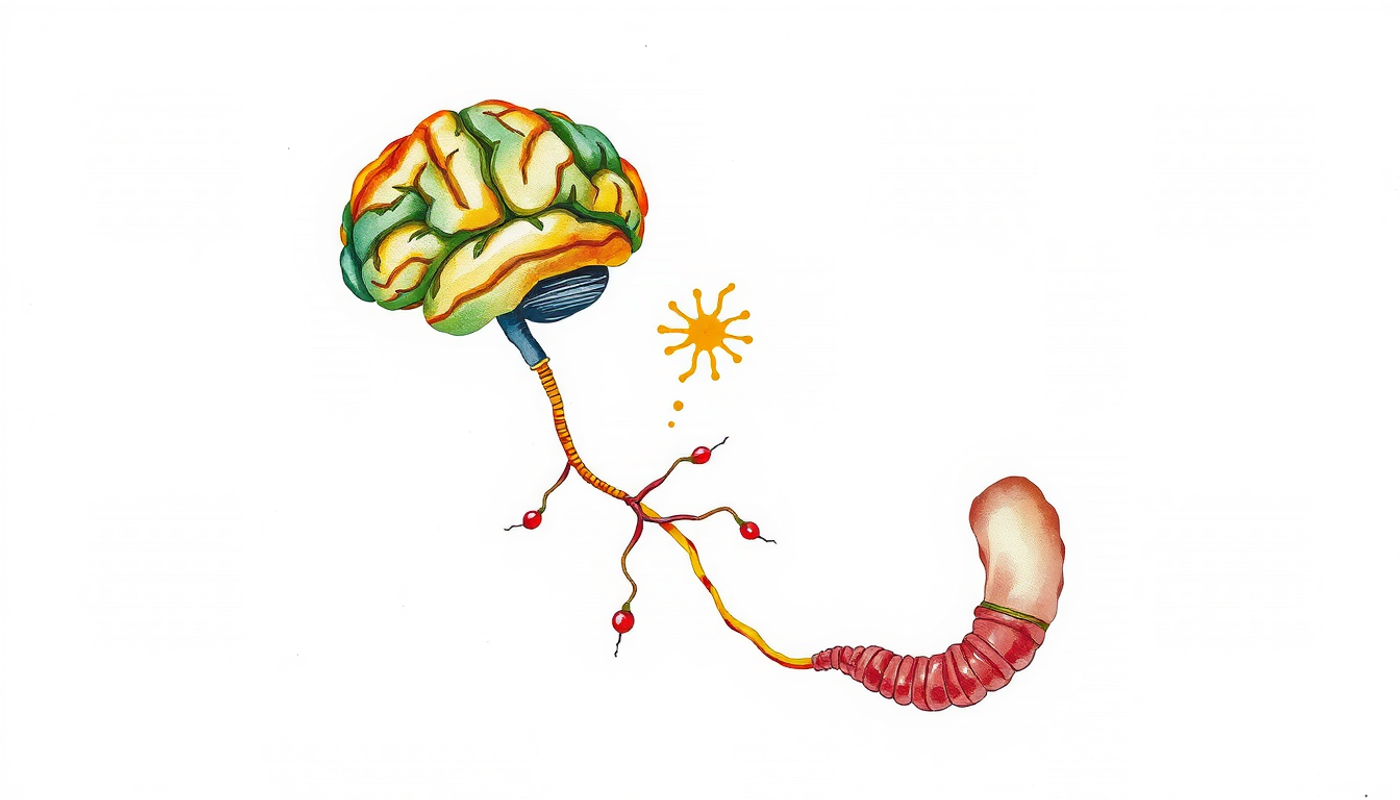
The vagus nerve is the longest cranial nerve in the body. It winds from the brainstem down through the neck, past the heart, through the lungs, and into the gut, where it branches into a dense web of fibers that wrap around the intestines. About 80 percent of its fibers are afferent, meaning they carry information upward, from gut to brain [3]. The gut talks to the brain far more than the brain talks to the gut.
For decades, researchers assumed vagal signaling from the intestines was limited to hunger and nausea. The nerve told the brain when the stomach was full or when something toxic needed to come back up. Useful but boring. Then came the experiments that changed that picture.
In 2024, Onimus and colleagues demonstrated that the vagal connection between gut and brain directly influences the physical structure of memory circuits. Using precise surgical techniques, they showed that disrupting the vagal pathway reduced the density of dendritic spines in the hippocampus, the tiny protrusions on neurons where synaptic connections form. Both long-term potentiation and long-term depression, the two cellular mechanisms of learning, were impaired [4].
A 2026 study published in Nature Communications went further. Researchers found that nutrient consumption triggers a specific vagal signal that reaches the medial septum, a region deep in the brain that releases acetylcholine, a neurotransmitter critical for attention and memory encoding. The acetylcholine floods the hippocampus and enhances memory formation. When the researchers severed the vagus nerve below the diaphragm, the entire chain collapsed. Nutrients still entered the gut. But the memory-boosting signal never reached the brain [5].
What does this mean in practical terms? It means the act of eating is not just fueling the brain with glucose. The physical presence of nutrients in the gut sends a direct neural signal, through the vagus nerve, that primes the hippocampus to learn. An early-life Western diet, high in fat and sugar, blunted this signal in the same study. The pathway existed but functioned poorly.
The vagus nerve is not the only route. Hormones travel through the bloodstream. Immune molecules cross from gut to brain. But the vagus is the fastest lane, delivering information in milliseconds rather than minutes. And its role in cognition is no longer theoretical.
The Molecules That Feed Your Neurons
When bacteria in the colon ferment dietary fiber, they produce short-chain fatty acids, or SCFAs. Three dominate: acetate, propionate, and butyrate, together accounting for more than 95 percent of colonic SCFAs. The human gut produces roughly 500 to 600 millimoles of these molecules daily [6].
For years, SCFAs were considered a local fuel source for cells lining the colon. Butyrate, in particular, powers colonocytes, the cells that form the intestinal barrier. But research over the past decade has revealed that SCFAs do far more. They enter the bloodstream. Small amounts cross the blood-brain barrier. And once inside the brain, they influence neurotransmitter production, inflammation, and the growth of new neural connections.
Butyrate upregulates BDNF, brain-derived neurotrophic factor, in the hippocampus [7]. BDNF is not a minor player. It drives the growth of new synapses, supports the survival of existing neurons, and enables the synaptic plasticity that makes learning physically possible. Without adequate BDNF, long-term potentiation falters and memory consolidation slows.
SCFAs also regulate the production of serotonin and dopamine by modulating the enzymes tryptophan hydroxylase 1 and tyrosine hydroxylase [6]. They suppress the NF-κB inflammatory pathway. And they support microglial maturation, keeping the brain's immune cells in a surveillance state rather than an aggressive inflammatory one.
A 2025 review in the Annals of the New York Academy of Sciences confirmed that SCFAs protect the blood-brain barrier, the selective membrane that prevents toxins and pathogens from entering the brain. In germ-free mice, the blood-brain barrier is abnormally permeable, with reduced expression of tight-junction proteins claudin-5 and occludin. Supplementing these mice with butyrate and propionate restores barrier integrity [8]. The same review reported improved barrier integrity in rhesus monkeys receiving SCFA supplementation.
The practical chain is surprisingly direct. Eat a leek. Bacteria in the colon ferment its inulin fiber into butyrate. Butyrate enters the blood, crosses the blood-brain barrier, and increases BDNF in the hippocampus. The hippocampus becomes slightly more plastic, slightly more capable of encoding new memories. No single leek transforms cognition. But the cumulative absence of fiber-derived SCFAs creates a measurable deficit.

The Serotonin Myth That Needs Correcting
One of the most repeated claims about the gut-brain axis is misleading. The claim goes: "The gut produces 95 percent of the body's serotonin, so gut health directly controls mood and cognition." The first half is true. Enterochromaffin cells lining the intestinal wall do produce approximately 95 percent of total-body serotonin [9]. The second half is an oversimplification that borders on false.
Gut-derived serotonin does not cross the blood-brain barrier. The brain synthesizes its own serotonin from tryptophan using a different enzyme (tryptophan hydroxylase 2, expressed in brainstem raphe nuclei) than the gut uses (tryptophan hydroxylase 1). The serotonin in your intestines and the serotonin in your brain are produced independently.
So how does the gut's serotonin metabolism affect cognition? Indirectly. Of dietary tryptophan, roughly 85 percent enters the kynurenine pathway in the liver and immune cells, about 5 percent becomes serotonin and melatonin, and approximately 10 percent is converted by gut bacteria into indole derivatives [10]. When gut inflammation or dysbiosis shifts tryptophan metabolism toward the kynurenine pathway, less tryptophan is available for the brain to make its own serotonin. The gut does not send serotonin to the brain. But it controls how much raw material the brain receives.
Gut serotonin also activates vagal afferents, sending signals upward that modulate mood and stress responses. And certain kynurenine metabolites, like quinolinic acid, are neurotoxic and can drive neuroinflammation when produced in excess [11].
The distinction matters because it shapes what interventions work. Taking a serotonin precursor like 5-HTP will not bypass a gut problem. Fixing the gut environment so that tryptophan metabolism stays balanced might. The science is more nuanced than the headline, but the nuance is where the useful information lives.
When the Gut Leaks, the Brain Inflames
The intestinal wall is a single layer of cells held together by tight-junction proteins. When this barrier is intact, nutrients pass through in a controlled way while bacteria and their toxic byproducts stay inside the gut. When the barrier breaks down, a condition often called intestinal hyperpermeability, bacterial fragments leak into the bloodstream.
The most studied of these fragments is lipopolysaccharide, or LPS, a component of the outer membrane of gram-negative bacteria. LPS in the bloodstream activates the innate immune system through toll-like receptor 4, triggering the NF-κB inflammatory cascade. The result: elevated levels of pro-inflammatory cytokines including interleukin-1, interleukin-6, and tumor necrosis factor alpha. These molecules cross the blood-brain barrier and activate microglia, the brain's resident immune cells [12].
Activated microglia release their own inflammatory signals inside the brain, creating a local inflammatory environment that impairs synaptic function. The hippocampus is particularly vulnerable. In a pilot study from the Northern Manhattan Study involving 40 participants, plasma LPS and soluble CD14 (a marker of immune activation by bacterial products) were associated with cognitive decline. Higher sCD14 levels were also associated with dementia risk and executive-function decline in the larger Framingham Heart and Cardiovascular Health studies [13].
A 2025 mouse study published in PMC demonstrated the mechanism more precisely. Antibiotic-induced dysbiosis led to increased ciliary neurotrophic factor (CNTF) signaling, which activated microglia in the hippocampus and directly impaired cognitive performance on memory tasks [14].
The stress system amplifies the problem. The HPA axis, the hypothalamic-pituitary-adrenal system that governs the stress response, is itself shaped by gut bacteria. In the landmark 2004 study by Sudo and colleagues, germ-free mice showed dramatically exaggerated stress hormone responses. Plasma ACTH and corticosterone levels after restraint stress were far higher in germ-free animals than in normally colonized ones. Colonizing these mice with Bifidobacterium infantis reversed the exaggerated response [15]. Chronic stress itself increases gut permeability through cortisol-mediated effects on tight-junction proteins, creating a feedback loop: stress damages the gut barrier, bacterial products leak through, inflammation reaches the brain, and the brain becomes more reactive to stress.
What does this mean in daily life? The feeling of "brain fog" after a period of poor eating or high stress is not imaginary. It may reflect a measurable increase in systemic inflammation driven by a compromised gut barrier, reduced SCFA production, and heightened microglial activation in brain regions responsible for focus and memory.
What the Clinical Trials Actually Show
Between 2024 and 2026, a wave of clinical trials tested whether manipulating gut bacteria could measurably improve cognitive outcomes. The results are encouraging but require honest interpretation.
The CBT-LR5 trial, published in Nutrients in 2025, gave 20 older adults with suspected mild cognitive impairment a daily dose of Lactobacillus rhamnosus CBT-LR5 for twelve weeks. Cognitive scores on the Korean Montreal Cognitive Assessment improved significantly, particularly in naming and delayed recall. Plasma amyloid-beta levels decreased [16].
The PROMOTe trial, perhaps the most elegant in design, enrolled 36 twin pairs aged sixty and older from the TwinsUK cohort, using twins to control for genetics and shared environment. One twin received 7.5 grams per day of inulin and fructo-oligosaccharides; the other received a placebo. After twelve weeks, the prebiotic group made significantly fewer errors on the Paired Associates Learning test, a task sensitive to early Alzheimer's pathology. Bifidobacterium levels increased in the prebiotic group [17].
A pooled meta-analysis published in early 2025 combined data from fifteen randomized controlled trials involving 994 participants. The overall effect size was SMD = 0.57 (95% CI: 0.19 to 0.94, P = 0.003). Both single-strain and multi-strain formulations showed benefit, with effects most pronounced after twelve weeks and on the MoCA assessment [2]. A separate meta-analysis focusing exclusively on Alzheimer's patients (4 RCTs, 251 participants) found a larger effect size of SMD = 0.67 [18].
Several trials are still running. NCT07168824 is testing Lactobacillus paracasei PS23 on cognition at the National Taiwan Sport University, with primary completion expected in August 2026 [19]. ADM and the University of Oxford are conducting a 106-participant trial on probiotics, mood, and cognition in perimenopausal women, with results expected around 2028 [20]. King's College London is running an inulin brain-scan trial expected to conclude in 2027.
The pattern across these studies is consistent: small to moderate cognitive gains, particularly in populations with existing impairment, driven by multi-strain probiotics or prebiotic fibers, measurable after eight to twelve weeks. The direction is clear. The magnitude is modest.
The Limits of What We Know
Honest science requires honest caveats, and the gut-brain-cognition field has several that deserve attention.
Most human trials are small. Sample sizes range from 20 to 72 participants in individual studies. The largest pooled analysis covered 994 people across fifteen trials, which is respectable for a meta-analysis but reflects a field still in its early stages [21]. Trial durations are short, typically eight to twelve weeks. Whether cognitive benefits persist beyond the supplementation period is largely unknown.
Heterogeneity is high. Different trials use different strains, different doses, different cognitive tests, and different populations. The meta-analytic effect size of 0.57 comes with an I-squared value suggesting substantial between-study variability. GRADE certainty ratings for this evidence base hover at "low" to "uncertain."
The animal-to-human translation gap is significant. Much of the mechanistic evidence, the BDNF findings, the blood-brain barrier studies, the HPA axis data, comes from germ-free mice or antibiotic-treated rodents. These are extreme models that eliminate all gut bacteria, a condition no human ever experiences naturally. Whether the same mechanisms operate at the subtler level of dietary variation in humans is plausible but not proven at the same level of rigor.
There is also a publication bias concern. A 2024 systematic review of 51 psychobiotic RCTs involving 3,353 patients noted that effectiveness was most consistent for depression symptoms. Cognitive effects were less consistent and more variable [22]. Positive results get published. Null results often do not.
None of this means the science is wrong. The direction of evidence is consistent and the biological mechanisms are well characterized. But overstating the certainty, claiming that a specific probiotic strain will "boost your brain power," is not supported by the current evidence. The honest summary: gut interventions can influence cognition, the effects are real but modest, and the field needs larger, longer trials to move from "promising" to "proven."

Brain Fog: The Symptom Nobody Measures
"Brain fog" is not a medical diagnosis. It does not appear in the DSM-5 or the ICD-11. Yet it is one of the most commonly reported cognitive complaints, particularly among people with irritable bowel syndrome, chronic fatigue syndrome, and long COVID. Patients describe it as difficulty concentrating, slow thinking, trouble finding words, and a general sense of mental cloudiness.
The gut-brain axis offers a plausible mechanistic explanation. Dysbiosis reduces SCFA production. Reduced SCFAs weaken the intestinal barrier. A weakened barrier allows LPS and other bacterial products to enter the bloodstream. Systemic inflammation follows. Pro-inflammatory cytokines cross the blood-brain barrier. Microglia activate. And the hippocampus and prefrontal cortex, the regions responsible for memory and executive function, operate under a chronic low-grade inflammatory burden [23].
The challenge is measurement. Brain fog is subjective. Standardized cognitive tests like the MoCA or ADAS-Cog measure discrete functions: naming, recall, attention, visuospatial skills. They were not designed to capture the diffuse, fluctuating quality of brain fog. A person can score normally on the MoCA while genuinely experiencing cognitive difficulty in daily life.
Some researchers are trying to bridge this gap. A 2022 study in PMC used the RBANS battery (Repeatable Battery for the Assessment of Neuropsychological Status) and found that Bifidobacterium BB68S improved total RBANS scores by nearly 19 points in healthy older adults, with gains spanning immediate memory, delayed memory, attention, and visuospatial construction [24]. The RBANS is more sensitive to subtle changes than screening tools like the MoCA.
What does this mean for the reader? If brain fog is a recurring experience, gut health is worth investigating, not as a guaranteed cure but as one variable in a multi-factorial problem. The connection between intestinal inflammation and cognitive cloudiness is biologically real, even if the clinical tools to measure it are still catching up.
Mapping Cognition to Mechanisms
No competitor article currently maps specific cognitive domains to specific gut-brain mechanisms. This section fills that gap.
Memory, both working memory and long-term consolidation, depends heavily on the hippocampus. Hippocampal function is modulated by BDNF (increased by butyrate), vagal acetylcholine release (triggered by nutrient sensing), and the absence of neuroinflammation (maintained by intact gut barrier and adequate SCFA production). The PROMOTe trial showed prebiotic supplementation improved performance on a hippocampus-dependent memory task [17]. The DW2009 trial found that cognitive improvement correlated directly with serum BDNF levels [25].
Attention and focus depend on prefrontal cortex function and on the neurotransmitters dopamine and norepinephrine. Gut bacteria from the genera Escherichia and Bacillus produce dopamine and norepinephrine precursors [26]. The multispecies probiotic crossover trial in 33 healthy older adults showed improvements in selective attention, cognitive flexibility, and inhibition after ten weeks [27].
Processing speed, the rate at which the brain handles information, is one of the first cognitive functions to decline with age. The cross-sectional study of 140 adults found a significant association between gut health scores and processing speed (R² = 0.03, β = −0.18, p = 0.03) [28]. The mechanism is likely related to myelin integrity and axonal health, both of which are influenced by systemic inflammation levels.
Neuroplasticity and learning are governed by BDNF-mediated synaptic plasticity and the PI3K/AKT/CREB signaling cascade. Sodium butyrate activates this pathway, modulating memory-consolidation genes including MYST4, GluR1, and SHANK3. During sleep, the brain consolidates memories through hippocampal-cortical dialogue, a process that requires healthy BDNF levels supported in part by gut-derived SCFAs [7].
A Brief History of a Long-Ignored Connection
The idea that the gut influences the brain is not new. It was ignored, then rediscovered, then ignored again.
In 1907, Élie Metchnikoff, a Nobel laureate at the Pasteur Institute, proposed that lactic acid bacteria in fermented milk could promote health and extend life. His contemporaries were skeptical. Metchnikoff died in 1916, and his ideas about gut bacteria and health largely died with him. For most of the twentieth century, the gut was plumbing and the brain was computing. The two did not interact in any interesting way.
The modern era of gut-brain research arguably began in 2004 with Sudo's germ-free mouse study [15], which showed for the first time that the presence or absence of gut bacteria could reprogram the stress response. In 2011, Premysl Bercik at McMaster University demonstrated that colonizing germ-free mice with bacteria from a different mouse strain changed their behavior and their brain chemistry, altering BDNF levels in the hippocampus [1].
In 2022, a neuroimaging study at Zhejiang University enrolled 157 healthy young adults, collected stool samples for 16S sequencing, and performed both diffusion tensor imaging and resting-state functional MRI. The researchers found that gut diversity and enterotype composition were associated with cognitive performance on 3-Back, digit span, and Go/No-Go tasks, mediated by brain-network topology and structural-functional connectivity coupling [29]. This was the first study to show, in healthy young humans, that gut composition correlates with measurable differences in brain architecture and cognitive performance.
The field moved from mice to humans. From correlation to mechanism. From mood to cognition. And it is still accelerating.

The New Tools for Tracking Gut and Brain
The tools available for tracking gut-brain health have changed substantially since early 2025, though options remain sparse compared to other health technology categories.
ZOE relaunched its entire platform in September 2025 as ZOE 2.0. The rebuilt app uses AI-powered meal-photo logging, a processed food risk scale, and a gamified challenge system that encourages dietary diversity, all grounded in microbiome research from King's College London and Massachusetts General Hospital [30].
Faex Health launched in July 2025 as a free AI-powered gut health app available on iOS and Android. It uses stool-image analysis combined with short questionnaires to generate a real-time gut health score and anomaly alerts [31].
InnerBuddies released its Gut Health Operating System (GHOS) in September 2025, a web-based microbiome dashboard producing a 0-to-100 Gut Microbiome Health Index developed in collaboration with EAFIT University. A longevity and healthy-aging module followed in October 2025 [32].
BiomeFx, a practitioner-ordered stool test from Microbiome Labs, added AI-driven microbiome interpretation through a partnership with Jona Health in April 2025 [33]. And Diagnostic Solutions Lab updated its GI-MAP panel with a new StoolOMX add-on measuring 25 bile acids and 9 SCFAs, providing direct measurement of the metabolites most relevant to gut-brain communication [34].
An honest assessment: genuinely new, validated, cognition-specific gut-brain tools remain scarce. The market is dominated by microbiome-testing services and general nutrition apps. No tool currently integrates real-time gut health tracking with validated cognitive assessment in a single platform.
What Can You Actually Do?
The science, for all its complexity, converges on a few actionable principles.
Dietary fiber is the single most evidence-supported intervention. The PROMOTe trial used 7.5 grams per day of inulin and FOS, roughly the amount in two bananas and a small serving of asparagus. The human gut evolved to process over 100 grams of fiber daily from foraged plant material. The typical Western diet provides fewer than 15. Closing even part of that gap increases SCFA production, supports barrier integrity, and feeds the bacterial species most associated with cognitive health [17].
Fermented foods, those containing live active cultures, increase microbial diversity. Yogurt, kefir, kimchi, sauerkraut, and miso all qualify, provided they have not been pasteurized after fermentation. A 2021 Stanford study found that a high-fermented-food diet specifically reduced inflammatory markers and increased microbiome diversity over ten weeks [35].
Sleep matters because memory consolidation depends on the hippocampal-cortical dialogue that occurs during deep slow-wave sleep. Gut-derived BDNF supports this process. Disrupted sleep reduces both the consolidation window and the brain's sensitivity to BDNF signaling.
Chronic stress damages the gut barrier directly through cortisol-mediated tight-junction disruption. Stress management is therefore a gut intervention, whether or not it is recognized as one. Vagal tone, which can be strengthened through deep breathing, cold exposure, and aerobic exercise, improves both gut motility and the neural signaling between gut and brain [3].
A reasonable protocol based on current evidence: increase dietary fiber gradually toward 25-30 grams per day, include at least one serving of fermented food daily, protect sleep duration and quality, and manage chronic stress. These are not exotic interventions. They are unglamorous, inexpensive, and supported by converging lines of evidence from microbiology, neuroscience, and clinical trials.
Conclusion
The gut-brain axis is not a metaphor. It is a set of measurable pathways: vagal nerve fibers carrying acetylcholine signals to the hippocampus, short-chain fatty acids crossing the blood-brain barrier to upregulate BDNF, tryptophan metabolism balancing between serotonin synthesis and inflammatory kynurenine production, and immune molecules shuttling between a leaky intestinal wall and activated microglia in the brain.
The evidence that these pathways influence cognition is real. Meta-analyses show consistent, statistically significant effects of probiotics and prebiotics on cognitive outcomes, with effect sizes in the range of 0.57 to 0.67. Individual trials have demonstrated improvements in memory, attention, processing speed, and cognitive flexibility. The mechanisms are biologically coherent and increasingly well characterized in human studies, not only in mice.
But the field is young. Trials are small. Strain specificity is poorly understood. And the leap from "statistically significant improvement in a twelve-week trial of elderly twins" to "probiotics make you smarter" is a leap the evidence does not support. What the evidence does support is this: the bacterial ecosystem in the gut is a genuine modulator of brain function, and dietary interventions that support that ecosystem are among the most accessible, lowest-risk cognitive investments available.
The gut does not think. But it shapes how well the brain does.
Frequently Asked Questions
How does the gut microbiome affect memory and learning?
Gut bacteria produce short-chain fatty acids, especially butyrate, that cross the blood-brain barrier and increase BDNF levels in the hippocampus. BDNF drives synaptic plasticity, the cellular basis of memory formation. Clinical trials show prebiotics and probiotics can improve scores on memory-specific tests like the Paired Associates Learning task after 8-12 weeks of supplementation.
Can probiotics improve cognitive function?
Meta-analyses of 15 randomized controlled trials involving 994 participants show probiotics produce a statistically significant cognitive improvement with an effect size of 0.57. Benefits are most consistent in people with mild cognitive impairment, using multi-strain formulations, after at least 12 weeks. Effects in healthy young adults are less well established.
What is the vagus nerve's role in cognition?
The vagus nerve carries signals from the gut to the brainstem and higher brain regions. A 2026 Nature Communications study showed nutrients in the gut trigger vagal signals that release acetylcholine in the hippocampus, directly enhancing memory encoding. Severing the vagus nerve eliminated this memory-boosting effect in animal models.
Does gut serotonin cross the blood-brain barrier?
No. Although enterochromaffin cells in the gut produce approximately 95 percent of the body's total serotonin, this peripheral serotonin does not cross the blood-brain barrier. The brain synthesizes its own serotonin from tryptophan. The gut influences brain serotonin indirectly by regulating tryptophan availability and activating vagal nerve pathways.
What foods support the gut-brain axis for better thinking?
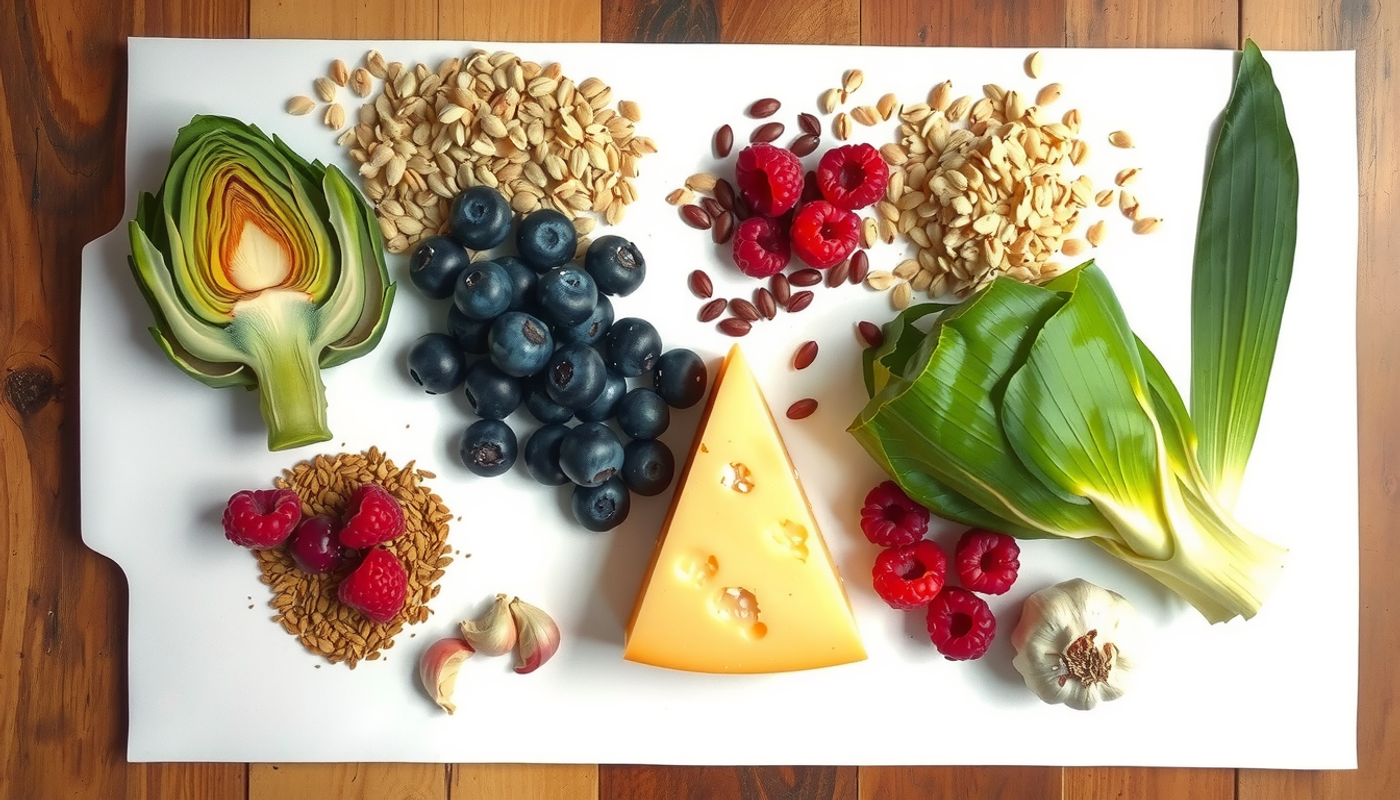
Fiber-rich foods like artichokes, leeks, oats, and legumes feed bacteria that produce cognition-supporting short-chain fatty acids. Fermented foods with live cultures (yogurt, kefir, kimchi, sauerkraut) increase microbial diversity. The PROMOTe clinical trial used 7.5 grams per day of inulin and fructo-oligosaccharides and found measurable memory improvement in adults over 60.