
Introduction
A medical student sits down for USMLE Step 1. She scored in the 90th percentile on every practice test. She slept seven hours. She ate breakfast. Within twenty minutes of the real exam, she cannot recall the mechanism of action of a drug she reviewed yesterday. Her mind has gone blank. Not because she forgot. Because her brain's stress system has chemically blocked the retrieval pathway [1].
This is not rare. Between 25 and 40 percent of students report clinically meaningful test anxiety [2]. Among medical students worldwide, a 2019 meta-analysis of 69 studies and 40,348 participants found the pooled prevalence of anxiety at 33.8 percent [3]. The psychology of high-stakes exams is not about weak nerves or poor preparation. It is about what happens when stress hormones flood the exact brain circuits that exams demand most. This article traces the science. It begins with a group of schoolchildren in New Orleans who unknowingly donated the first biomarker evidence of testing-day stress. It ends with interventions so simple they sound too good to be true. They are not.

The Cortisol Spike Nobody Expected
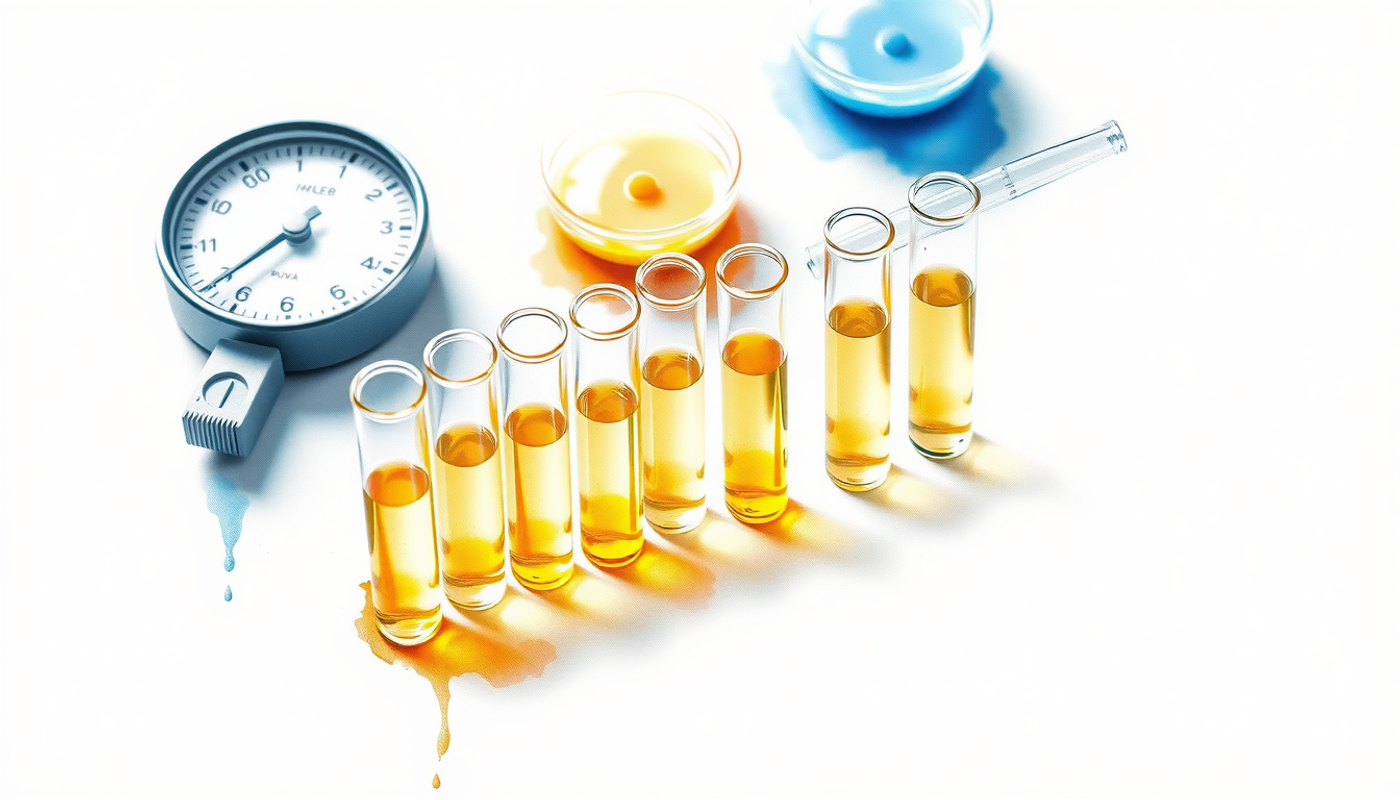
In the 2015-2016 school year, Jennifer Heissel and a team from Northwestern University collected something unusual from ninety-three students at three charter schools in New Orleans. Not test scores. Saliva.
They were measuring cortisol, the steroid hormone the adrenal glands produce when the brain perceives threat. Cortisol is slow compared to adrenaline. It takes twenty to thirty minutes to peak in the bloodstream. But once it arrives, it crosses the blood-brain barrier and binds to receptors concentrated in the hippocampus and the prefrontal cortex, the two structures most essential for memory retrieval and reasoning [4].
Heissel's team collected saliva at matched time points during regular school weeks and state-testing weeks. The results, published in Education Finance and Policy in 2021, showed cortisol levels roughly 15 percent higher during testing weeks [5]. For students already dealing with poverty or family instability, the spike climbed to 35 percent. The study used a within-subject design with 93 students in grades 3 through 8, collecting morning salivary cortisol across multiple days.
Here is the number that matters. A cortisol shift of more than 10 percent in either direction was associated with a 0.4 standard deviation drop in test scores. Translated to the SAT scale, that is roughly 80 points. Not because students knew less. Because cortisol impaired retrieval of what they already knew.
What does this mean? It means that for a substantial portion of test-takers, the score does not reflect knowledge. It reflects stress reactivity.
Three Circuits That Break Under Pressure
To understand why a well-prepared student blanks on material that felt solid the night before, follow three signaling systems through the brain.
The first is the HPA axis. The hypothalamic-pituitary-adrenal axis is the body's slow stress system. When the hypothalamus detects anticipated evaluation, it releases corticotropin-releasing hormone, triggering a cascade that ends with cortisol flooding the bloodstream. Cortisol binds to glucocorticoid and mineralocorticoid receptors that are densely expressed in two places: the hippocampus (the memory retrieval engine) and the prefrontal cortex (the executive reasoning center). The stress hormone lands precisely where the exam needs the brain to work hardest [4].
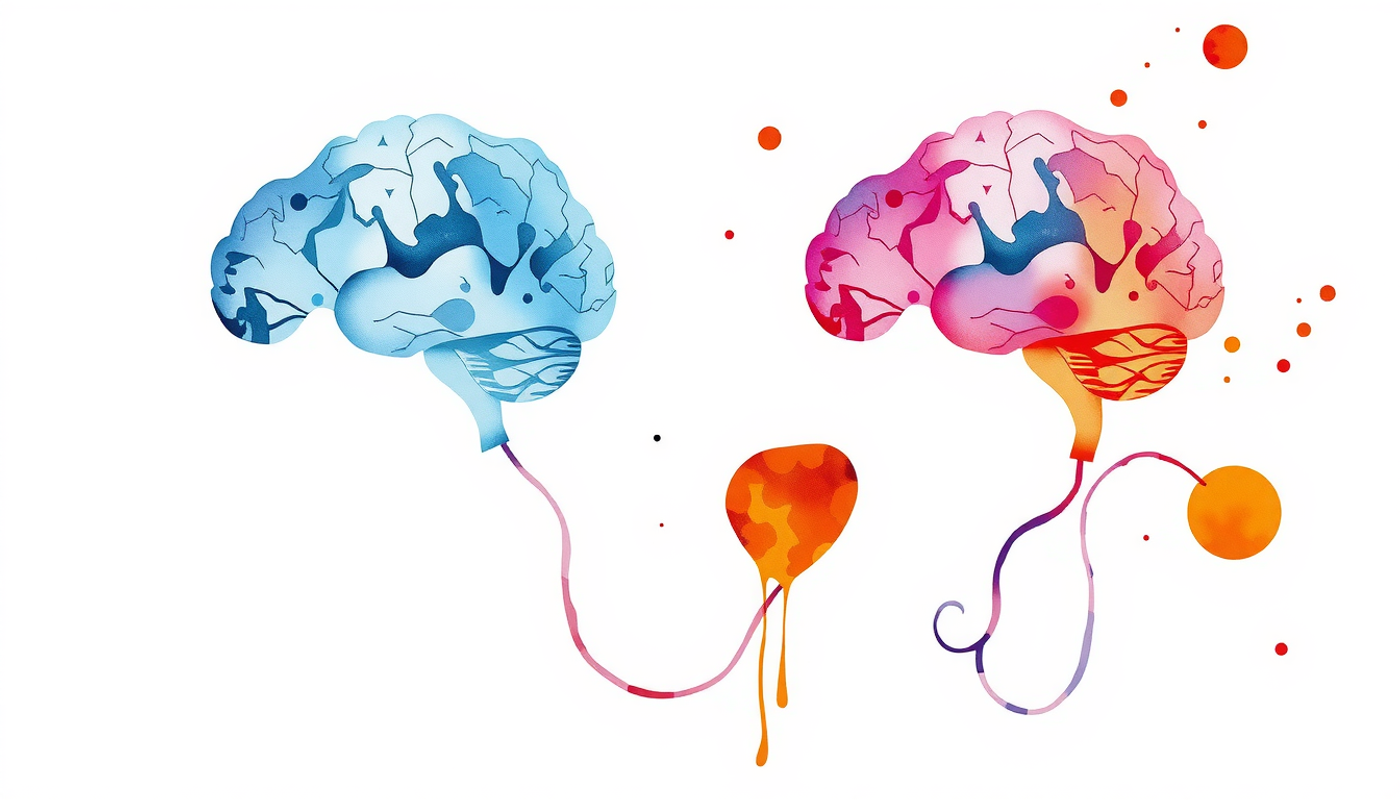
The second system fires faster. The locus coeruleus, a tiny brainstem nucleus, floods the cortex with norepinephrine within seconds of threat detection. At moderate doses, norepinephrine sharpens prefrontal function by acting on alpha-2A adrenergic receptors, improving the signal-to-noise ratio of neural firing [1]. This is the alert-and-focused state. But when stress becomes intense or uncontrollable, norepinephrine concentrations rise past a tipping point. They activate beta-1 adrenergic and D1 dopamine receptors, opening potassium channels that weaken the persistent firing of prefrontal neurons. Working memory collapses.
Amy Arnsten at Yale University traced this molecular sequence in two landmark papers. Her 2009 review in Nature Reviews Neuroscience and her 2015 paper in Nature Neuroscience described what happens when catecholamine levels exceed the prefrontal sweet spot [6]. The prefrontal cortex disconnects. Control shifts to the amygdala and striatum. Goal-directed reasoning gives way to reflexive, habit-based responses.
The third player is the amygdala itself. The basolateral amygdala learns fast. Previous exam failures, public humiliation, parental disappointment: all become conditioned stimuli. The amygdala can trigger the full stress cascade before the exam booklet opens [7].
Qin and colleagues confirmed this sequence in humans with fMRI in 2009. Psychosocial stress measurably reduced blood-oxygen-level-dependent signal in the dorsolateral prefrontal cortex during a working memory task. The size of the reduction tracked the size of the cortisol response [8]. The brain scans showed real neural dimming in the region that holds multi-step reasoning online.
What does this mean? If a student hits a question and suddenly cannot think, pushing harder makes it worse. The prefrontal cortex is chemically suppressed. Skip the item, take three slow breaths, and return. The chemistry needs seconds to shift, not effort.
When the Smartest Students Choke
In 2005, Sian Beilock and Thomas Carr at Michigan State University published one of the most counterintuitive findings in the test-anxiety literature [9].
They measured working memory capacity in college students, then had them solve math problems under low-pressure and high-pressure conditions. The high-pressure condition involved financial incentives, peer evaluation, and social accountability.
The result was uncomfortable. Performance drops under pressure occurred only in high-working-memory individuals. Only on the hardest problems. On easy problems, everybody held steady. On medium problems, the effect was small. But on items demanding multi-step reasoning, the students with the biggest cognitive advantage under no pressure lost that advantage entirely. Their scores fell to the level of low-working-memory peers.
The explanation is painfully logical. High-working-memory students rely on complex strategies that consume prefrontal bandwidth. Pressure introduces worry. Worry occupies working memory. The resource that made them exceptional is the same resource that anxiety commandeers. Beilock and DeCaro extended the finding in 2007 to fluid intelligence tasks with identical results [10].
This is why the top scorer on a USMLE practice exam can underperform on test day. Not from lack of preparation. From loss of the cognitive tool that preparation depended on. And the intervention is not more studying. It is anxiety management.
Worry Is the Weapon, Not the Heartbeat
The distinction that organizes the entire test-anxiety field was published in 1967 by Robert Liebert and Larry Morris [11]. They split test anxiety into two components. Worry: cognitive concern about performance and consequences. Emotionality: the perceived physical symptoms, racing heart, sweating, stomach tension.
Their finding was clean. Worry predicted poor performance. Emotionality did not.
Every major model since has pointed at the same target. Irwin Sarason reframed test anxiety as cognitive interference in 1984: anxious test-takers devote attention to self-evaluative thoughts ("Everyone else is faster," "If I fail this I will never match") that starve the task of processing bandwidth [12].
Jerrell Cassady and Ronald Johnson operationalized the cognitive dimension in 2002 with the Cognitive Test Anxiety Scale, a 27-item instrument tested on 168 undergraduates. Higher cognitive test anxiety predicted significantly lower scores across three course examinations [13]. Subsequent research established severity cut-points: CTAS scores of 24-43 mark low anxiety, 44-66 moderate, 67 and above severe. Pate and colleagues found in 2021 that 31.8 percent of American pharmacy students with high cognitive test anxiety failed their licensing exam on the first attempt.
Michael Eysenck's Attentional Control Theory, published with Derakshan, Santos and Calvo in 2007, made the working-memory cost of worry explicit [7]. Anxiety impairs two specific executive functions: inhibition (suppressing irrelevant information) and shifting (reallocating attention). Anxious test-takers sometimes compensate by working harder, which preserves performance on easy items. But on items demanding executive resources already depleted by worry, compensation fails.
The practical point is sharp. The pounding heart before an exam is not the problem. The thoughts about what the pounding heart means are.
The Body on Exam Morning
Heart rate variability (HRV), the beat-to-beat variation in cardiac rhythm, provides a non-invasive window into how flexibly the autonomic nervous system responds to stress. Higher HRV generally signals stronger vagal tone and greater capacity to regulate stress.
In a study of ninety Lebanese university students using continuous ECG monitoring before, during, and after a final examination, resting heart rate before the exam averaged 110.9 beats per minute, well above normal [14]. HRV hit its lowest point during the exam and recovered only after it ended.
A separate study of 97 Korean medical students found that higher resting HRV (SDNN) correlated positively with written exam scores (r = 0.245, p = 0.016). The HRV-derived stress index correlated even more strongly (r = 0.381, p = 0.004) [15]. Students with more flexible autonomic systems scored higher on cognitively demanding exams.
Sleep tells the other half of the body's story. A three-month longitudinal study of eighty Indian first-year medical students tracked average sleep duration declining from 6.8 to 5.9 hours as exams approached, with simultaneous declines in reaction time, digit span, and Stroop performance [16]. Sleep emerged as an independent predictor of academic performance (beta = +2.78, p = 0.003).
Ahrberg and colleagues at the University of Erlangen-Nuremberg studied 144 German medical students using the Pittsburgh Sleep Quality Index and found that 59 percent had clinically significant sleep disturbance during exam preparation, compared to 29 percent during regular semesters and only 8 percent after exams [17]. The key finding: it was not the chronic poor sleepers who underperformed. It was students whose sleep quality deteriorated specifically under pre-exam stress. The science of how sleep consolidates memory shows that even one disrupted night before an exam can unravel weeks of preparation.
What does this mean? Sleep is a primary study tool, not a reward for finishing study. Any test-taker sleeping less than six hours nightly during dedicated preparation has a physiological problem that no amount of content review will fix.
The USMLE Changed Its Scoring. The Anxiety Stayed.
The United States Medical Licensing Examination is one of the most consequential tests in professional education. For decades, Step 1 produced a three-digit score that became the primary filter for residency applications. The psychological cost was staggering.
Quek and colleagues' meta-analysis estimated global anxiety prevalence among medical students at 33.8 percent (95% CI: 29.2-38.7%) [3]. The gender gap is persistent. In a 2024 survey of 102 Drexel University medical students preparing for Step 1, women reported anxiety at 83 percent compared to 50 percent in men. Overall, 75 percent reported inadequate sleep quality, 68 percent reported clinically relevant anxiety, and two thirds felt their commitment to medical education exceeded what was reasonable for their own well-being [18].
When Step 1 switched to pass/fail in January 2022, the explicit goal was psychological relief. The early evidence suggests a different outcome. AlDoori, Zaki and Joshi found that anxiety, sleep disruption, and burnout did not decrease. They shifted to Step 2 CK, which became the new differentiator for residency applications.
This is pressure displacement. Remove the high-stakes label from one exam and the pressure concentrates on the next exam in the sequence. The psychological mechanisms (working memory depletion, cortisol dysregulation, sleep collapse) do not care which exam carries the highest perceived consequence. They respond to perceived stakes, not exam labels.
Ten Minutes That Change the Score
In 2011, Gerardo Ramirez and Sian Beilock published a study in Science that should be required reading for anyone facing a high-stakes exam [19].
The design was simple. Students about to take a high-pressure math exam were randomly assigned to either sit quietly for ten minutes or spend ten minutes writing freely about their worries. What scared them. What could go wrong. How they felt about the consequences. No editing. No structure. Just dumping their fears onto paper.
Among high-anxiety students, the writing group scored significantly higher. Low-anxiety students performed well regardless. Two laboratory experiments and two randomized field experiments replicated the finding.
The mechanism is elegant. Worry occupies working memory. Writing transfers the worry from internal cognitive workspace to an external medium: the page. With the worry offloaded, working memory is freed for the actual exam.
A second line of evidence comes from Jeremy Jamieson's arousal reappraisal work. In a 2016 study, his team randomized ninety-three community-college developmental-math students across five semesters [20]. The treatment was a brief written statement explaining that the physical feelings before a test (racing heart, sweaty palms) are not signs of impending failure but adaptive responses that mobilize energy and sharpen focus. The control group received no such framing.
The reappraisal group reported lower evaluation anxiety and scored significantly higher. Effect size: Cohen's d = 0.53. A 2024 meta-analysis of 44 effect sizes in Scientific Reports confirmed reliable benefits of arousal reappraisal across multiple studies and populations [21].
Alison Wood Brooks at Harvard Business School added a striking twist in 2014 [22]. In three experiments (with a total of 365 participants across karaoke, public speaking, and math tasks), she showed that saying "I am excited" before a stressful task produced better performance than saying "I am calm." Karaoke singers hit 81 percent accuracy after saying "I am excited" versus 53 percent after "I am calm." The reason is physiological: anxiety and excitement are both high-arousal states. Relabeling from one to the other requires only a cognitive shift. Relabeling from anxiety to calm demands suppressing the arousal itself, which usually fails and often backfires.
What does this mean for test-takers? Three specific actions. First: ten minutes before the exam, write down every worry about the test. Not about the content. About the fear. Second: when the heart starts pounding, say "this is excitement, my body is getting ready" instead of trying to relax. Third: do not attempt to calm down. Trying to force calm when the sympathetic nervous system is fully activated widens the gap between felt state and desired state, which amplifies distress.
Thirteen Centuries of Examination Pressure
The psychology of high-stakes exams is not a modern phenomenon. It predates universities.
The Chinese imperial examination system, called keju, operated for approximately 1,300 years, from the Sui dynasty in 581 CE to its abolition in 1905 [23]. Candidates took tests at four levels (county, provincial, metropolitan, palace) under extreme conditions. They were sealed in individual wooden cells for up to three days. Food was brought in. Sleep happened on the writing desk. Documented cases of mental breakdowns and suicides during testing were common enough to generate a folklore tradition of "examination ghosts," the spirits of candidates who died during the ordeal [24].
The cultural descendants of keju are alive and growing. Japan's juken jigoku ("examination hell"). South Korea's suneung, where airlines reroute flights during the English listening section. China's gaokao, which registered a record 13.42 million candidates in 2024 [25]. Cross-cultural research by Cassady, Mohammed and Mathieu (2004) consistently finds higher mean test anxiety in collectivist, exam-centric educational systems [26]. But the cognitive mechanisms are identical across cultures. Worry depletes working memory in Beijing and Boston the same way.
The meritocratic logic that produced keju is the same logic that produced the SAT, the MCAT, the bar exam, and the USMLE. The neurobiology is the same too. What varies is the cultural weight attached to failure.
What the Dancing Mice Actually Proved
Nearly every popular discussion of test anxiety invokes the Yerkes-Dodson law: the inverted-U curve linking arousal to performance. Moderate arousal is best. Too little and performance drops from boredom. Too much and it drops from anxiety.
The original 1908 data came from mice learning to discriminate brightness under electric shock [27]. Yerkes and Dodson tested two to four mice per condition. They did not measure arousal. They measured shock intensity. The "law" credited to them was largely a 1950s narrative reconstruction imposed on thin data (Teigen, 1994, Theory and Psychology).
Modern neuroscience supports a curvilinear relationship between catecholaminergic arousal and prefrontal performance. Sander Nieuwenhuis clarified the picture in a 2024 spotlight piece in Trends in Cognitive Sciences [28]. Building on the Aston-Jones and Cohen (2005) locus coeruleus model, Nieuwenhuis showed that an optimal arousal zone exists, but it is task-specific, person-specific, and dynamic. It is mediated by the same receptor profiles Arnsten described. Alpha-2A receptors at moderate arousal enhance performance. Beta-1 receptors at high arousal suppress it.
The practical lesson for test-takers: "stay moderately aroused" is too vague to act on. The useful version is: if your sympathetic activation has risen past the point where you can hold a multi-step reasoning chain in mind, you have crossed your personal threshold. Skip the question, exhale slowly for six seconds, and return when the chemistry has shifted.
The Evidence Has Edges
The research described in this article is not uniform in quality. Honest reporting requires noting where the evidence is strong and where it thins.
The cortisol-performance association from Heissel et al. (2021) is drawn from 93 mostly low-income Black students in New Orleans charter schools taking Louisiana state tests. The SAT equivalence (80 points) is an effect-size translation, not a direct SAT measurement. The sample is not nationally representative. Cortisol effects also vary with sex, menstrual cycle phase, time of day, and whether stress occurs during encoding or retrieval [4].
The Yerkes-Dodson "law" is empirically thinner than its fame suggests. The original 1908 mouse data involved very small samples and did not actually measure arousal. The inverted-U is better understood as a heuristic for catecholaminergic prefrontal function than as a quantitative rule.
Effect sizes for brief interventions like expressive writing and arousal reappraisal are moderate, not transformative. The 2024 Scientific Reports meta-analysis of reappraisal interventions found effects in the small-to-moderate range [21]. These tools help. They are not magic.
The stereotype threat literature has faced replication challenges. Several large registered replications found smaller effects than the original studies [29], [30]. The core finding that identity-based worry can consume working memory remains plausible, but its real-world magnitude in actual high-stakes testing contexts is debated.
The USMLE pass/fail evidence is preliminary. Longer-term cohort data are needed to determine whether anxiety truly shifted to Step 2 CK or whether students adapt over time.
None of the individual-level interventions discussed here address the structural drivers of exam stress: the use of single-occasion testing as a primary gatekeeper to professional opportunity, the compression of clinical reasoning into multiple-choice formats, and the cultural framing of test scores as identity. Those are policy questions, not psychology questions.
The Brain Is Not a Fixed Instrument
The evidence reviewed here converges on a conclusion that should change how every student, every medical school, and every licensing board thinks about examination performance.
The brain on test day is not a fixed measuring device. It is a dynamic system whose output depends on hormones, sleep quality, autonomic flexibility, and cognitive appraisal of the situation. Two students with identical knowledge can produce different scores purely as a function of their stress biology. This is not a theoretical concern. The cortisol data, the HRV data, the working-memory-depletion data, and the choking-under-pressure data all point in the same direction.
But the same plasticity that makes the brain vulnerable also makes it modifiable. Expressive writing costs nothing and takes ten minutes. Arousal reappraisal requires one sentence. Slow-exhale breathing requires no equipment and no training beyond knowing the ratio. Retrieval practice through spaced repetition builds stress-resistant memory traces as a side effect of the study method itself. Smith, Floerke and Thomas showed in 2016 in Science that material learned through retrieval practice resists stress-induced forgetting better than material learned through restudy [31].
Hembree's 1988 meta-analysis of 562 studies, the largest synthesis of the test-anxiety literature ever conducted, found a mean correlation of r = -0.18 between test anxiety and cognitive performance [2]. That number has been replicated for nearly four decades. It represents millions of lost points, missed opportunities, and wrong conclusions about who is capable and who is not.
The most reliable advantage in a high-stakes exam is not knowing one more fact. It is understanding how the brain works under pressure and using that knowledge before pressure arrives. The tools exist. They are free. The question is whether the people who need them most will learn they exist before they sit down for the test that matters.

Frequently Asked Questions
What is the main cause of test anxiety?
Test anxiety is primarily driven by cognitive worry, not physical symptoms. Research since Liebert and Morris (1967) shows that intrusive thoughts about consequences and self-evaluation occupy working memory, reducing cognitive resources available for the exam. Physical symptoms like racing heart contribute less to performance loss than thoughts about those symptoms.
Can test anxiety actually lower exam scores?
Yes. A 2021 study by Heissel and colleagues found that cortisol shifts of more than 10 percent on test day were associated with a 0.4 standard deviation drop in scores, equivalent to roughly 80 SAT points. The effect operates through cortisol impairing hippocampal retrieval and norepinephrine suppressing prefrontal working memory function.
Does the expressive writing technique really work before exams?
A 2011 study published in Science by Ramirez and Beilock showed that ten minutes of free writing about exam-related worries significantly improved scores for high-anxiety students. The mechanism is working memory offloading: transferring worry from internal cognitive workspace to paper frees bandwidth for the exam.
Why do top students sometimes perform worse under pressure?
Beilock and Carr (2005) showed that pressure selectively impairs high-working-memory individuals on the hardest problems. These students depend on complex strategies requiring prefrontal bandwidth. Anxiety-driven worry consumes that bandwidth, eliminating the cognitive advantage they normally hold over lower-capacity peers.
Is trying to calm down before an exam effective?
Research by Brooks (2014) suggests trying to calm down often backfires because it requires suppressing physiological arousal already activated. Reappraising the arousal as excitement ("I am excited" rather than "I am calm") produced significantly better performance across three experiments because it matches the body's existing high-arousal state rather than fighting it.


